Industrial Decarbonization
Singapore Airlines Buys 4,800 Tonnes of Waste-Carbon SAF from Aether
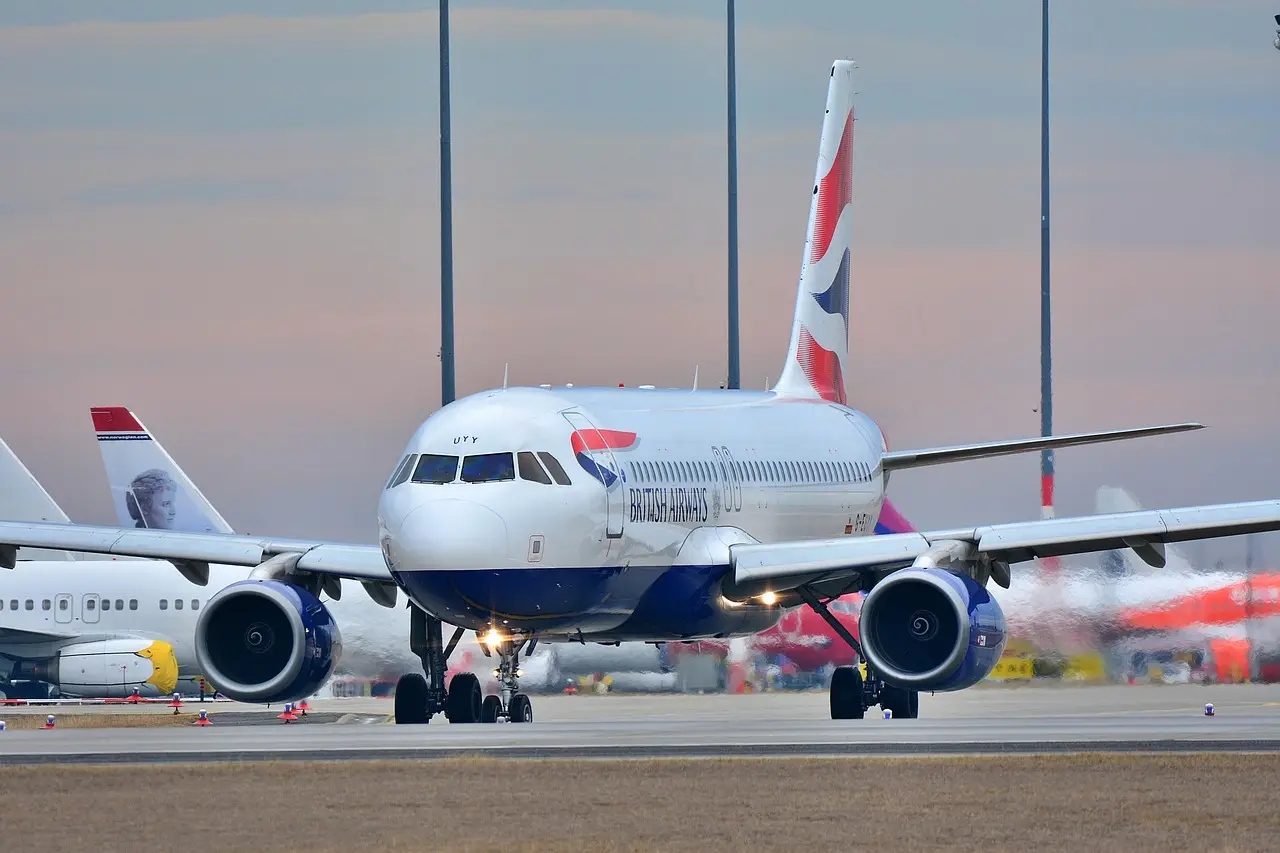
Singapore Airlines will buy up to 4,800 tonnes of SAF from Aether Fuels' Project Beacon at Pulau Bukom, its first purchase of waste-carbon pathway jet fuel.
Waypoints
Singapore Airlines will purchase up to 4,800 tonnes of SAF over three years, with deliveries starting in 2028.
The SAF will be produced at Project Beacon, Aether Fuels' planned commercial facility at Aster's refining complex on Pulau Bukom, Singapore.
The plant converts biomethane and industrial waste gases into SAF, an alternative to the lipid-based HEFA pathway.
Aether Fuels was founded in 2022; the binding agreement follows an MOU signed the previous year.
The deal supports SIA's net zero carbon emissions target for 2050.
Singapore Airlines has signed a binding agreement to purchase up to 4,800 tonnes of sustainable aviation fuel over three years, with deliveries starting in 2028. The fuel will come from a production pathway that has never before supplied the carrier: SAF synthesized from waste carbon rather than lipid-based feedstocks.
The offtake anchors Project Beacon, the planned commercial facility of Singapore-based Aether Fuels at energy and chemicals company Aster's refining complex on Pulau Bukom. The plant will convert biomethane and industrial waste gases into aviation fuel, offering an alternative to the hydroprocessed esters and fatty acids (HEFA) pathway that dominates today's SAF supply and depends on finite lipid feedstocks such as used cooking oil and animal fats.
Aether, founded in 2022, develops technology to produce sustainable liquid fuels for aviation and maritime customers. Its process accepts any feedstock that can be converted to CO, CO2, CH4 or hydrogen — captured carbon dioxide, industrial waste gases, biogas, gasified municipal solid waste and waste biomass among them.
What does the agreement change?
For Singapore Airlines, the deal marks two firsts. It is the first airline to commit to SAF from Project Beacon, and it is the carrier's first purchase of fuel made with technology that converts waste carbon feedstocks into jet fuel. The airline said the purchase supports its effort to build new lower-carbon fuel production capability.
For Aether, the contract converts a memorandum of understanding signed last year into committed demand, before the facility has produced a litre of commercial fuel. Conor Madigan, co-founder and CEO of Aether Fuels, framed the deal in exactly those terms.
"When we signed our MOU with Singapore Airlines last year, Project Beacon had not yet been announced. Since then, we have selected Singapore as the home of our first commercial facility and built critical partnerships across the local value chain… This binding agreement is an important next step and a strong signal of committed demand from a leading global airline – exactly the type of collaboration needed to create the commercial conditions to bring new SAF pathways to scale."
A deadline-driven decarbonization commitment
The purchase sits inside Singapore Airlines' stated ambition of net zero carbon emissions by 2050. Lee Wen Fen, Chief Sustainability Officer at Singapore Airlines, tied the offtake directly to that target.
"Supporting the development and adoption of SAF, and securing future supplies, are integral to SIA's ambition of achieving net zero carbon emissions by 2050. As the first airline to purchase SAF from Project Beacon, SIA is demonstrating demand for new lower-carbon fuel production pathways in Singapore."
The scale deserves context. At up to 4,800 tonnes over three years, the volumes remain modest against an airline fuel bill measured in millions of tonnes annually. The significance lies less in tonnage than in pathway de-risking: a binding airline commitment gives a first-of-a-kind facility a demand anchor that project financiers and feedstock partners can underwrite.
What happens next
The milestone that decides the story's outcome is Project Beacon's construction and commissioning timeline. Aether must move from a selected site at Aster's Pulau Bukom complex to a operating plant delivering spec-compliant SAF in 2028. Until then, the agreement remains a forward purchase against announced — not built — capacity, and Singapore Airlines' waste-carbon SAF supply stays a 2050 commitment on paper rather than fuel in the tank.
via ESG Today (Source)
More from Grace Kim
Show full bio
Market editor covering money, funding and market shifts around Circular economy and the environmental industry at Circular Wire.
499 articles