Waste Management Business
Small Hauler Snappy Dumpster Bets on Charlotte's C&D Boom
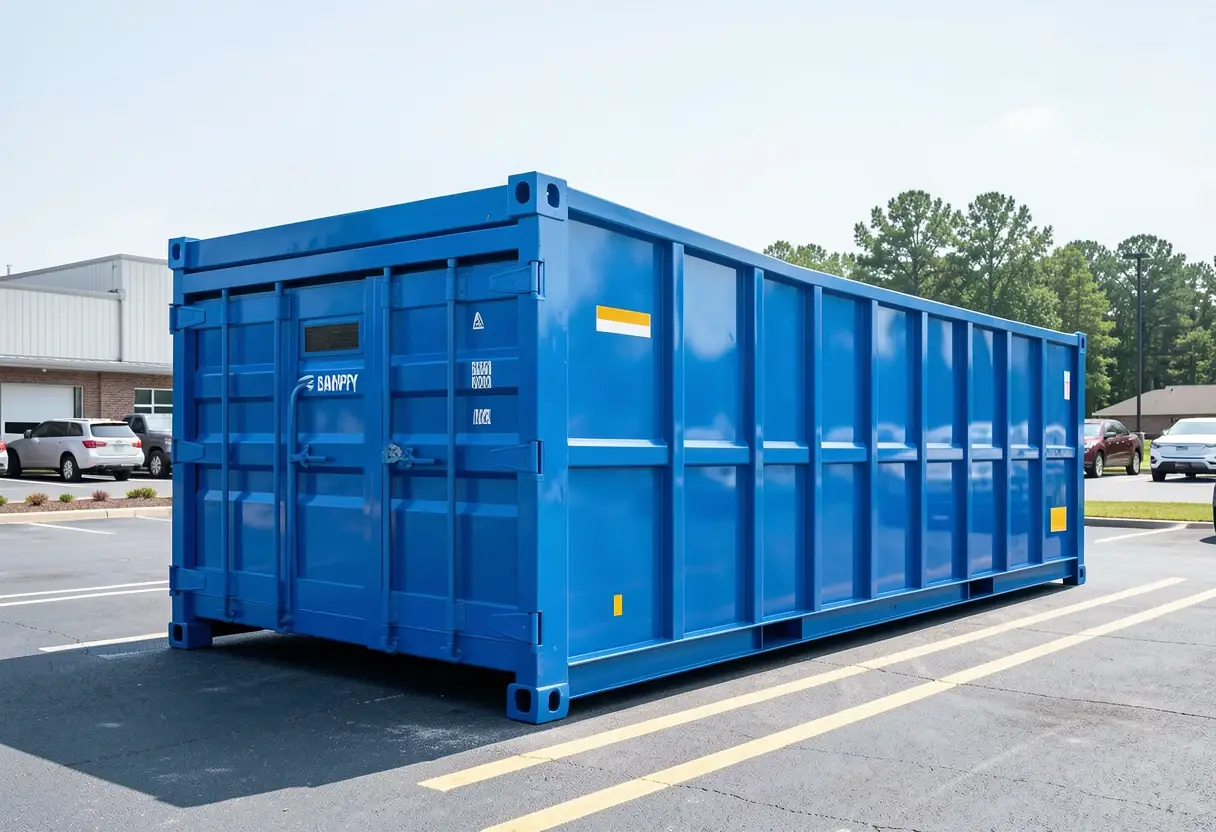
Snappy Dumpster founder Ian Olmsted built a Charlotte-area C&D hauling business as a side operation, then acquired a fellow small hauler to scale.
Waypoints
Snappy Dumpster operates in the Charlotte, North Carolina metro area
Founder Ian Olmsted started the hauling business as a side venture while holding an office job
The company acquired a fellow small hauler as part of its growth
The Charlotte metro C&D market is characterized as booming and competitive
Snappy Dumpster, a small construction and demolition (C&D) hauler operating in the Charlotte, North Carolina metro area, grew out of a side business its owner ran while still holding a day-job office position — a path founder Ian Olmsted says taught him lessons about scaling in one of the country's hotter C&D markets.
The Charlotte metro is booming, and C&D debris follows construction activity. For small haulers, that should mean easy growth. Olmsted's experience suggests the reality is more textured: the company has had to learn how to acquire competitors, defend a lane against larger players, and manage capacity while demand runs hot.
How do you build a hauling outfit from scratch?
Olmsted started hauling as a side business while working an office job. That constraint shaped how the company operates: growth came incrementally, with revenue reinvested rather than leveraged, and the operation had to prove itself before Olmsted committed full-time.
The side-business origin matters for practitioners watching the C&D segment. It's a common entry path into hauling — low barriers at the small end, a truck and a few containers — but the jump from side hustle to standalone company is where most operators stall. Olmsted made that jump, and the company now competes directly in the Charlotte metro as a full-time operation.
What did acquiring another hauler change?
Snappy Dumpster acquired a fellow small hauler, a move Olmsted cites as a defining step in the company's development. For operators weighing the same decision, his account underscores the standard trade-offs:
- Acquisition buys route density and existing customer relationships faster than organic sales.
- Integrating a small hauler means absorbing its containers, accounts and reputation — assets that don't show up on a balance sheet.
- The seller's customers only stay if service doesn't slip during the handover.
In a fragmented market like Charlotte-area C&D hauling, consolidation at the small end is the mechanism by which regional players get built. Every acquired route shifts the competitive map.
How tough is competition in the Charlotte metro?
Charlotte's construction boom has pulled in national and regional haulers alongside locally rooted independents. Olmsted competes against that field from the small-hauler position — which means competing on service responsiveness and local knowledge rather than price alone or network scale.
He frames the lessons from that competition as central to what Snappy Dumpster has become: the company learned to hold its lane by staying close to contractors and adapting quickly, the advantages a small operator can actually deliver.
For readers running similar operations, the takeaway is straightforward. In a hot C&D market, the volume exists for small haulers — but the window narrows as larger players consolidate. Acquisitions like the one Snappy Dumpster made are both a growth lever and, for sellers, an exit.
What comes next?
Olmsted's account is a snapshot of a market still consolidating. Watch Charlotte's C&D stream as construction activity continues: if small-hauler acquisitions keep coming, the metro's hauling map — and the pricing power of the independents left standing — will shift with them.
via Waste Dive (Source)
More from Elena Vasquez
Show full bio
Senior reporter covering technology and product news in Circular economy and the environmental industry at Circular Wire.
388 articles