Recycling Industry
Solar Panel Recycling Opens Fifth US Plant, Lifting Capacity to 6.5 Million Panels
SPR's fifth plant in Porterville, California lifts US capacity to 6.5 million panels per year, with startup set for February under the state's strict universal waste rules.
Waypoints
SPR's fifth facility in Porterville, California brings total US capacity to 6.5 million panels per year.
The 42,000-sq-ft plant starts at 1 million panels annually, with capacity expected to triple within two years.
Processing is slated to begin by February.
SPR's process recovers at least 95% of aluminum, glass, silver and other elements.
US solar waste is projected to reach 1 million tons by 2030 as first-generation panels retire.
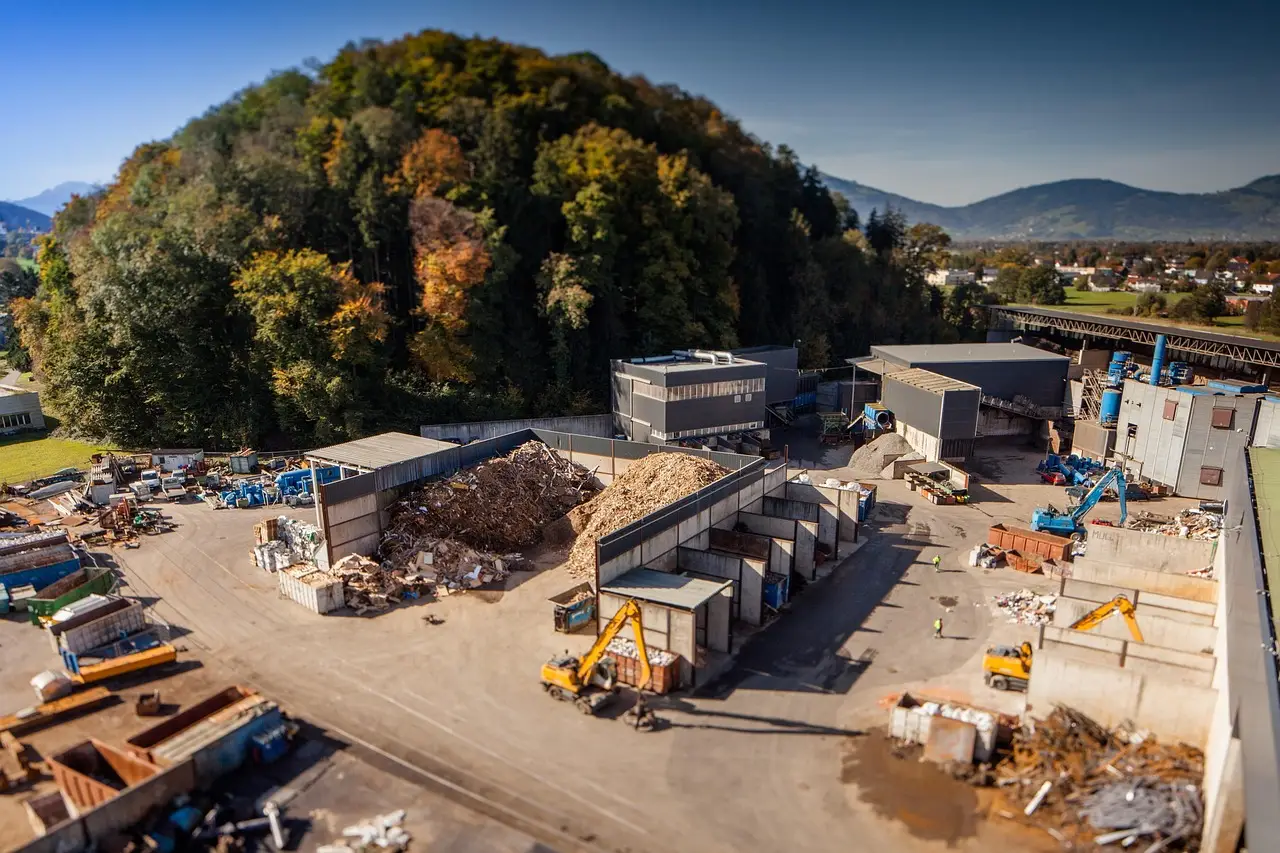
Solar Panel Recycling (SPR) has taken ownership of its fifth US facility, a 42,000-square-foot plant in Porterville, California, that will push the company's total national capacity to 6.5 million panels per year once fully operational.
CEO and co-founder Brett Henderson said the Porterville site joins four operating facilities in North Carolina, Texas and Georgia, giving the utility-scale recycler coast-to-coast reach for the first time. Retrofit work is under way, with processing expected to begin by February.
The plant will start at 1 million panels per year. Henderson said SPR should be able to triple that capacity within two years.
The math is straightforward. Five sites, national coverage, and a feedstock curve that only points upward.
Why California, and why now?
Henderson said the Central Valley location shortens transportation distances, cutting emissions and costs, while positioning SPR near dense solar deployment in one of the country's sunniest regions.
"Central California is a natural fit due to our client base and a higher density of solar installations in a two- to four-county area than anywhere in the world," he said.
The feedstock pipeline is concrete. California's Central Valley is set to host the largest solar farm in the nation as companies convert farmland in the water-depleted region to solar generation.
The regulatory environment is equally deliberate. California requires end-of-life panels that qualify as hazardous waste to be managed under its universal waste regulations, which impose specific handling, tracking and treatment provisions. Henderson framed operating under some of the nation's strictest recycling rules as consistent with SPR's mission to "set the bar high and stay at that bar" on sustainability.
What does the incoming waste wave look like?
The first generation of installed panels is reaching end of life. Panels generally last 25 to 30 years, and EPA projections cited by the company put US solar waste at 1 million tons by the end of the decade.
Henderson argued the sector still has time to build capacity ahead of the influx, rather than behind it.
"Solar industry, when it pertains to end of life, has the opportunity to be proactive," he said. "We don't have to wait to not have infrastructure set up … it really can be a success story, setting up infrastructure proactively."
How does the process work?
SPR uses clean commodity separation technology that recovers each element, including glass, in a distinct stream. The process recovers at least 95% of the aluminum, glass, silver and other elements, which are refined and sold to US manufacturers for reuse.
The company avoids thermal technology that burns off plastic and other potentially hazardous steps. Henderson said that choice makes SPR well suited to operate in jurisdictions still sorting out panel recycling legislation — New Jersey's rules, for instance, face ongoing legal review.
High recovery rates without combustion are a compliance asset as much as a marketing one.
Where next?
Henderson said SPR will not stop at five plants. The company is already discussing its next target location, and while he declined to share specifics, he pointed to the Northeast and its relatively robust solar farm buildout as a candidate.
SPR has both retrofitted existing buildings and built new facilities, choosing between the two based on local infrastructure and permitting. Site selection tracks large decommissioning or installation projects; Henderson noted that panels damaged during buildouts supply a surprisingly high feedstock volume.
The company has worked with clients in Canada and the European Union but is not pursuing international expansion at the moment. SPR's parent company is PowerHouse Recycling.
"We will move to where the right project presents itself," Henderson said. "There is a lot of rapid development in all states."
The near-term milestone is Porterville: processing by February, 1 million panels a year at start-up, and a national footprint of 6.5 million panels once the plant is fully operational.
via resource-recycling.com (Source)
More from Olivia Hart
Show full bio
Staff writer covering regulation, policy and their impact on Circular economy and the environmental industry at Circular Wire.
509 articles