Circular Economy
Somalia's first Circular Economy Forum tests waste value
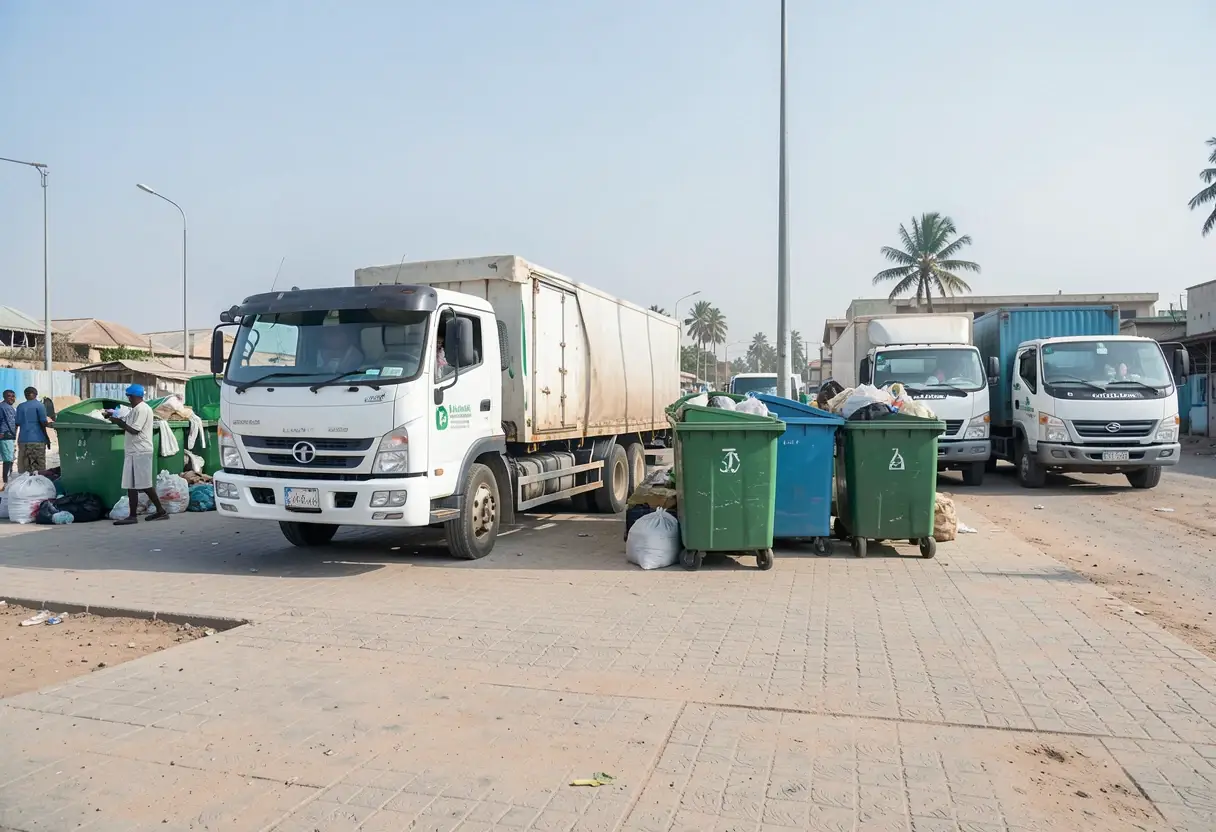
Somalia’s first Circular Economy Forum in Mogadishu framed more than 2,000 tonnes of daily city waste as a resource for recycling, jobs, investment and local production.
Waypoints
Somali cities generate more than 2,000 tonnes of waste per day.
The cited World Bank study estimates waste generation at approximately 0.5 kg per person per day.
Horn Thrive Hub organized Somalia’s first Circular Economy Forum in Mogadishu.
The Wednesday forum was reported under a Nov. 5, 2026 dateline.
No investment amount, plant capacity, commodity price or permit deadline was disclosed.
By Olivia Hart
Somalia’s cities generate more than 2,000 tonnes of waste a day, according to a World Bank study cited in material presented with the report. The same study estimates that each person produces approximately 0.5 kilograms per day, defining both the disposal burden and the scale of the resource pool.
That operating figure supplied the premise for a Wednesday meeting in Mogadishu, reported under a November 5, 2026 dateline. Horn Thrive Hub organized what it described as Somalia’s first Circular Economy Forum, bringing together environmental stakeholders, business leaders and international experts, including experts from Kenya.
What did the forum put on the table?
Horn Thrive Hub set the theme as “Turning Waste into Resources and Economic Opportunities.” The agenda focused on reducing waste, promoting reuse and strengthening recycling initiatives in Somalia’s cities. Its central message challenged the familiar sequence of producing, consuming and disposing, and proposed continuous material use through recycling, reuse and resource recovery.
The economic discussion began with employment, particularly opportunities for young people. Participants considered how a growing urban waste stream could support businesses across several stages:
- Waste collection
- Sorting
- Processing
- Recycling
- Production of reusable materials
Organizers said a stronger recycling industry could create employment, encourage entrepreneurship, attract private investment and support locally manufactured products. These were potential outcomes rather than announced commitments. The forum did not disclose an investment amount, plant capacity, collection target or commodity price per tonne.
In plain terms, the forum mapped a route from waste to work, but it did not yet map a financed route to a plant.
Where does the economic case come from?\n
More than 2,000 tonnes a day gives Somali cities a large, recurring flow of discarded material. The per-person figure of roughly 0.5 kilograms makes the same point at household level: waste generation accompanies everyday consumption and does not wait for a national collection campaign before it becomes a business problem.
The forum’s proposition was to recover value before disposal, using collection and sorting to separate useful materials for further processing. Reuse and resource recovery would then support production of reusable materials, while local manufacturing could absorb recovered material.
That chain depends on participation across the waste sector rather than on a single recycling machine. A gap at collection, sorting or processing can leave material outside the intended loop.
Scale alone does not settle the commercial case. The meeting did not name a recovered commodity, set a price per tonne, disclose processing yields or secure buyer agreements for any waste stream. Nor did it report which city collection routes or processing facilities operate today. The daily tonnage establishes volume, not revenue or operating capacity.
In plain terms, tonnage shows the size of the prize; it does not show the price of the product.
What has to happen next?\n
No plant, municipal service contract, procurement award, permit deadline or capital commitment was announced at the forum. The event therefore added an organizing platform and a set of possible business lines, but no built recycling capacity. That distinction is particularly important where waste volumes are growing with cities and where the proposed social benefit depends on formal jobs.
The next market milestone is a costed collection, sorting and processing plan with stated service coverage, plant throughput, capital requirements, recovered output and buyer commitments.
Horn Thrive Hub and participating companies would also need employment targets and dates against which to measure the promise made to young workers. A dated public implementation framework would help convert those commercial assumptions into an enforceable program.
Any eventual project must still establish its applicable Somali permit status, municipal approvals and offtake terms; the forum did not address those requirements. Until those documents and contracts exist, the 2,000-tonne daily flow remains a measured opportunity rather than a bankable circular system.
The test is simple: publish the plan, secure the buyers and clear the approvals. Until then, the forum has supplied an agenda, not an operating asset.
via Google News: Circular economy business (Source)
More from Olivia Hart
Show full bio
Staff writer covering regulation, policy and their impact on Circular economy and the environmental industry at Circular Wire.
471 articles