Plastics & Chemical Recycling
TotalEnergies acquires Grandpuits plastic recycling facility
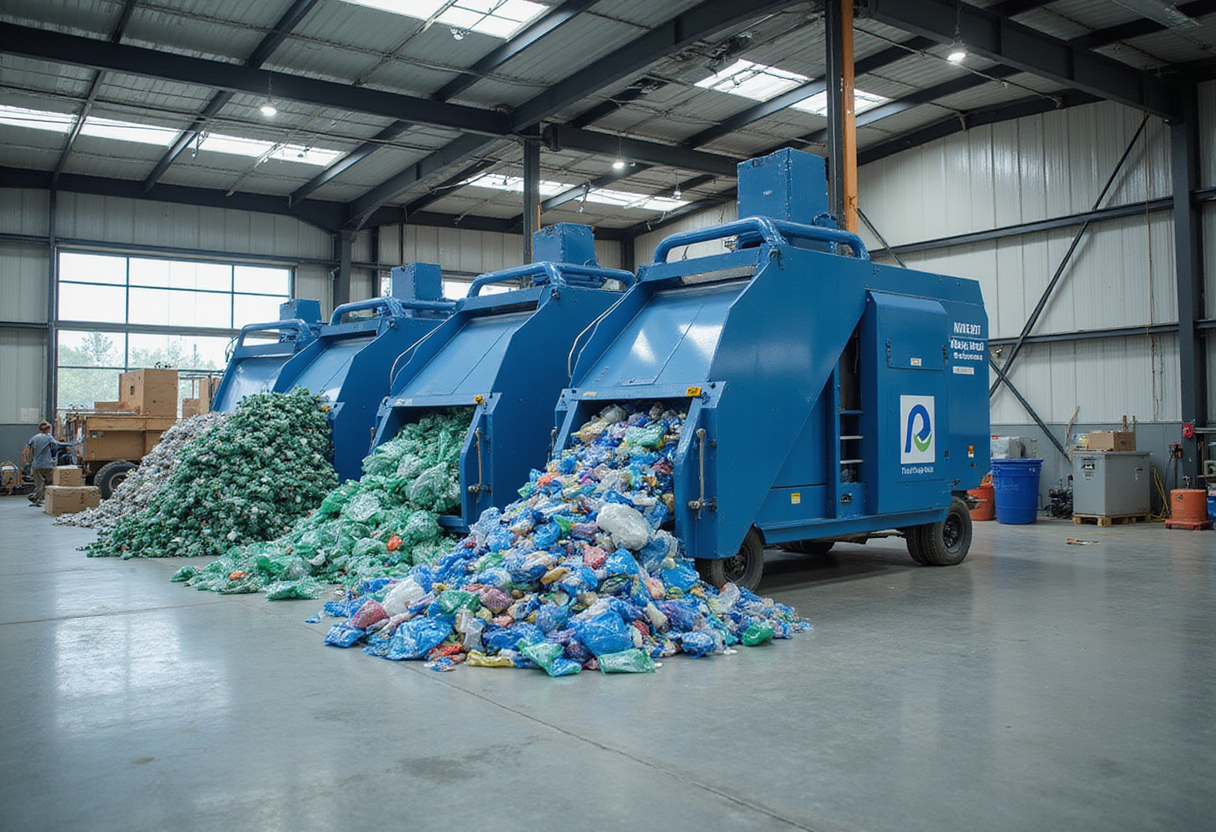
TotalEnergies has acquired the Grandpuits plastic recycling facility, Energy Digital reports. The headline-level announcement does not specify transaction value, nameplate capacity, technology, or timeline.
Waypoints
TotalEnergies has acquired the Grandpuits plastic recycling facility, per Energy Digital.
Source headline does not disclose transaction value, nameplate capacity, or commissioning timeline.
Reporting does not specify whether the acquired line runs mechanical recycling, advanced recycling, or both.
No prior operating structure — joint venture, subsidiary, or third-party operator — is identified in the headline.
Acquisition adds polymer reclamation throughput to TotalEnergies' downstream chemicals operations.
TotalEnergies has acquired the Grandpuits plastic recycling facility, Energy Digital reports. The announcement transfers ownership of a polymer reclamation asset to the integrated energy major, adding recycling throughput to TotalEnergies' downstream chemicals operations.
The source reporting does not disclose transaction value, nameplate capacity, or commissioning timeline. Energy Digital's headline does not specify whether the acquired line runs mechanical recycling, advanced (chemical) recycling, or both process types. The prior operating structure at the site — joint venture, subsidiary, or third-party operator — is not identified in the headline.
What does the deal change at the asset level?
Bringing the Grandpuits recycling line under direct TotalEnergies ownership consolidates corporate control over polymer reclamation throughput. Decision-making on feedstock procurement, offtake contracting, and capex scheduling moves to a single corporate counterparty, removing whatever layered governance applied under the prior arrangement.
The move gives TotalEnergies direct exposure to recycled-polymer offtake into European converters, rather than sourcing reclaimed material on the merchant market.
Why are integrated majors buying recycling lines?
Plastic-to-plastic reclamation capacity has become a strategic asset for petrochemical producers responding to EU recycled-content mandates on packaging and single-use plastics. Compliance pressure on brand owners and converters creates secured demand for recycled-polymer volumes.
The pattern reflects two commercial drivers. Integrated producers with petrochemical offtake into packaging converters need upstream control of circular feedstock to deliver recycled-content grades at predictable cost. Standalone recyclers face margin pressure on volatile commodity-grade bales while brand owners push for food-contact-grade output, requiring advanced recycling or certified mechanical processes.
Acquisitions of operating recycling lines deliver immediate tonnes-in-market supply, in contrast to greenfield capacity additions that require multi-year permitting and commissioning.
How does the deal fit the consolidation trend?
European polymer recycling assets have moved steadily into integrated petrochemical ownership over the past several years. Major transactions in adjacent segments — mechanical recyclers, advanced-recycling startups, and reclamation joint ventures — have transferred to chemicals producers seeking to secure recycled-content supply ahead of EU mandates tightening through the decade.
What should the trade watch next?
Operational and regulatory disclosures will determine the deal's measurable impact:
- Capacity. Tonnes-per-year output at the Grandpuits recycling line, expected in a fuller TotalEnergies press release or quarterly investor filing.
- Process technology. Mechanical versus advanced recycling capability — a key signal for offtake into food-contact packaging.
- Output grade. Food-contact versus industrial-grade recycled polymer.
- Offtake. Existing supply agreements with packaging converters or brand owners transferring with the asset.
- Regulatory clearance. Whether French or EU merger control authorities open a review, given TotalEnergies' existing petrochemical footprint in polymer production.
- Expansion. Any capex committed to scale up throughput versus consolidating with existing recycling capacity.
What does the deal mean for European supply?
The acquisition reflects a consolidation pattern across European polymer recycling: integrated chemicals and energy players absorbing mid-scale reclamation assets to lock in recycled-content supply ahead of regulatory tightening through the decade.
Without follow-on disclosures specifying capacity, technology, and contracts, the deal's quantitative impact on European recycled-polymer supply remains undetermined. The next 30 to 60 days of TotalEnergies corporate communication will decide whether the Grandpuits acquisition registers as a marginal footprint adjustment or a flagship circular-materials addition.
via Google News: Chemical and plastics recycling (Source)