Compliance & Policy
UK Consults on Extending CBAM to Petrol, Diesel and Jet Fuel
HM Treasury and HMRC are consulting on bringing petrol, diesel and jet fuel under the UK carbon border tax, with responses due January 20, 2027, weeks after the CBAM launch.
Waypoints
UK CBAM launches January 1, 2027, covering aluminium, cement, fertiliser, hydrogen, iron and steel imports
Consultation on extending CBAM to petrol, diesel and jet fuel published October 28; responses due January 20, 2027
Britain has four major refineries: Pembroke, Fawley, Stanlow and Humber
No implementation timetable exists yet for the fuel expansion
The UK has opened a consultation on extending its Carbon Border Adjustment Mechanism to petrol, diesel and jet fuel, with responses due by January 20, 2027 — the same year the existing mechanism takes effect on January 1.
HM Treasury and HM Revenue & Customs published the consultation on October 28. It asks whether carbon border charges on imported refined fuels are technically feasible and economically defensible. The answer is not obvious, and the government has set no implementation timetable for the expansion.
What is already decided — and what is not?
The core UK CBAM is built capacity, not aspiration. From January 1, 2027, it will apply to specified imports from five sectors: aluminium, cement, fertiliser, hydrogen, and iron and steel. The mechanism exists to curb carbon leakage — the migration of emissions-intensive production to jurisdictions with weaker carbon costs.
The refinery extension is a different animal. It is a consultation, not a commitment. Officials are examining technical feasibility, trade implications and potential effects on fuel prices before finalising anything. The distinction matters. One policy has a start date; the other has a question mark.
Why refiners want in
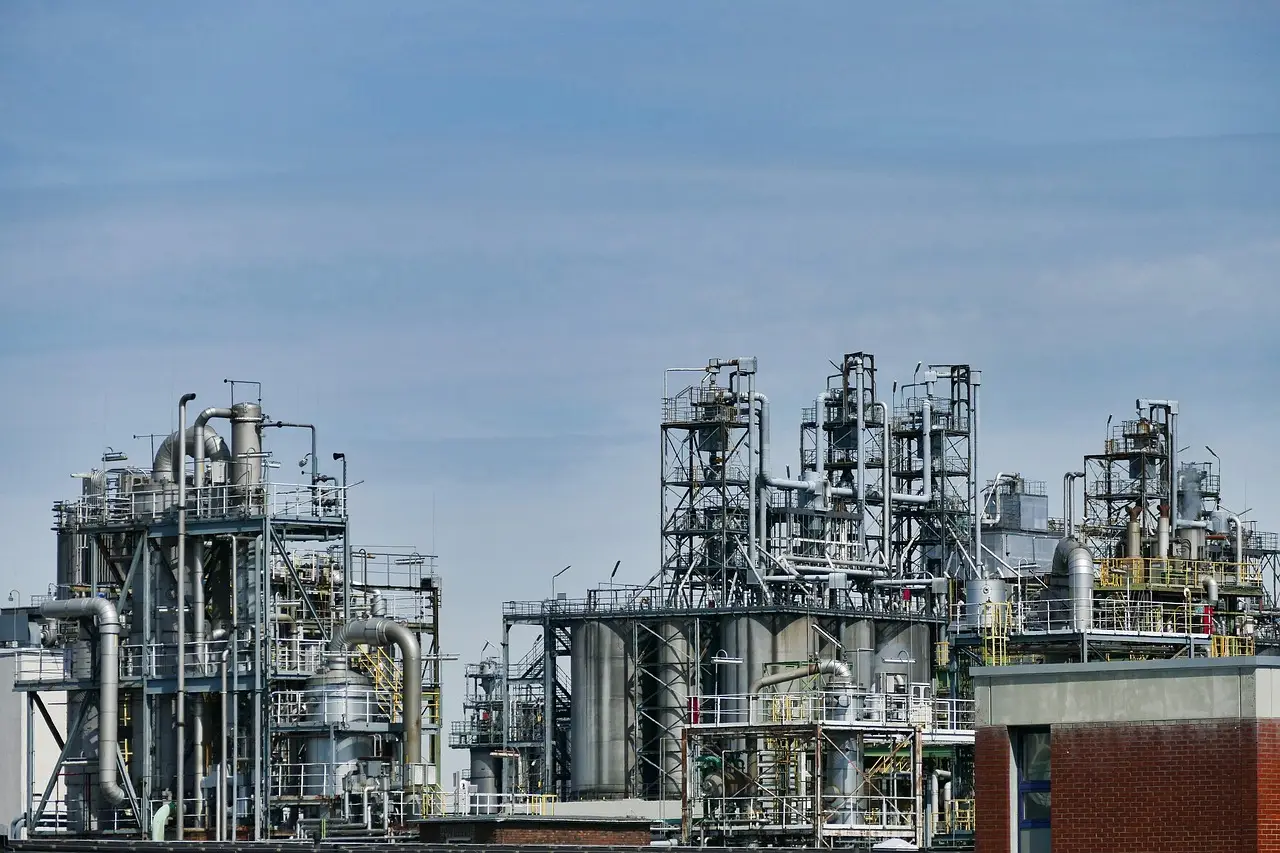
Britain has four major refineries: Pembroke, Fawley, Stanlow and Humber. They operate under UK carbon pricing rules, while overseas competitors may not. A border charge on the emissions embedded in imported fuels could narrow that competitive gap.
The stakes are rising. Declining domestic refining capacity has sharpened concerns about energy resilience, and recent history has been unkind to import-dependent fuel markets. Russia's invasion of Ukraine in 2022 reshaped European supply chains, and the 2026 disruption around the Strait of Hormuz demonstrated how instability on a critical shipping route can raise oil prices even for countries that buy little crude from the affected region.
A carbon border charge cannot guarantee energy independence or insulate Britain from global price shocks. Its design, however, could shape whether domestic refineries remain viable competitors.
What the consultation actually asks
The exercise invites responses from UK and overseas producers, fuel importers, trade associations and downstream businesses. The technical questions are the hard ones:
- How to attribute emissions to individual refinery products
- How to calculate default emissions values
- Whether importers can reliably trace fuel origins across international supply chains
- How to adapt the existing CBAM methodology — including free allowance adjustments and recognition of qualifying overseas carbon prices — to refining
The commercial consequences would not stop at the refinery gate. Fuel importers, distributors, transport operators and other businesses could face new compliance obligations or higher costs, depending on which products are included and how charges pass along supply chains. The government concedes that any effect on consumers depends on policy design and on how much cost business absorbs rather than passes on.
The question the consultation cannot avoid
At bottom, the exercise raises one strategic question: can the UK cut emissions while retaining enough refining capacity to strengthen energy resilience? A border charge on fuels would be the most aggressive use of the CBAM instrument to date, applied to a commodity where price sensitivity and security concerns run highest.
The consultation closes on January 20, 2027 — nineteen days after the core mechanism goes live. The government's response, and any legislative vehicle that follows, will determine whether the UK CBAM stops at five industrial sectors or reaches into the fuel tank.
via gov.uk (Original)
More from Olivia Hart
Show full bio
Staff writer covering regulation, policy and their impact on Circular economy and the environmental industry at Circular Wire.
468 articles