Waste Management Business
UK's £24M waste transfer station reaches construction completion
Construction has completed on a £24 million UK waste transfer station, according to Circular Online. Operator, throughput capacity and commissioning timeline remain undisclosed in current public reporting.
Waypoints
Capital value: £24 million for a UK waste transfer station
Construction phase completed, per Circular Online reporting
UK transfer stations in this capital bracket typically handle 50,000–150,000 tonnes per year
England's annual residual waste generation exceeds 20 million tonnes, per Environment Agency data
Sites handling more than 75,000 tonnes per year require an Environment Agency Environmental Permit
Construction has completed on a £24 million waste transfer station in the United Kingdom, according to reporting by Circular Online. The asset now moves into commissioning, the phase that determines when the first kerbside truck tips material onto the floor and the capital cost converts into an operating tonnage figure.
What does the £24M purchase in capacity terms?
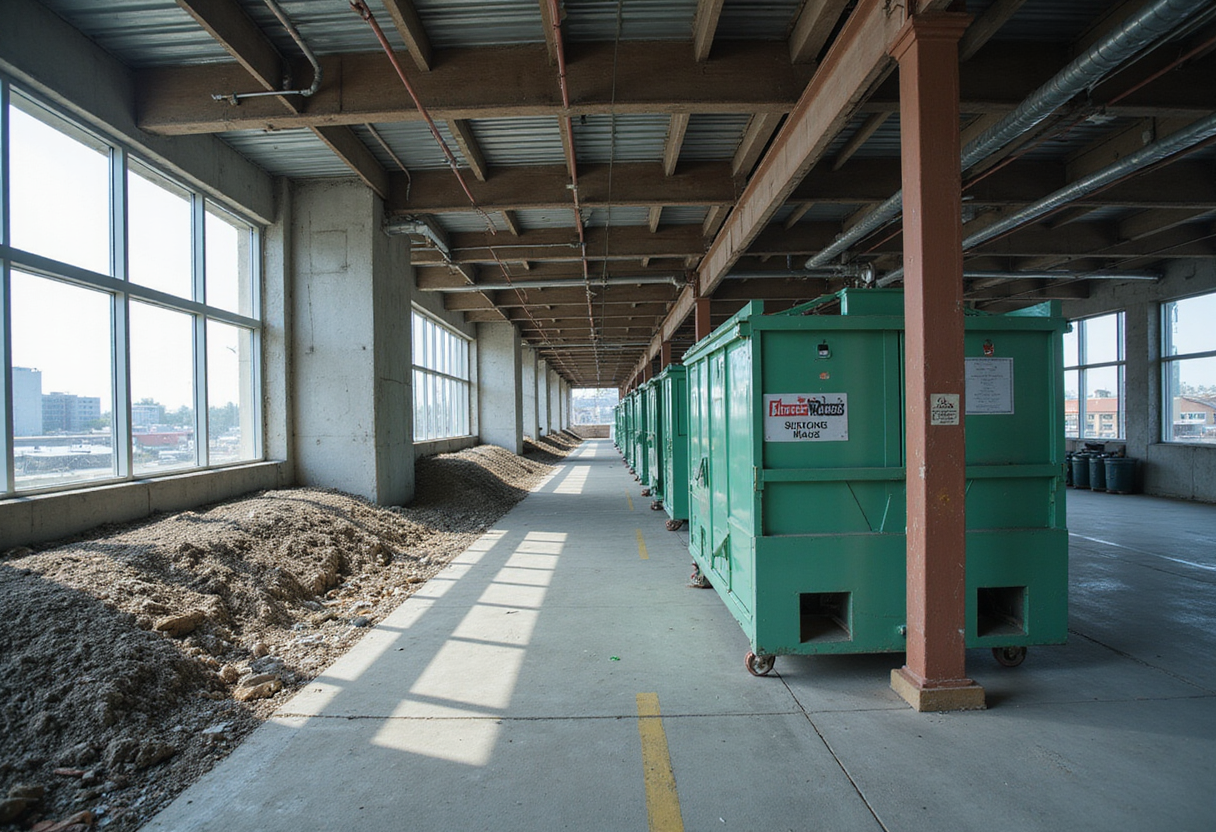
The headline figure covers build cost only. No equipment list, throughput target, contractor, or operator name appears in current public reporting. UK transfer stations at this capital value typically combine a weighbridge, a covered tipping hall, push walls or shear grabs for loading, segregation bays for wood, metals and cardboard, and a haulage yard for onward transfer. The investment level signals a regional-scale asset rather than a small civic site.
A station in this bracket generally handles between 50,000 and 150,000 tonnes per year of residual and mixed waste, plus source-segregated dry recyclables. That range is an industry benchmark, not project data — the operator has yet to publish a commissioning tonnage.
How does the station fit the UK waste chain?
Waste transfer stations do not, on their own, recycle material. They aggregate, sort and reload. Their value sits in cutting transport cost-per-tonne: a single walking-floor artic can replace six or seven collection rounds on a long haul to a regional MRF, energy-from-waste plant, or landfill.
That economic logic keeps local authorities investing in transfer capacity even as recycling rates plateau. Environment Agency data still places England's residual waste generation at over 20 million tonnes annually. Transfer capacity absorbs the cut between dispersed collection points and concentrated downstream infrastructure.
What remains unconfirmed?
Only four data points are verifiable from the source reporting:
- Capital value: £24 million
- Facility type: waste transfer station
- Status: construction completed
- Jurisdiction: United Kingdom
Operator identity, host council, planning authority, expected tonnage, commissioning timeline, and feedstock mix have not appeared in public reports. Trade-press coverage in the weeks after practical completion typically supplies those details through operator press releases, council planning portals, or Environment Agency permit registers.
Which milestones decide the operating start?
Three regulatory and operational triggers convert this story from a build announcement into an operating facility:
- Practical completion certificate. The contract administrator issues this to close the build phase and start the defects-liability period.
- Environmental Permit status. Sites handling above 75,000 tonnes a year require an Environmental Permit from the Environment Agency. Sites below that threshold can operate under a Standard Rules Permit. Permit status sets the runway to first waste on site.
- Operational commencement. The first received load from a collection vehicle marks the operating start date. Local authorities and waste producers contracted to the site will switch collection routing on this trigger.
A £24M transfer station clearing the build phase suggests a project that has managed major planning and procurement risk. The next public milestone to track is the operator's commissioning statement, which will turn the announced cost into a throughput figure the trade can benchmark.
via Google News: Waste management companies (Source)
More from Elena Vasquez
Show full bio
Senior reporter covering media and advertising at Circular Wire.
272 articles