E-Scrap & Battery Recycling
Vermont Expands Battery Recycling Access Across the State
Vermont has widened its battery recycling network, giving residents more drop-off options for spent alkaline and lithium-ion cells under the state's EPR framework.
Waypoints
Vermont has expanded its battery recycling options, WCAX reports
The state operates battery collection within an extended producer responsibility framework funded by manufacturers
The report did not specify the number of new sites, operators, or tonnage targets
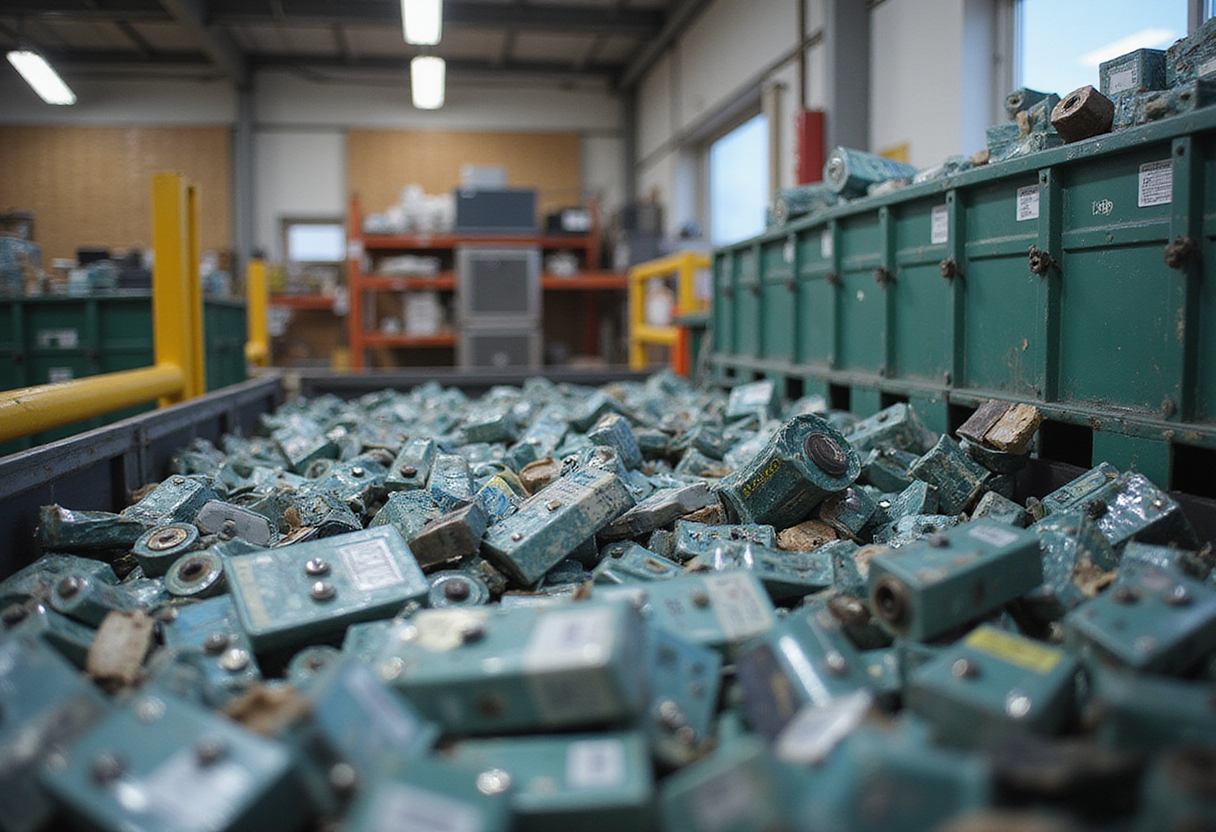
Vermont has expanded its battery recycling options, WCAX reports, widening the channels through which residents can return spent batteries for material recovery rather than disposal.
Battery recycling in Vermont operates within the state's extended producer responsibility (EPR) framework, under which battery manufacturers fund collection and processing of their products at end of life. The expansion announced by WCAX adds to the existing network of drop-off locations that accepts household batteries — including single-use alkaline cells and rechargeable chemistries such as lithium-ion — for recovery of metals including steel, zinc, manganese, cobalt and nickel.
The development matters for the material stream on two counts. First, rechargeable lithium-ion batteries carry high commodity value per tonne in their cobalt, nickel and lithium content, and diversion programs increasingly target these chemistries as consumer electronics and cordless tool turnover accelerates. Second, batteries that enter mixed waste streams create operational hazards at transfer stations, material recovery facilities and landfill gas systems, where damaged lithium-ion cells can ignite. Collection infrastructure that captures batteries before they reach the waste stream addresses both the recovery economics and the fire risk that facility operators report with growing frequency.
WCAX did not specify in its report the number of new collection sites added, the operators administering them, or tonnage targets for the expanded program. Readers tracking Vermont's battery diversion performance should look to the state's Agency of Natural Resources, which administers producer responsibility compliance, for annual collection volume data.
The expansion follows a broader pattern across the Northeast, where state-level battery EPR laws and stewardship programs have driven steady growth in collection point density. Neighboring jurisdictions have moved toward similar access standards, and Vermont's program — one of the earlier state frameworks for product stewardship — continues to add capacity through retailer take-back and municipal drop-off channels.
For recyclers and processors, wider collection access in a small-population state translates into incremental feedstock rather than step-change volume. The relevant question for the regional material stream is whether the added convenience lifts the state's battery capture rate, which historically has lagged the diversion rates achieved for covered categories such as paint and electronics under Vermont's other EPR programs.
The program's next measurable checkpoint will come in the state's annual stewardship reporting, where collection volumes and program participation will indicate whether the expanded access converts into additional tonnage recovered — the metric that determines whether this is added convenience or added capacity for the Vermont battery stream.
via Google News: Battery recycling and e-waste (Source)