Compliance & Policy
Victoria's EPA Widens Its Tech-Led Illegal Dumping Taskforce
EPA Victoria is widening its specialist illegal dumping taskforce, adding surveillance and data-led targeting to an enforcement push aimed at repeat dumpers statewide.
Waypoints
EPA Victoria is expanding its specialist illegal dumping taskforce
The expansion is technology-led: surveillance, monitoring and data-driven targeting
Operations shift from complaint response to intelligence-led enforcement
Focus includes repeat offenders and evidence files built for prosecution
EPA Victoria is expanding its illegal dumping taskforce, and the expansion is technological rather than merely numerical. The state regulator confirmed it will widen the remit of a specialist unit that already deploys surveillance equipment, data analysis and covert monitoring against dumpers, moving more of its enforcement effort onto a tech-led footing.
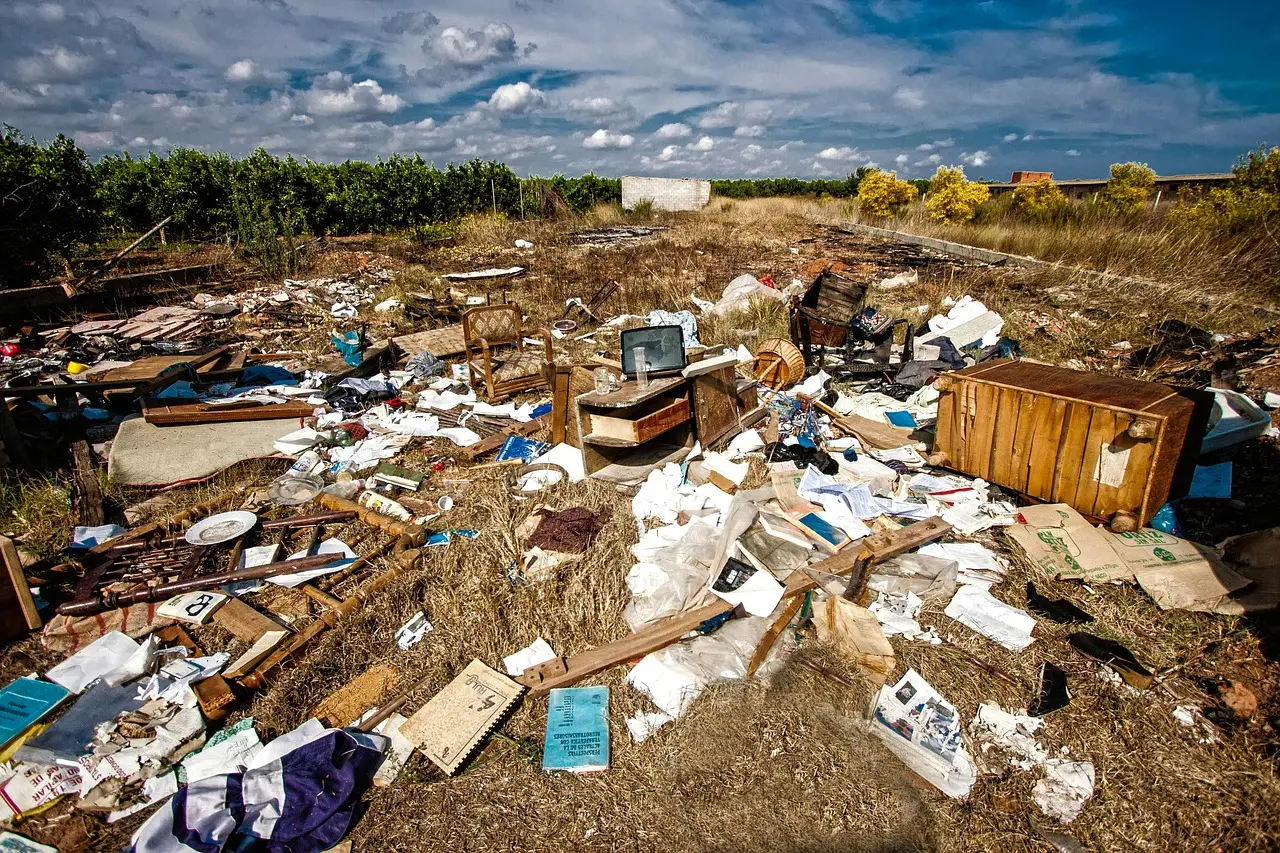
The announcement gives the taskforce a broader canvas. Illegal dumping remains one of the most persistent enforcement problems in Victoria's waste system, with abandoned loads of construction debris, household waste and hazardous material turning up on public land, roadsides and waterway reserves. Each incident carries clean-up costs for councils and the state, and each one represents recovered material lost to the legitimate recycling stream.
What is actually changing?
The taskforce, first assembled to concentrate the EPA's scattered dumping investigations into a single unit, will grow in scope. The regulator's stated premise is straightforward: catch dumpers with evidence strong enough to prosecute, and do it at scale. That means more surveillance technology, more targeted operations built on intelligence rather than complaint response, and more use of the data trails that vehicles and waste loads inevitably leave behind.
The EPA frames the expansion as a shift from reacting to reports toward pre-empting the dump. The logic is familiar to anyone who follows enforcement economics: clean-up is a cost, prosecution is a deterrent, and deterrence scales only when detection becomes cheap and reliable.
- Broader taskforce remit covering illegal dumping statewide
- Technology-first approach: surveillance, monitoring and data-led targeting
- Intelligence-driven operations rather than complaint-driven response
- Emphasis on building prosecutable evidence files against repeat offenders
The distinction matters. A taskforce that chases tip-offs is a mop. A taskforce that watches known hotspots, traces loads and compiles evidence is a trap. Victoria is signalling it wants the second kind.
Why the material stream is the point
For the recycling sector, illegal dumping is not a curiosity. It is leakage. Every tonne of concrete, metal, timber or e-waste abandoned on a roadside is a tonne that never reaches a processor, never generates a gate fee, and never counts toward the state's circular economy targets. Dumping undercuts compliant operators twice: it removes feedstock from the lawful system, and it competes with lawful disposal by charging nothing at all.
Construction and demolition waste sits at the centre of the problem. It is heavy, costly to transport and profitable to abandon, which makes unlicensed dumpers direct competitors of licensed transfer stations and recyclers. Enforcement that raises the risk of dumping is, in effect, industrial policy for the compliant end of the market.
The EPA's tech emphasis also reflects a resource reality. Surveillance cameras, drone imagery and data analytics scale across territory in a way officer patrols cannot. A regulator that cannot post an inspector at every roadside can, in principle, post a sensor.
What happens next
The measure of this expansion will be enforcement output: prosecutions commenced, penalties issued, tonnes of dumped material traced to their source. The taskforce now has the mandate. The market and the courts will supply the verdict.
Regulators announce taskforces; dumpers test them. The expansion is a commitment with a deadline of its own making — the next prosecution cycle.
via Google News: Environmental compliance and EPA (Source)
More from Olivia Hart
Show full bio
Staff writer covering regulation, policy and their impact on Circular economy and the environmental industry at Circular Wire.
427 articles