Compliance & Policy
WA ordered to tighten Gouldian finch protections at Goomig
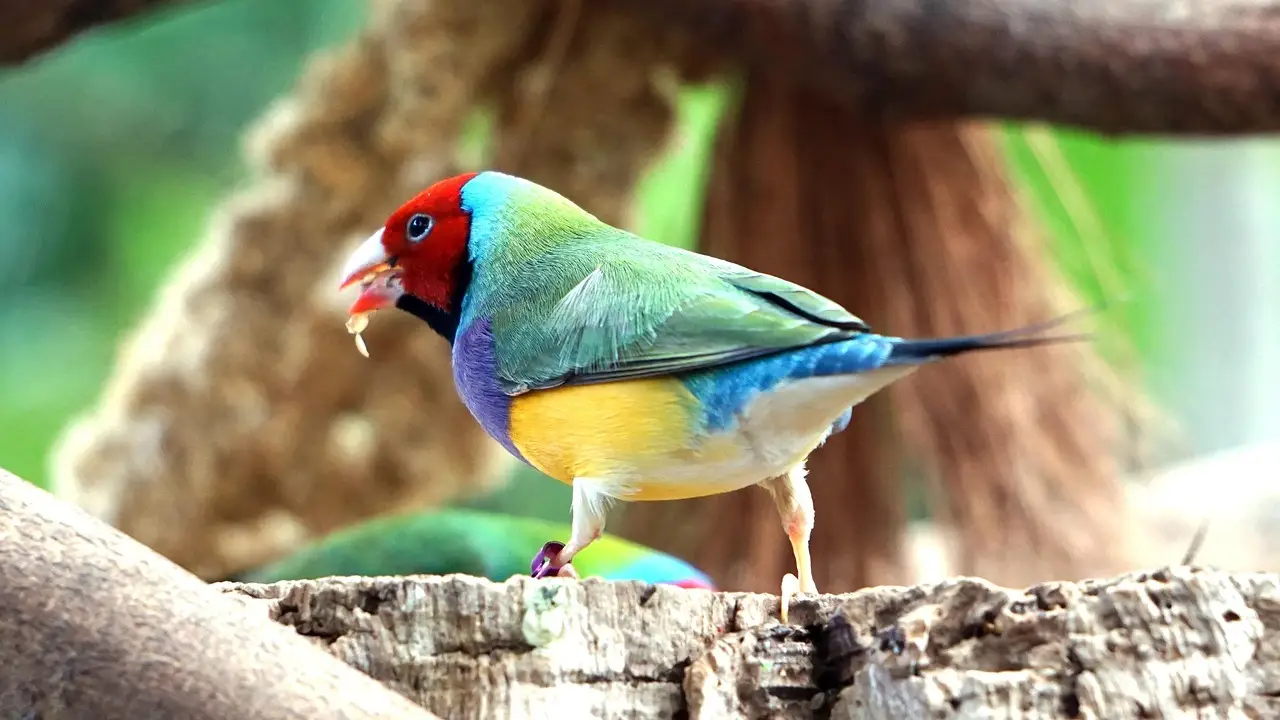
Federal conditions require WA to improve Gouldian finch breeding and wet-season foraging habitat at Goomig, while late-season fire remains the biggest recovery threat.
Waypoints
The 11,470-hectare conservation zone surrounds the Goomig Project near Kununurra.
The Commonwealth granted environmental approval in 2011, and DPIRD manages the project.
The National EPA found DPIRD and KAI breached approval conditions.
DPIRD’s 2023/24 report recorded no Gouldian finches in buffer-zone nest boxes over four years.
A five-day Wyndham count averaged 680 Gouldians, up from around 500, with 78% juveniles.
By Elena Vasquez
An 11,470-hectare conservation zone near Kununurra now faces tighter federal conditions after the Western Australian government failed to implement approved plans to protect the endangered Gouldian finch.
The zone surrounds land cleared for agricultural development through the Weaber Plain Development Project, known as the Goomig Project. The Commonwealth granted environmental approval in 2011, and the WA Department of Primary Industries and Regional Development (DPIRD) manages the project.
Chinese-backed agribusiness Kimberley Agricultural Investment (KAI) holds tenure over the farmlands, except for two lots owned by MG Corporation, Kununurra’s main native title organisation.
What did the federal investigation find?
The National Environmental Protection Agency has completed its investigation into DPIRD’s management of the conservation zone. It found that DPIRD and KAI breached conditions attached to the project’s approval.
“The breaches included failures to implement approved plans to protect the Gouldian finch, manage buffer areas and protect aquatic fauna.”
DPIRD also failed to publish annual compliance reports on time or place approved management plans on its website. The National EPA altered the approval conditions and required DPIRD to provide a revised Gouldian finch conservation plan to the federal environment minister.
What changes at the Goomig Project?
Within the buffer zone, DPIRD must demonstrate improvements in the quality of breeding habitat and wet-season foraging habitat. The variations place habitat, buffer management, aquatic fauna protection and consistent compliance reporting back at the centre of the project’s federal approval.
DPIRD welcomed the ruling and said the variations allow a more flexible approach to implementing consistent approval conditions and associated management plans supporting finch protection. The department attributed the changes to its feedback to streamline reporting and compliance.
For DPIRD, the immediate task is to submit the revised conservation plan. The harder operational test is measurable habitat improvement inside the buffer, rather than approval of plans alone.
What do the bird counts show?
DPIRD’s latest compliance report, covering 2023/24, recorded no Gouldian finches in nest boxes within the buffer zone over the previous four years. That result covers nest boxes rather than a count of all birds using the wider conservation area.
A separate count by the charity Save the Gouldian Fund at Wyndham, 100 kilometres northwest of Kununurra, recorded an average of 680 Gouldians over five days. That was roughly 180 more than the around 500 counted the previous year.
Gary Fitt, the charity’s chief executive, said 78% of the birds were juveniles, the highest proportion of young birds the group had ever counted. He interpreted that result as evidence of a very good breeding season.
High rainfall in January and February helped produce the grass seeds Gouldians need to feed their young. Fitt did not read the buffer’s four-year nest-box result as evidence of a deep-rooted problem.
He said he was not concerned about the absence of birds in such a small conservation area, noting that hundreds were being seen around Kununurra. He had spoken with the WA government about better ways to survey the area, although the charity was not involved in that work.
Save the Gouldian Fund stationed volunteers at waterholes to tally birds drinking and bathing over five successive mornings. Fitt said fluctuating finch numbers were normal and reflected the availability of food.
What threatens recovery?
Fitt identified the loss of tree hollows used for nesting because of late-dry-season arson as the greatest threat to Gouldians. His concern extends across a decade of repeated burning in the charity’s study area.
“Over the last 10 to 15 years, we’ve seen a lot of our study area burnt late in the dry season, and that’s really unfortunate. If that sort of regime goes on year after year, the birds are going to struggle to recover overall.”
The decisive next milestone is DPIRD’s submission of a revised conservation plan to the federal environment minister, followed by evidence of improved breeding and wet-season foraging habitat within the buffer.
via Google News: Environmental compliance and EPA (Source)
More from Elena Vasquez
Show full bio
Senior reporter covering technology and product news in Circular economy and the environmental industry at Circular Wire.
464 articles