Waste Management Business
West Sacramento Eyes GreenWaste Over WM as 2026 Contract End Nears
West Sacramento staff favor GreenWaste Recovery over long-time incumbent WM as the city's 1987 franchise expires. The Environment and Utilities Commission withheld its recommendation pending public outreach, while projected combined utility costs rise 74% by 2030.
Waypoints
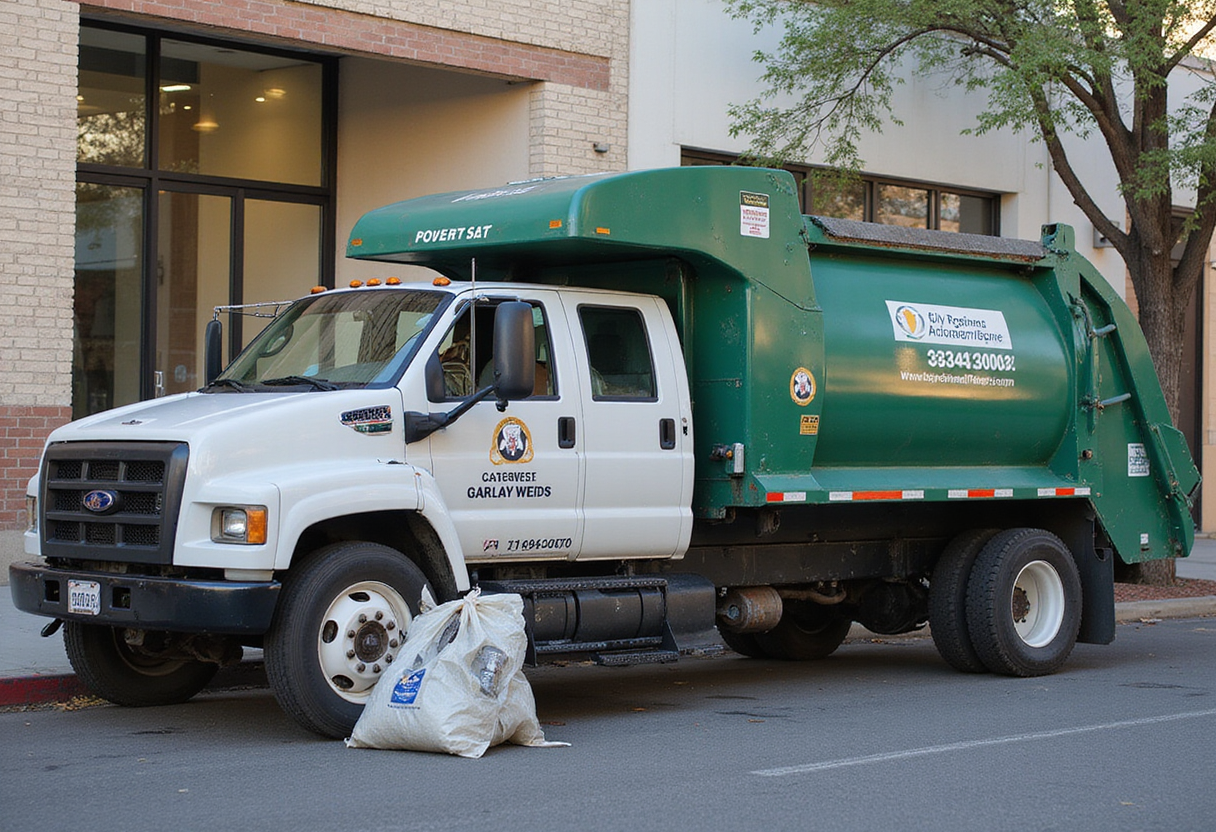
WM has held West Sacramento's garbage franchise since 1987; the contract expires in 2026.
City staff ranked GreenWaste Recovery's bid above WM and Atlas after evaluating three proposals.
West Sacramento's annual subsidy to WM is projected at $1.9 million this fiscal year.
Combined water, sewer and waste bills for a family of four are projected to climb 74%, from about $103 to $180 per month, by 2030.
The Environment and Utilities Commission declined to forward a recommendation to the City Council pending public outreach.
The city of West Sacramento could shift roughly 16,000 residential garbage accounts from WM to GreenWaste Recovery under a contract recommended by city staff, but a 74% increase in combined water, sewer and waste charges by 2030 has put the deal on hold pending public outreach.
West Sacramento has contracted with WM, formerly Waste Management, since 1987. With that franchise agreement expiring next year, city staff evaluated three bids and ranked GreenWaste, a San Jose-based hauler serving more than 300,000 residential customers and 20-plus public agencies, at the top.
The city's Environment and Utilities Commission met this week to review the proposal before sending a recommendation to the City Council, which holds final approval authority. The commission voted not to recommend approval until it sees more detail on the bidding process and gathers public input.
What do the three bids cover?
- WM (incumbent): 38-year West Sacramento operator; proposal would maintain current service levels and route waste and compost to the Yolo County Central Landfill on County Road 28H.
- GreenWaste Recovery: San Jose-based; would assume customer billing from the city under a franchise staff scored highest.
- Atlas: Third bidder; details not yet public.
All three proposals include rate increases. The shift to hauler-run billing, rather than city-run billing, partly accounts for the bump. Under today's arrangement, the city pays WM more than it collects from ratepayers and absorbs the gap. That shortfall will reach about $1.9 million this fiscal year, according to a city staff report. For most residential customers, the city covered roughly $4 per month of last year's bill.
How steep could ratepayer costs climb?
A family of four in a single-family home would see monthly water, sewer and waste charges climb from roughly $103 at the start of 2026 to about $180 by 2030 — a 74% jump. Garbage rates are only one piece of the increase. The City Council approved a separate water and sewer rate hike in March to fund aging infrastructure repairs and offset pandemic-era revenue losses.
On the electricity side, the California Public Utilities Commission's Public Advocates Office estimates the average customer could pay an additional $70 per month, or $840 a year, by 2030. PG&E, which serves West Sacramento, has asked the state for a roughly $0.41 monthly natural-gas rate increase that remains pending.
Why did the commission push back?
Commission members accused staff of bringing them in too late and skipping meaningful public engagement. Longtime member Dayna Cordano said she could not recommend the contract as drafted.
"I don't think I can recommend this to city council without having some public outreach," Cordano said.
She also pointed to the size of the proposed increases: "That's going to be a really big cost increase for a lot of families."
Cordano contrasted the franchise process with the city's recent water and sewer rate case, which folded the commission and residents into earlier rounds of review. Sustainability Manager Ryan Burnett told commissioners he agreed the community should have been brought in sooner and said he did not know why it was not.
What are the losing bidders saying?
Representatives from WM and Atlas told the commission they could match GreenWaste's service standards at a lower monthly price and criticized the scoring rubric for weighing rates too lightly.
"WM has been your partner for over 40 years," Eric Lynch, WM's area director of sales, told the panel. "WM prioritized your cost to your customers."
Daniel Uribe, who oversees West Sacramento collections for WM, framed continuity as the incumbent's chief asset.
"There is no startup period, no learning curve or transition plan required," Uribe said. "Our drivers, technicians, dispatchers and customer service team deliver these results day in and day out."
Resident and City Council candidate Kathy Bailey urged the council to weigh the contract's 10-plus-year horizon carefully.
"I believe the proposed waste management contract deserves very careful city scrutiny before the city commits residents to a 10-plus year or potentially longer agreement," Bailey said.
What decides the next step?
The City Council controls the timeline. A decision is expected before the WM franchise expires in 2026, but commissioners have asked staff to relaunch public outreach and supply a clearer cost-of-service breakdown before the package returns to council for a vote.
via sacbee.com (Original)