Cleantech & Investment
£12bn Vanguard offshore wind deal lands as UK blocks Botley West solar
RWE and KKR commit £12bn to the 2.8 GW Vanguard windfarms off Norfolk, powering 3m homes by 2030 — while ministers reject an £800m solar plant the same week.
Waypoints
£12bn investment from RWE and KKR will build the Vanguard West and East windfarms off Norfolk, generating 2.8 GW for 3 million homes.
Construction starts early next year; the windfarms are set to supply power by 2030, backed by £1bn from the National Wealth Fund.
RWE estimates 2,300 supply-chain jobs per year during construction and 100 permanent operational jobs.
The government rejected the £800m Botley West solar project — nearly 3,500 acres, enough for 330,000 homes — over harm to the green belt and Blenheim Estate.
SSE said the latest phase of Berwick Bank B off Scotland will support 2,600 existing jobs.
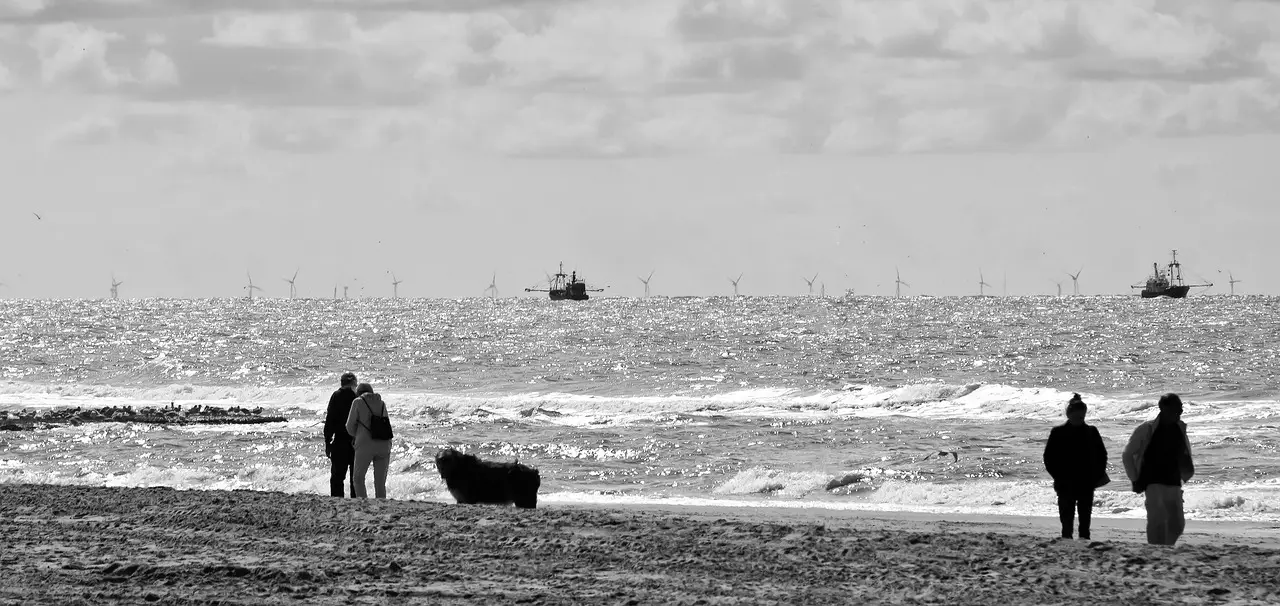
A £12bn investment from Germany's RWE and US private equity firm KKR will build two offshore windfarms off the Norfolk coast — 2.8 gigawatts of capacity, enough to supply 3 million homes, and a package the government calls the biggest wind investment of its kind in UK history.
The announcement landed Wednesday, days before the prime minister travels to the Cop31 climate summit in Turkey, where he's expected to speak Thursday. It also landed in the same week his government rejected an £800m solar project and continues to absorb criticism over the Jackdaw gasfield approval in the North Sea. For anyone tracking the UK's clean-power build-out, the sequencing tells you the strategy: lead with the big numbers, defer the hard planning calls.
What gets built, and when
The money goes to Vanguard West and Vanguard East, offshore projects off Norfolk. Construction starts early next year, and both windfarms are set to generate power by 2030 — a firm deadline that puts them inside the government's clean-power target window.
RWE frames Vanguard as one of the UK's largest offshore wind developments. The company estimates construction will create and support 2,300 jobs each year through the supply chain, with 100 long-term permanent jobs once the sites are operational.
The state-owned National Wealth Fund is putting £1bn into the projects alongside private capital — a signal that public money is still de-risking early-stage offshore deals even as ministers talk up private-sector momentum.
The prime minister called the package a "vote of confidence for building in Britain".
"It is great news for bill payers because every turbine we put up is power under British control, not at the mercy of events on the other side of the world," he said, adding that host communities "from Scotland to East Anglia" gain the jobs and opportunities the industry brings.
What happened at Berwick Bank
SSE used the same Wednesday to announce that the latest phase of Berwick Bank B, its major windfarm off Scotland's east coast, will "support" 2,600 existing jobs. Note the verb — support, not create. The distinction matters when you're comparing headline employment figures across projects, and RWE's 2,300-a-year construction number is the harder commitment of the two.
Energy secretary Miatta Fahnbulleh said offshore wind investment was "creating quality jobs and rebuilding industry, while delivering the clean power we need to lower bills and reach net zero". Britain, she said, is "leading from the front as a renewable energy powerhouse".
Where the solar refusal fits
The same government machine that welcomed Wednesday's wind capital rejected the £800m Botley West solar project on Tuesday. Fahnbulleh turned down what would have been Britain's biggest solar plant — nearly 3,500 acres near the Blenheim Palace estate in Oxfordshire, with developers claiming enough output for 330,000 homes.
In a letter written on the energy secretary's behalf, Margaret Curran cited "substantial harm" to the green belt and the Blenheim Estate, a world heritage site and Winston Churchill's birthplace.
So the week's net position for the energy transition: 2.8 GW of offshore wind accelerated, roughly 800 MW-equivalent of solar stopped on heritage grounds. If you're siting renewables in England, the message is that offshore still moves; inland projects near designated landscapes face a much steeper climb.
What to watch next
The milestone that decides everything here is the early-2025 construction start at Vanguard and the 2030 power-on date. Miss those and the "biggest in UK history" framing starts to work against the government. Watch Cop31 on Thursday for the speech, then the planning docket for whether the Jackdaw backlash forces any recalibration on onshore consent rules.
via theguardian.com (Source)
More from Elena Vasquez
Show full bio
Senior reporter covering technology and product news in Circular economy and the environmental industry at Circular Wire.
511 articles