Cleantech & Investment
RWE and KKR Close £12.8 Billion Financing for 2.8 GW UK Offshore Wind
RWE and KKR reach financial close on 2.8 GW of North Sea offshore wind with a record £12.8 billion financing from 35 banks, targeting full commissioning by 2030.
Waypoints
RWE and KKR secured £12.8 billion ($17.1 billion) — the largest project financing ever in UK offshore wind, backed by 35 international banks
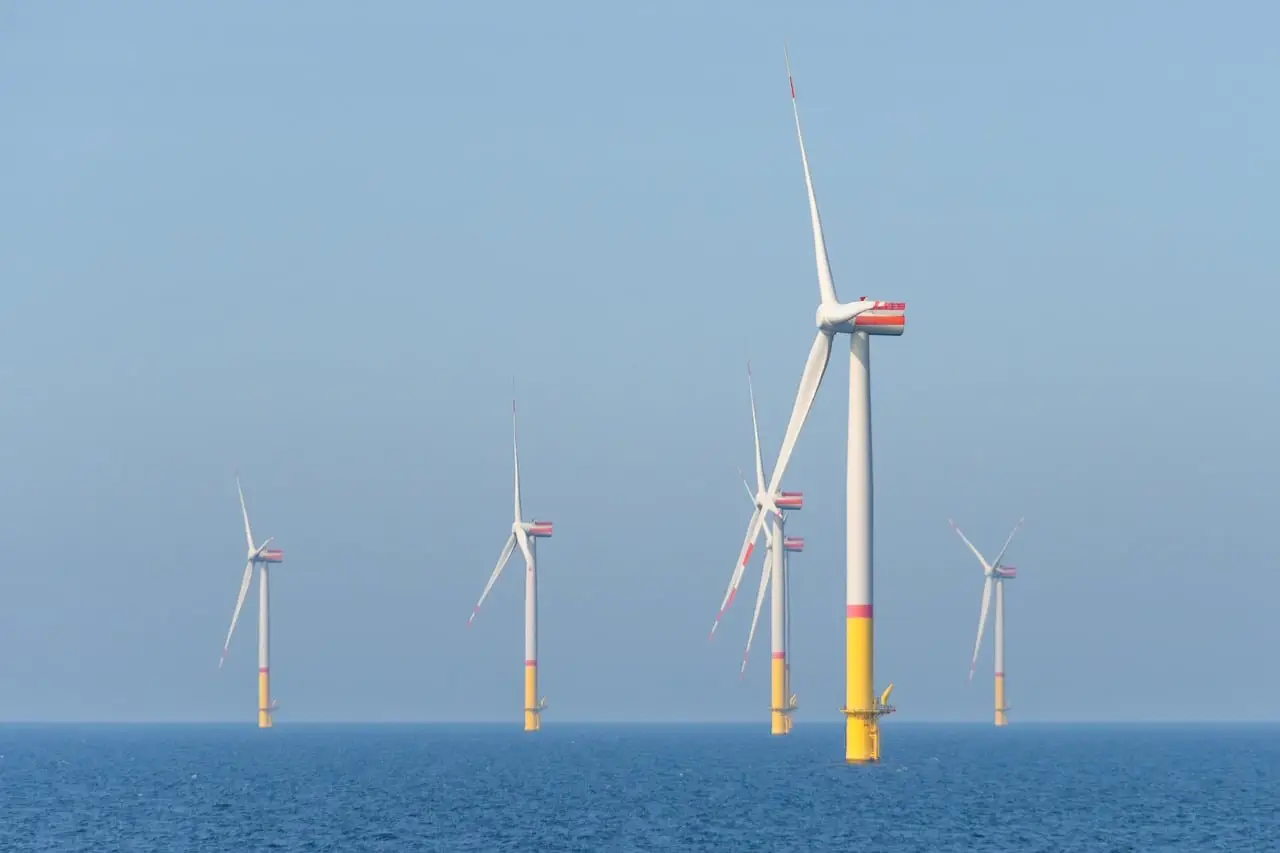
Vanguard West and Vanguard East will each deliver 1.4 GW off the Norfolk coast, enough for around three million homes
Total investment is around £12 billion ($16 billion), including transmission infrastructure, with £11.1 billion in cash facilities and £1.7 billion in ancillary facilities
Offshore construction begins in early 2027; full commissioning of both projects is expected in 2030
KKR completed its 50% stake acquisition, formalising a 50:50 joint venture with RWE leading project delivery
RWE and KKR have secured a £12.8 billion ($17.1 billion) financing package to reach financial close on two new North Sea offshore wind projects totalling 2.8 GW — the largest project financing ever completed in UK offshore wind.
The debt came from a consortium of 35 international banks, the companies announced on Wednesday. The package sits alongside equity commitments from RWE and KKR within a total investment of roughly £12 billion ($16 billion), covering construction of the wind farms and their associated transmission infrastructure. The financing breaks down into £11.1 billion in cash facilities plus £1.7 billion in ancillary facilities.
The two projects, Vanguard West and Vanguard East, will rise between 50 and 80 km off the Norfolk coast in East Anglia. Each carries an installed capacity of 1.4 GW, and together they are expected to generate enough power for around three million homes.
What does this change for the UK build-out?
The deal converts an auction award into committed capital with a delivery timetable. RWE won the contract for the projects in early 2026 through the UK's Department for Energy Security and Net Zero (DESNZ), and said at the time that KKR would take a 50% stake. Wednesday's announcement confirmed the transaction has closed and the 50:50 joint venture is formally established to develop, construct and operate both wind farms, with RWE leading project delivery on behalf of the JV.
Preparatory onshore infrastructure work is already well advanced, according to RWE. Offshore construction is set to begin in early 2027, and full commissioning of both projects is expected in 2030.
UK Prime Minister Andy Burnham called the planned projects a "major investment in UK renewables" and framed them in energy security terms. "Every turbine we put up is power under British control, not at the mercy of events on the other side of the world," he said.
Who is putting up the money?
The structure pairs a record-sized bank syndicate with a two-sponsor equity base. RWE AG CEO Markus Krebber said the arrangement gives the projects their footing.
"Our strategic partnership with KKR provides a strong foundation for the joint delivery of Vanguard West and Vanguard East, and is a vote of confidence in the UK as an attractive place to invest," Krebber said. "Securing the largest ever project financing in UK offshore wind also demonstrates our lenders' trust in these projects and our ability to deliver them."
Vincent Policard, Co-Head of European Infrastructure at KKR, positioned the deal as a template for mobilising private capital at scale.
"Delivering at this scale requires substantial private investment, and KKR brings long-term capital, global infrastructure expertise and the ability to support complex projects through construction and operation," Policard said. "Our work with RWE demonstrates how private capital can help turn the UK's energy ambitions into reality, with these projects capable of powering around three million UK homes."
What happens next?
The financial close removes the main funding question hanging over the 2.8 GW pair, but delivery risk now shifts to the construction schedule. The milestone dates to track are the start of offshore construction in early 2027 and full commissioning of both projects in 2030 — the point at which the capacity contracted through DESNZ's early-2026 auction must actually reach the grid.
via ESG Today (Source)
More from Grace Kim
Show full bio
Market editor covering money, funding and market shifts around Circular economy and the environmental industry at Circular Wire.
534 articles