Cleantech & Investment
Masdar Raises $600 Million in World's Highest-Rated Corporate Blue Bond
Masdar's $600 million five-year blue bond, rated AA- and 2.5x oversubscribed, will fund floating solar, offshore wind and offshore power transmission projects.
Waypoints
Masdar raised $600 million through its first blue bond issuance, a five-year instrument.
The bond carries an AA- rating from S&P and Fitch — the highest-rated publicly issued corporate blue bond globally to date.
The offering was 2.5x oversubscribed with an order book of $1.5 billion.
Eligible blue projects include floating solar, offshore wind and offshore electricity transmission to shore.
The issuance follows last month's update to Masdar's Green Finance Framework to include blue projects.
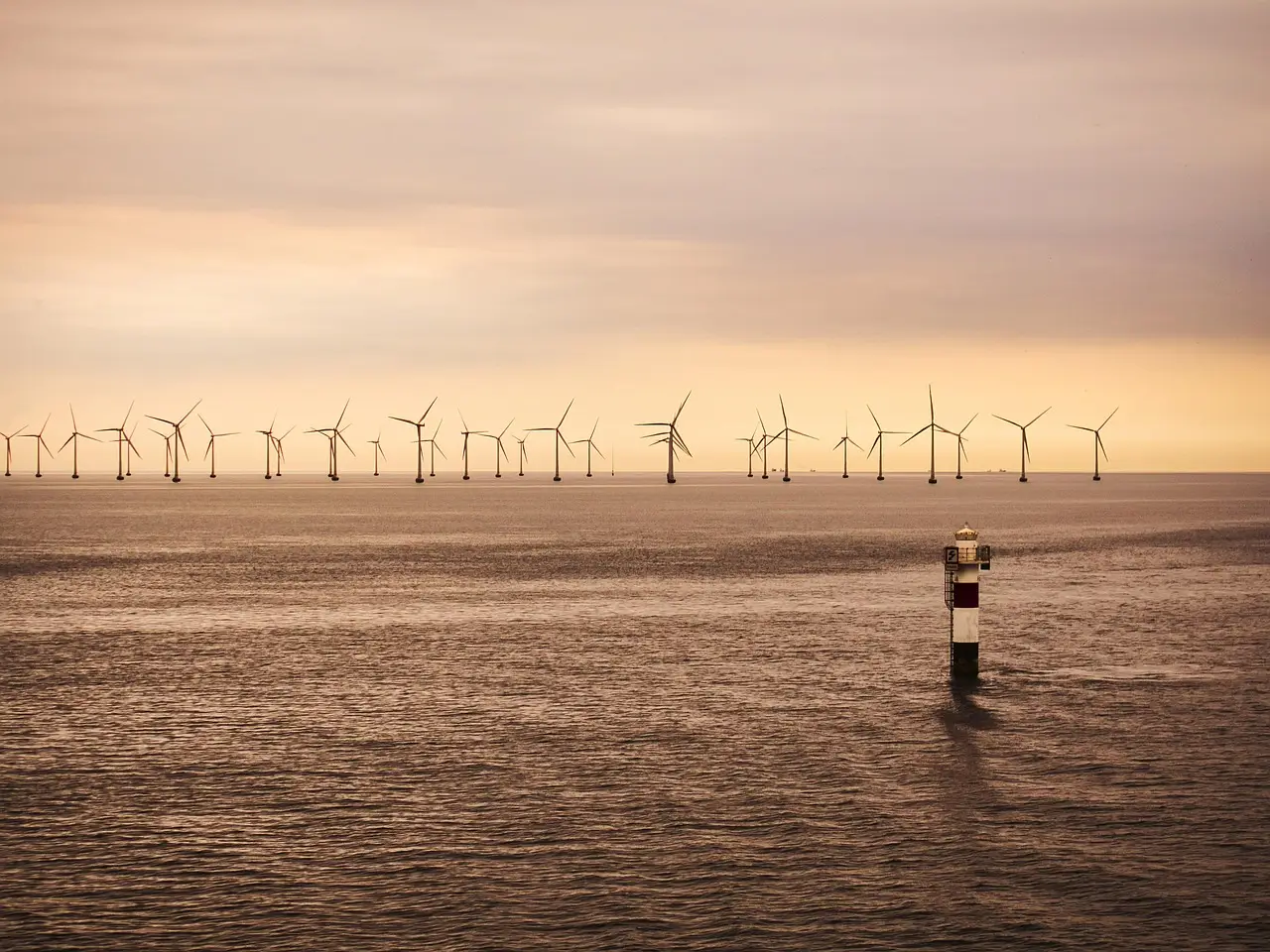
Masdar has raised $600 million through its inaugural blue bond, with proceeds earmarked for marine-based renewable energy projects, including offshore wind, the UAE-based renewable energy developer announced.
The five-year instrument carries an AA- rating from S&P and Fitch, making it the highest-rated publicly issued corporate blue bond globally to date, according to the company. Demand ran well past the offer: the issuance was 2.5x oversubscribed, with an order book reaching $1.5 billion.
The bond market, it appears, has an appetite for water.
What will the $600 million finance?
The issuance follows the release last month of Masdar's updated Green Finance Framework (GFF), revised specifically to include eligible blue projects. Under the framework, those projects must contribute to the sustainable use of oceans and water resources and undergo environmental impact assessments to minimize adverse biodiversity effects.
The updated framework lists three eligible blue categories:
- investments in floating solar power;
- offshore wind power;
- the transmission and distribution of offshore electricity to shore.
The categories matter more than the label. Floating solar, offshore wind and subsea transmission are capital-intensive segments where financing costs decide project velocity, and a framework that channels rated debt toward them is a delivery mechanism, not a press release.
The scope is deliberately narrow. No coastal tourism, no aquaculture, no loosely defined ocean economy — only the hardware that moves electrons from water to shore.
Who backed the deal?
A heavyweight bank group arranged the transaction. Joint lead managers and bookrunners included Abu Dhabi Commercial Bank, BNP Paribas, Crédit Agricole CIB, First Abu Dhabi Bank, HSBC, J.P. Morgan, and Société Générale CIB.
The roster spans both regional Gulf lenders and global investment banks, a signal that blue finance has moved from boutique ESG desks into mainstream capital markets desks.
Mazin Khan, Chief Financial Officer at Masdar, said:
"Our first blue bond issuance under our updated Green Finance Framework provides yet more opportunities for investors to join us in building the clean energy system of the future. This benchmark offering will ensure capital can be delivered where it will have the most impact, supporting the development of a more resilient blue and green economy."
The word "benchmark" is doing real work in that sentence. A 2.5x oversubscription at AA- sets a pricing reference for any corporate issuer considering the blue label after Masdar.
Why does the framework update matter?
The bond could not exist without last month's framework revision. Masdar's Green Finance Framework previously covered conventional green categories; the update created the blue eligibility screen — oceans and water resources, mandatory environmental impact assessments, biodiversity safeguards — that investors needed before subscribing.
That sequencing is the template other developers will copy: amend the framework, define eligible assets, then price the paper against it. The assessment requirement also gives the bond a compliance spine, since funded projects must demonstrate they minimize adverse biodiversity effects rather than merely assert it.
One caveat belongs on the record. This is a financing announcement, not commissioned capacity. The $600 million is raised capital awaiting allocation to projects that meet the framework's tests; the megawatts come later, in future filings.
What happens next?
The milestone to watch is allocation. Masdar must now deploy the proceeds into floating solar, offshore wind and offshore transmission assets that pass the framework's environmental impact screening, and the market will judge the instrument by whether follow-on projects materialize at the pace the order book implies.
Until then, the $1.5 billion order book stands as evidence of demand. Delivery is the part that has not happened yet.
via ESG Today (Source)
More from Olivia Hart
Show full bio
Staff writer covering regulation, policy and their impact on Circular economy and the environmental industry at Circular Wire.
468 articles