Cleantech & Investment
A$106 Billion Grid Buildout Meets Rural Pushback Over Who Decides
A$106 billion in grid investment by 2050, 141 projects financed this half-year — but Victoria's community engagement rules stay voluntary until mid-2027, and opposition has already killed one REZ.
Waypoints
AEMO estimates A$106 billion (US$72 billion) in new investment and 6,000 km of transmission lines are needed by 2050.
141 clean energy projects worth A$32.5 billion were financed or under construction in H1 2026, per the Clean Energy Council.
Victoria's community engagement guidelines stay voluntary until mid-2027 and set no minimum dollar-per-megawatt figure, unlike NSW.
Community backlash forced Victoria to scrap a planned renewable energy zone around Dookie; the opposition has vowed to cancel VNI West.
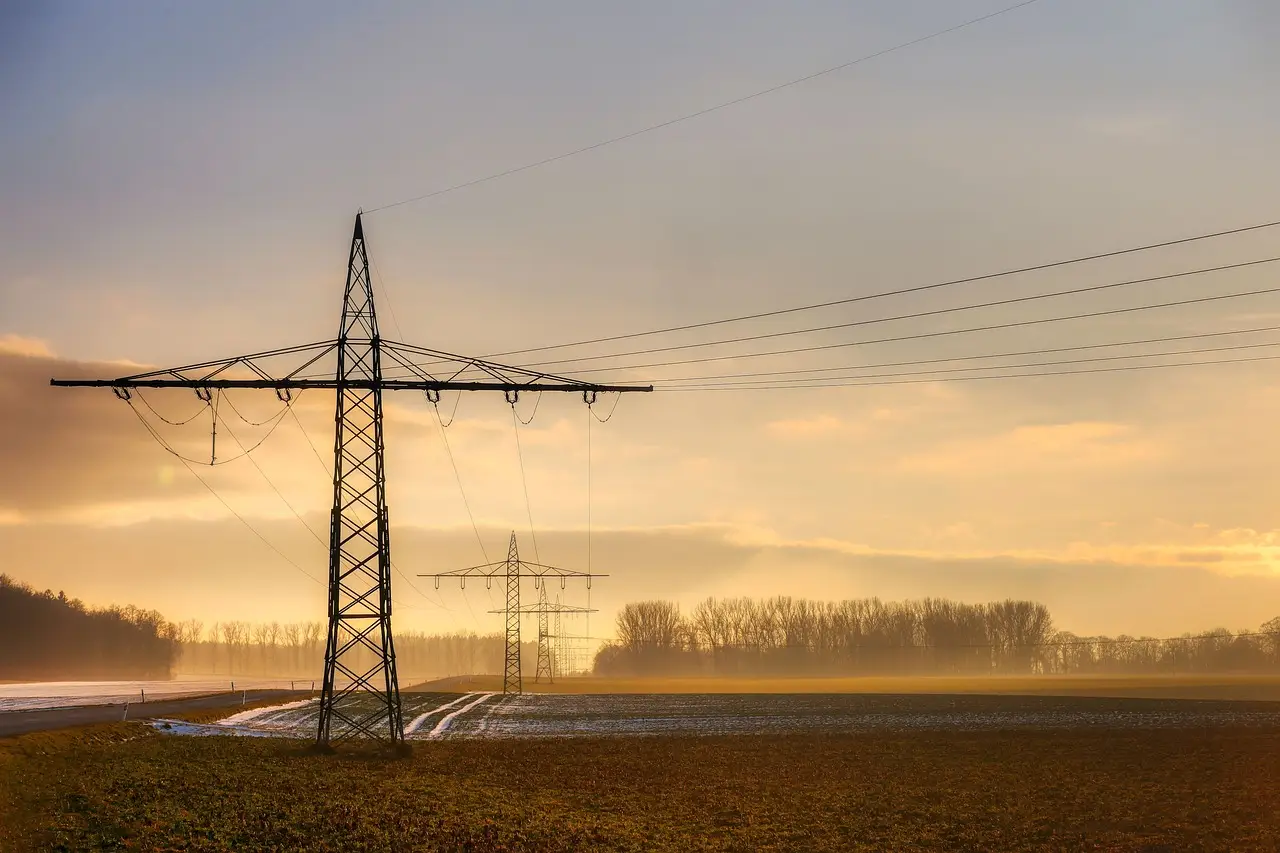
Australia's net-zero buildout needs A$106 billion (US$72 billion) in new investment by 2050, including 6,000 kilometres of new transmission lines — and rural communities hosting that infrastructure say they still don't have a meaningful say in how it lands.
The money is already moving. According to the Clean Energy Council, 141 clean energy projects worth about A$32.5 billion were financed or under construction in the first half of this year. The Australian Energy Market Operator produced the A$106 billion figure, in today's dollars.
The tension sits in who decides. Large developments can consume farmland, load local roads, and pile pressure on housing and essential services in small towns. Communities are being promised a once-in-a-generation wave of investment in return. Not everyone is buying it.
Victoria, with a state election looming, shows how the friction plays out in practice.
What has Victoria actually changed?
Some councils have been sidelined by the state government in key decisions, and planning laws have been changed to fast-track projects. In many areas, community backlash has been fierce.
VicGrid and the Department of Energy, Environment and Climate Action recently released community engagement and social value guidelines. These set minimum expectations for engagement with, and benefits flowing to, communities and landowners who host projects. Unlike New South Wales, Victoria sets no minimum dollar-per-megawatt figure.
The gaps compound the confusion:
- The guidelines cover renewable energy and transmission projects, but exclude projects connecting to the local distribution network.
- Separate compensation arrangements apply to some transmission projects.
- The guidelines are voluntary until mid-2027, when they become mandatory and developer collaboration will be assessed.
- Critical minerals projects fall outside them entirely, governed by separate legislation and still-undetermined community benefit payments.
In short: a noisy, dynamic patchwork for communities and landowners to navigate.
Where has opposition already bitten?
Farmers in north-west Victoria have mounted sustained backlash against the Victoria to NSW Interconnector West (VNI West) transmission project. The state opposition has vowed to scrap VNI West if elected.
Further north, intense community opposition recently pushed the government to abandon its plan for a new renewable energy zone around Dookie.
Some regions are choosing a different route. In north-west Victoria, Wimmera Southern Mallee Development has worked directly with energy developers and government agencies through its Renewable Energy Collaboration partnership, effectively negotiating its own position in the buildout.
What does the new research say?
Research published this month by the Australian Public Policy Institute — based on workshops and interviews with stakeholders in three regional NSW towns affected by renewable energy development — found communities broadly support the shift to clean energy. But it identified three core problems:
- Consultation and engagement were inconsistent and often inadequate, with limited opportunities for communities, including First Nations people, to meaningfully influence planning and decisions.
- Communication and planning processes lacked transparency, clarity and a place-based focus.
- Communities are absorbing significant social and economic impacts, while benefit-sharing and compensation arrangements were seen as inequitable, poorly targeted and lacking long-term community value.
Across all three, the study found trust in industry, government and the planning system was fragile — and that these concerns are already delaying projects in ways that threaten the long-term transition.
What do communities want instead?
The NSW participants didn't stop at complaints. They proposed four policy fixes:
- Minimum, enforceable engagement standards for all major energy projects, prioritising transparency, accountability and trust.
- A benefit-sharing framework co-developed with communities and embedded in planning regulations.
- More support and resources so communities can negotiate how project benefits are shared.
- Place-based planning and governance at every level of government, tailored to local needs.
The study's bottom line: Australia's main barriers to the renewable shift are now social, not technical. Communities aren't rejecting the transition — they want better information, fairer benefits and a genuine role in shaping it.
The date that decides what happens next is mid-2027, when Victoria's engagement guidelines flip from voluntary to mandatory — unless an election intervenes first.
via pv-magazine-australia.com (Source)
More from Daniel Okafor
Show full bio
Correspondent covering companies, deals and strategy in Circular economy and the environmental industry at Circular Wire.
512 articles