Industrial Decarbonization
Aker BP, Höegh Evi Target 150 Million Tonnes of CO2 Storage Offshore Norway
Aker BP and Höegh Evi's Atlas project targets 150 million tonnes of CO2 storage offshore Norway, with up to 6 million tonnes injected yearly and first injection slated for 2031.
Waypoints
Atlas targets 150 million tonnes of total CO2 storage capacity with initial injection of up to 6 million tonnes annually.
DNV issued a Statement of Feasibility for the ship-based injection concept on the Norwegian Continental Shelf.
The EU awarded Aker BP and Höegh Evi $250 million (€223 million) from its Innovation Fund in October 2026.
Final investment decision is targeted for 2028; first injection is slated for 2031, subject to approval.
Norway's Northern Lights began commercial operations in 2025 and plans capacity beyond 5 million tonnes per year by 2028.
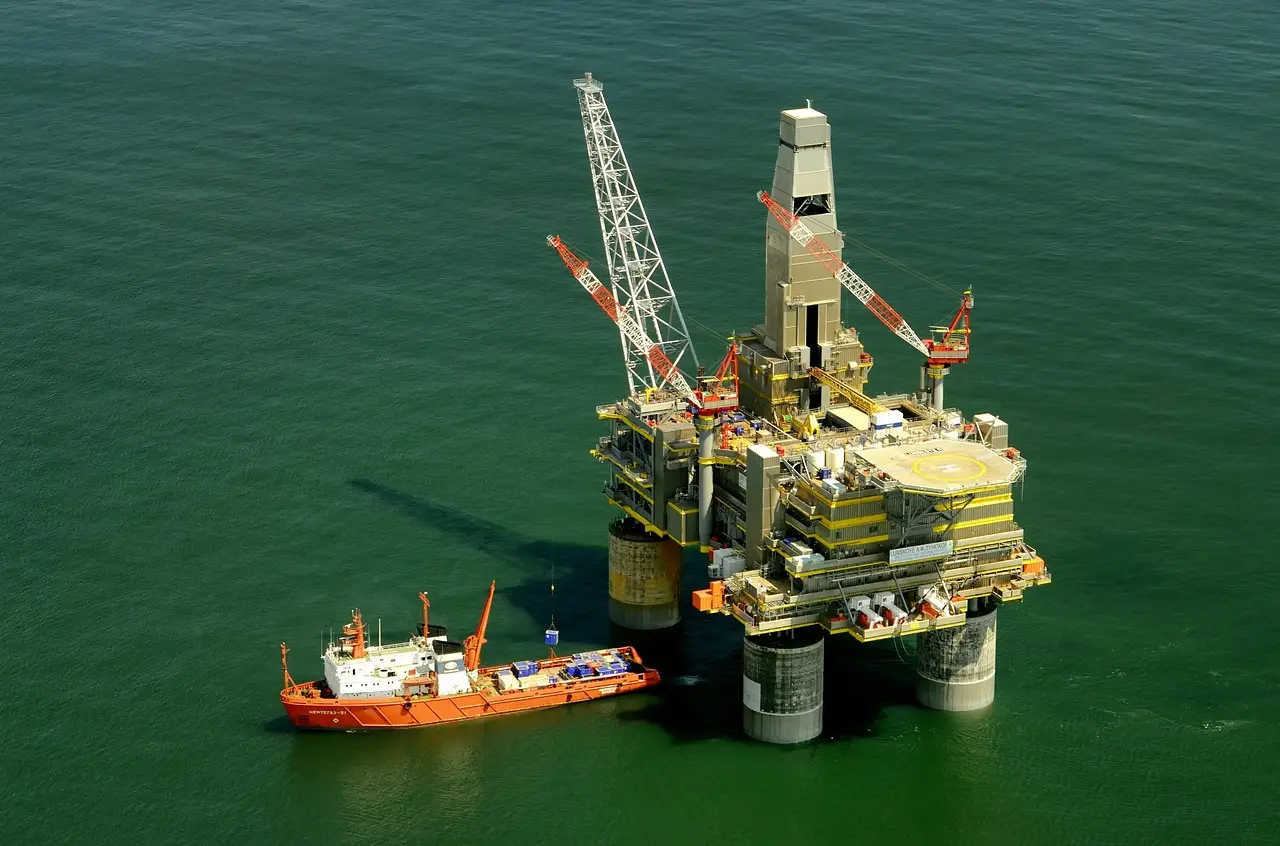
Aker BP and Höegh Evi are advancing a ship-based CO2 transport and offshore injection scheme on the Norwegian Continental Shelf that targets 150 million tonnes of total storage capacity — with first injection pencilled in for 2031.
DNV has issued a Statement of Feasibility for the proposed Atlas project, a milestone that moves the partners toward a final investment decision targeted for 2028. The assessment covers the infrastructure needed to transfer liquefied carbon dioxide from specialised vessels directly into subsea injection wells.
The numbers anchor the case. Atlas is designed to hold roughly 150 million tonnes of CO2 in total, with an initial injection rate of up to 6 million tonnes per year. Operations could run beyond 25 years, subject to investment approval. In plain terms: this is a multi-decade industrial sink, not a pilot.
What does the ship-based concept change?
The Atlas design removes three pieces of infrastructure that typically drive cost and timelines in offshore CCS:
- Dedicated onshore receiving facilities
- Cross-border pipelines
- Permanent offshore structures
Instead, specialised ships would carry captured emissions from industrial facilities across Europe to the storage site, where the CO2 is injected into an underground reservoir from the vessel side.
That is the whole pitch. If ships can offload liquefied CO2 straight into subsea injection wells, storage becomes accessible to reservoirs that pipelines and platforms can't reach economically.
The project sits at the intersection of three streams Aker BP and Höegh Evi are tying together: offshore CO2 storage, carbon capture technology and shipping infrastructure, all aimed at emissions from European industrial sites.
Where does the money come from?
The project picked up a major financial commitment in October 2026, when the European Union awarded Aker BP and Höegh Evi $250 million (€223 million) through its Innovation Fund. That grant sits alongside the technical feasibility work as the two anchors the partners will lean on heading into the 2028 investment decision.
In short: the EU has put real capital behind the concept before a single tonne is injected.
How does Atlas fit Norway's storage build-out?
Atlas enters a market with a proven reference case. Norway's Northern Lights project began commercial operations in 2025, demonstrating that cross-border CO2 transportation and permanent offshore storage can work at industrial scale. Northern Lights' planned expansion will push its annual capacity beyond 5 million tonnes by 2028.
That matters for Atlas in two ways. First, shippers of CO2 now have a functioning Norwegian receiving market. Second, the timelines converge: Northern Lights' expansion lands in 2028, the same year Aker BP and Höegh Evi want to take their final investment decision.
For Norway, the strategic stakes are straightforward. If Atlas delivers, the country strengthens its position as a major destination for Europe's captured industrial emissions — a second large-scale storage hub alongside the Northern Lights corridor.
What happens next?
The challenge now is converting technical feasibility into an operational, commercially viable system. The DNV Statement of Feasibility covers the vessel-to-well transfer concept; it does not itself sanction the project.
The decision points are fixed and dated:
- 2028 — targeted final investment decision by Aker BP and Höegh Evi
- 2028 — Northern Lights expansion to more than 5 million tonnes of annual capacity
- 2031 — targeted first injection at Atlas, subject to investment approval
Everything between now and first CO2 hinges on the 2028 investment decision — that is the milestone that turns a 150-million-tonne storage estimate into a sanctioned facility.
via akerbp.com (Original)
More from Daniel Okafor
Show full bio
Correspondent covering companies, deals and strategy in Circular economy and the environmental industry at Circular Wire.
470 articles