Industrial Decarbonization
Alberta Carbon Storage Project Enters Construction Phase
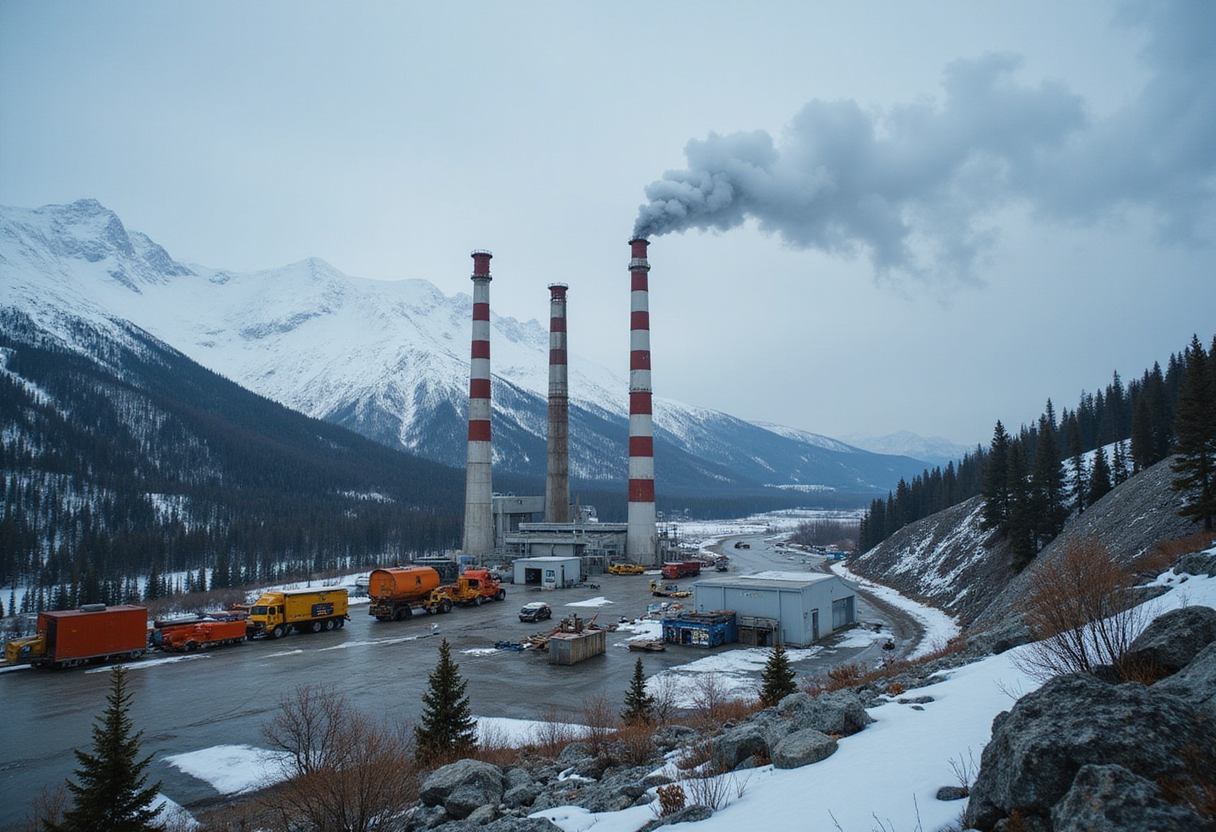
An Alberta carbon storage project has entered construction after completing its engineering phase, moving announced capacity toward built infrastructure.
Waypoints
Alberta carbon storage project has moved into construction
Transition follows completion of an engineering milestone
Project shifts from design studies to wells and surface facilities
First injection remains the decisive milestone ahead
An Alberta carbon storage project has moved from the engineering stage into construction, after the developer completed a design milestone that cleared the path for field work, WestCentralOnline reports.
The transition from front-end engineering to construction marks one of the few points in a carbon capture and storage (CCS) project's life cycle where spending shifts from studies and drawings to steel, wells and surface facilities. Until that threshold is crossed, announced capacity remains a paper figure. After it, capital starts converting into built infrastructure.
What does the engineering milestone actually change?
For carbon storage developments, the engineering phase determines whether a project's design can safely inject and contain CO2 underground at its intended rate. Completing that phase means the developer has resolved the technical questions regulators and lenders expect answered before construction begins: well design, injection infrastructure, monitoring systems and the surface facilities that connect capture sources to the subsurface reservoir.
Construction commencement also separates the project from the larger pool of Alberta CCS proposals that remain at the evaluation or licensing stage. Alberta has attracted a queue of storage concepts in recent years, but only a subset advances into actual building. Each project that crosses into construction converts announced tonnage into capacity the province can eventually count toward emissions reduction.
Why does this matter for the material and emissions stream?
Carbon storage sits at the end of the industrial emissions stream rather than the physical recycling stream, but it follows the same discipline Circular Wire applies to any feedstock: the molecule has to be tracked from source to verified final disposition. In CCS, the "offtake" is a geological formation, and the accountability mechanism is monitoring and measurement of injected CO2 over the storage site's life.
A storage project only delivers on its climate accounting if the injected volumes stay contained. That is why the engineering sign-off — which covers containment design — matters as much as the construction start itself. It is the point at which the developer commits to a specific technical configuration.
What comes next?
The construction phase now determines the timeline. Completions of Alberta storage projects typically hinge on several sequenced steps: drilling and completing injection wells, building surface injection infrastructure, and obtaining the operational approvals that allow CO2 to flow. Construction milestones, not announcements, will indicate whether the project holds its schedule.
The decisive milestone ahead is first injection — the moment the facility begins placing CO2 underground under its approved operating conditions. Until then, the project's capacity remains under construction rather than in service, and its contribution to Alberta's emissions reduction targets remains a commitment to track, not a delivered outcome.
Circular Wire will follow the project through its construction milestones and report when injection operations begin.
via Google News: Industrial decarbonization (Source)
More from Elena Vasquez
Show full bio
Senior reporter covering media and advertising at Circular Wire.
303 articles