Cleantech & Investment
Carney opens door to Chinese automakers as US trade talks stall
Carney says Canada could turn to Chinese automakers if US trade talks fail, after Ottawa cut EV tariffs from 100% to 6.1% under a January deal with Beijing.
Waypoints
Canada cut its tariff on Chinese EVs from 100% to 6.1% under a January agreement allowing up to 49,000 vehicles annually.
Carney meets Xi Jinping this week in Shenzhen, with auto manufacturing on the agenda.
Chinese investment would require substantial Canadian manufacturing, labor standards and domestic supply chains.
Canada threatened to sue Stellantis after Jeep Compass production moved from Brampton, Ontario, to Illinois.
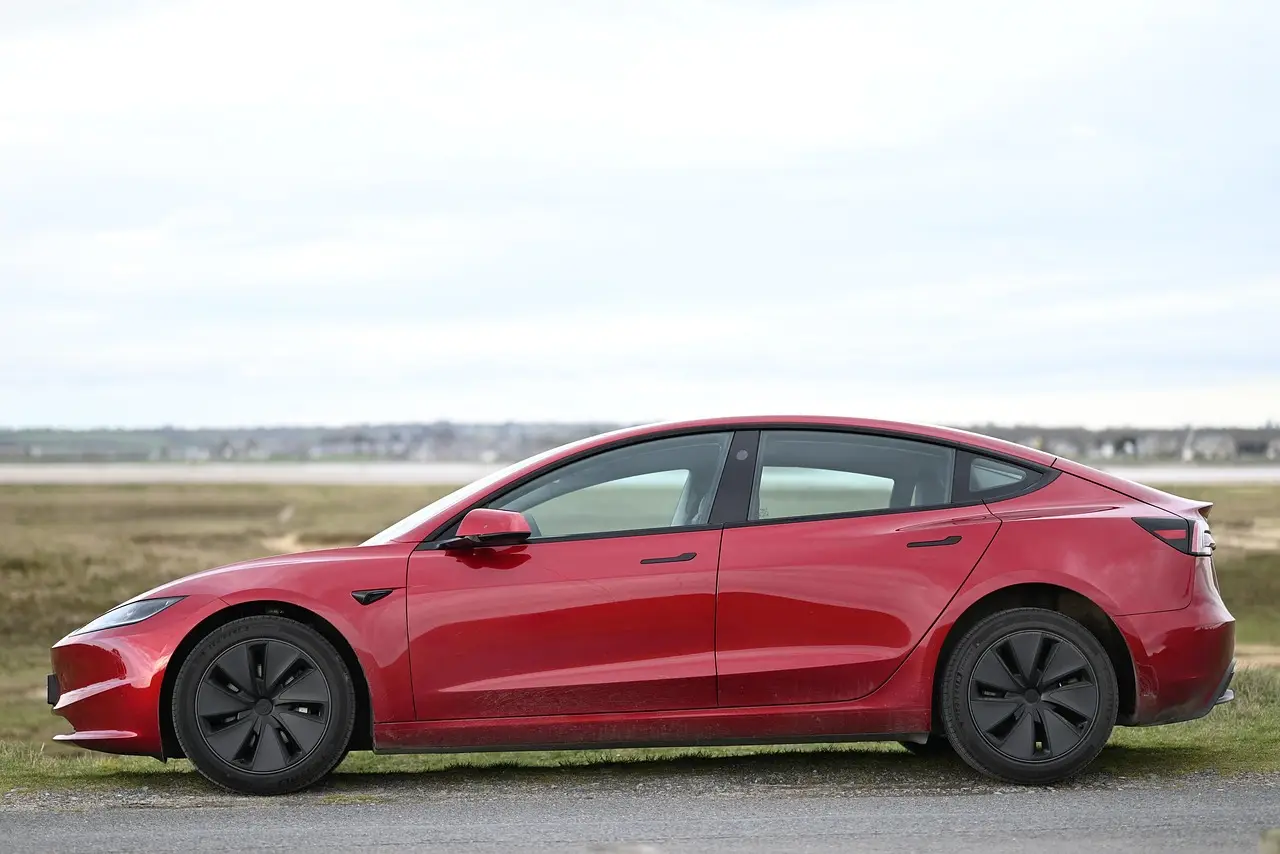
Canada has cut its tariff on Chinese electric vehicles from 100% to 6.1% — and Prime Minister Mark Carney now says Chinese automakers could build in Canada if trade talks with Washington collapse.
Carney made the comments on Monday in Cambodia, ahead of a planned meeting with Chinese leader Xi Jinping this week in Shenzhen. Auto manufacturing is expected to be on the agenda. The two leaders reached an agreement in January allowing tens of thousands of Chinese EVs into Canada at reduced tariffs.
"We have the best auto workers in the world, and we want them fully deployed, full opportunity, in an integrated North American market," Carney told reporters. "That market has become less integrated because of US trade actions."
What does the January deal actually do?
The numbers are concrete. Under the January agreement, Canada dropped its 100% tariff on Chinese EVs to 6.1%, initially allowing up to 49,000 vehicles annually, with the cap rising over time. In exchange, China lowered tariffs on Canadian agricultural products, including canola.
Carney said at the time that he expected the agreement to attract Chinese investment in Canada's auto industry and create jobs.
Not everyone agrees. Ontario premier Doug Ford — whose province is the center of Canada's auto industry — warned that allowing Chinese EVs into Canada could threaten Canadian jobs and jeopardize access to the US market.
Is Chinese investment leverage against Washington?
Carney rejects that framing — with a caveat. Asked directly whether potential Chinese investment was leverage in US negotiations, he answered: "It's not leverage. But action, reaction."
He said Monday that negotiations with the US remain his priority, but the outcome will determine whether Canada pursues alternatives involving European, Chinese or Japanese automakers. A day earlier, in Manila, he said any trade agreement with Washington must leave Canada with a viable auto industry.
"If they [Canada's auto workers] are not fully utilized in a North American context, that provides other opportunities," Carney said. "Canada is going to move forward either way."
What conditions would China have to meet?
Carney set a clear bar: any Chinese investment must involve substantial manufacturing in Canada, not simply assembling imported parts. He laid out three requirements:
- proper labor standards;
- real manufacturing facilities;
- domestic supply chains that expand over time, including Canadian critical minerals used in electric vehicles.
"It's not just about kit cars," he said. "There has to be a manufacturing aspect involved."
That condition speaks directly to how the North American industry currently runs. The Detroit Three — Ford, General Motors and Stellantis — operate factories across Canada, the US and Mexico, with parts sometimes crossing borders multiple times before a vehicle is finished. Trump has repeatedly pushed automakers to shift production from Canada to the US.
The pressure is already showing results Canada doesn't like. Canada recently threatened to sue Stellantis after the automaker moved planned Jeep Compass production from Brampton, Ontario, to Illinois and agreed to sell its idled Canadian assembly plant.
Trump's tariffs have disrupted a Canadian auto sector that depends heavily on cross-border production. That disruption is what pushed Carney toward Beijing in the first place — and toward next week's Shenzhen conversation.
What happens next?
Carney said Saturday that he had spoken at length with Trump and senior US officials, and that the two countries were making progress toward a possible trade agreement, though differences remain.
The decisive milestone is the outcome of those US talks. If they preserve an integrated North American market, the Chinese option likely stays on the shelf. If they don't, Canada's 6.1% tariff door — and the 49,000-vehicle cap behind it — swings wider.
via theguardian.com (Source)
More from Daniel Okafor
Show full bio
Correspondent covering companies, deals and strategy in Circular economy and the environmental industry at Circular Wire.
528 articles