Recycling Industry
COP31 Opens in Antalya as Critics Call Turkey's Zero Waste Pledge Greenwashing
COP31 opened today in Antalya as Turkish critics branded the Zero Waste campaign 'No. 1 greenwashing,' citing burned and dumped European plastic imports.
Waypoints
COP31 opened today in Antalya, Turkey, with thousands of diplomats, executives and leaders attending.
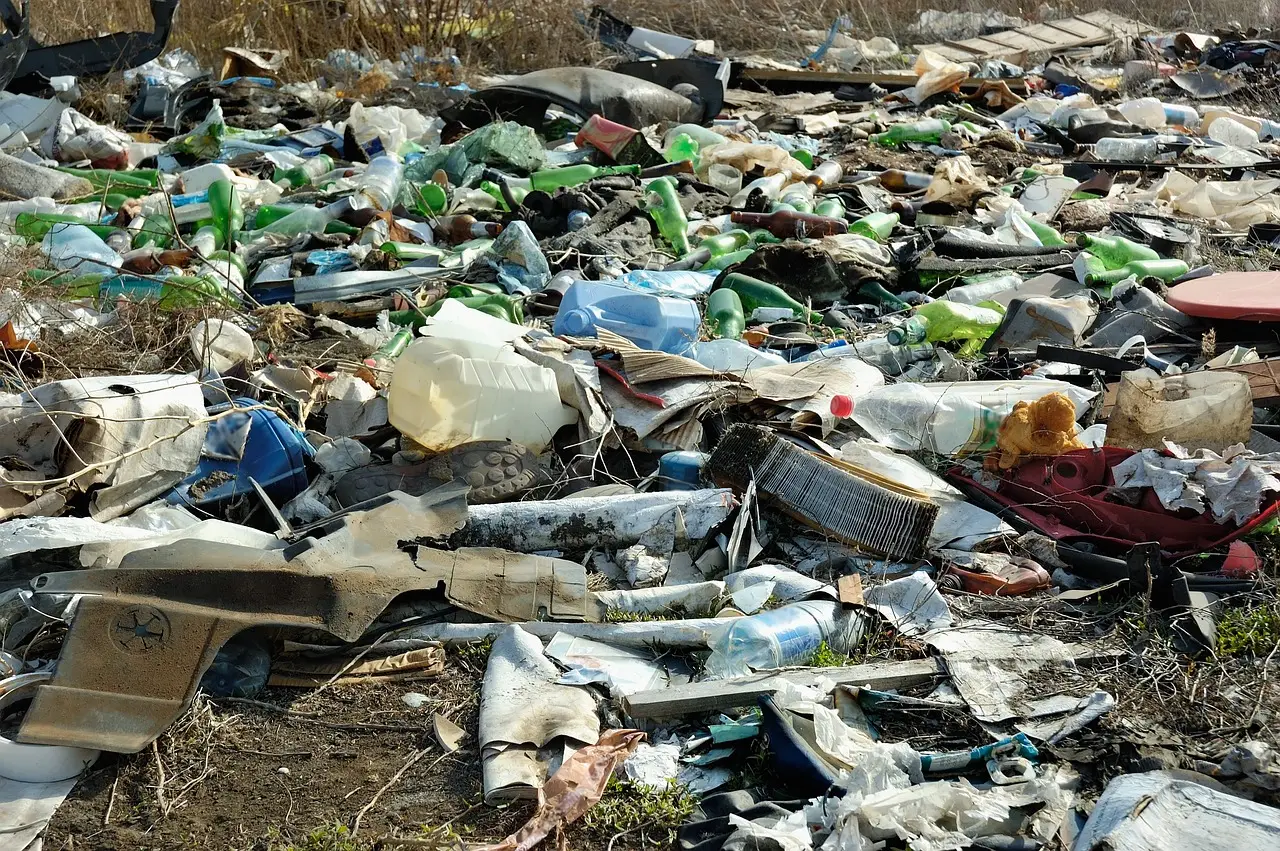
Turkey imports more European plastic waste than any other nation and burns or dumps much of it, per Istanbul Policy Center's Ümit Şahin.
Turkey ratified the Paris Agreement and created a climate ministry in 2021.
COP31 sponsors include Limak Holding, expanding coal mines on olive groves, and Sinpaş GYO, which built inside a national park.
A parallel People's Climate Summit is running alongside the official negotiations.
COP31 opened today in Antalya, Turkey, drawing thousands of diplomats, corporate executives and world leaders to the Mediterranean resort city — and drawing Turkish environmentalists into a parallel protest summit over what they call the host country's top-ranked greenwashing operation: the national Zero Waste campaign.
The stakes for the materials stream are concrete. Turkey takes in more European plastic waste than any other nation, according to Ümit Şahin, head of the climate change program at the Istanbul Policy Center, a Turkey-based think tank. Instead of recycling that imported tonnage, he says, the country burns or dumps much of it.
What does the hosting decision signal?
Turkey ratified the Paris Agreement in 2021 and established a dedicated climate ministry the same year. Şahin reads the COP31 bid as diplomacy first, climate policy second.
"This is kind of a showcase for capabilities for being a serious middle power, a global player, etc.," Şahin said. "I think most important driver was about prestige and showcase."
He credits two forces with breaking decades of Turkish foot-dragging on climate agreements: deadly wildfires at home roughly five years ago, and European trade taxes — the carbon border regime that prices out high-emission exports. Neither, in his assessment, has yet produced a workable policy architecture.
"There are some action plans, strategies, a lot of paperwork, but not a real climate policy," Şahin said.
Is Zero Waste recycling or rebranding?
The flagship program in question is Turkey's Zero Waste campaign, officially aimed at recycling or reusing all waste materials. Şahin's critique cuts directly at the import side of the equation: if the pledge is genuine, the feedstock flows have to change first.
"If Turkey is real and sincere about Zero Waste, first thing, it needs to ban plastic waste import. And this Zero Waste thing is our No. 1 greenwashing," Şahin said.
That framing matters for European exporters tracking where their collected plastic actually lands. If the largest single destination for European plastic waste is burning or landfilling the material, then recycling rates claimed at the point of collection don't survive the border.
Who is sponsoring COP31?
Activists point to the summit's corporate sponsors as evidence of the gap between image and operations:
- Limak Holding, an infrastructure giant that critics say is expanding coal mines on ancient olive groves.
- Sinpaş GYO, a real estate developer that activists say poured concrete inside a national park to build a luxury resort.
The Turkish Ministry of Climate did not respond to NPR's request for comment on the criticism.
What pressure is building alongside the summit?
A parallel People's Climate Summit is running to challenge the official program. Çiğdem Özbaş, a Turkish volunteer at this year's event, accuses the government of stripping local environmental protections, favoring business interests over farmers and rural communities, and suppressing domestic dissent.
"There will be lots of lies about technological solutions. There will be lots greenwashing companies who are doing lots of ecological ecocide," Özbaş said.
Is there an opening for real policy?
Not everyone in Turkish civil society reads the moment as purely reputational. Özlem Katısöz, with the Turkey chapter of Climate Action Network Europe, sees COP31 as leverage — a hosting obligation that forces the government to confront its own legal and regulatory record.
"Turkey should work to improve the overall climate — global climate policies, sort of move forward. It has to sort of improve its own domestic climate policies to have a credible say in the global discussions," Katısöz said.
Hosting the summit, she argued, creates an opening for Turkish civil society to hold the government accountable at a moment when international attention is fixed on Ankara's record.
For practitioners watching the waste trade, the test is specific: whether Turkey bans plastic waste imports, as Şahin demands, or keeps the flows coming while the Zero Waste branding does the work.
via feeds.npr.org (Source)
More from Elena Vasquez
Show full bio
Senior reporter covering technology and product news in Circular economy and the environmental industry at Circular Wire.
491 articles