Plastics & Chemical Recycling
EMV Capital Acquires Rotterdam Plastic Recycling Plant
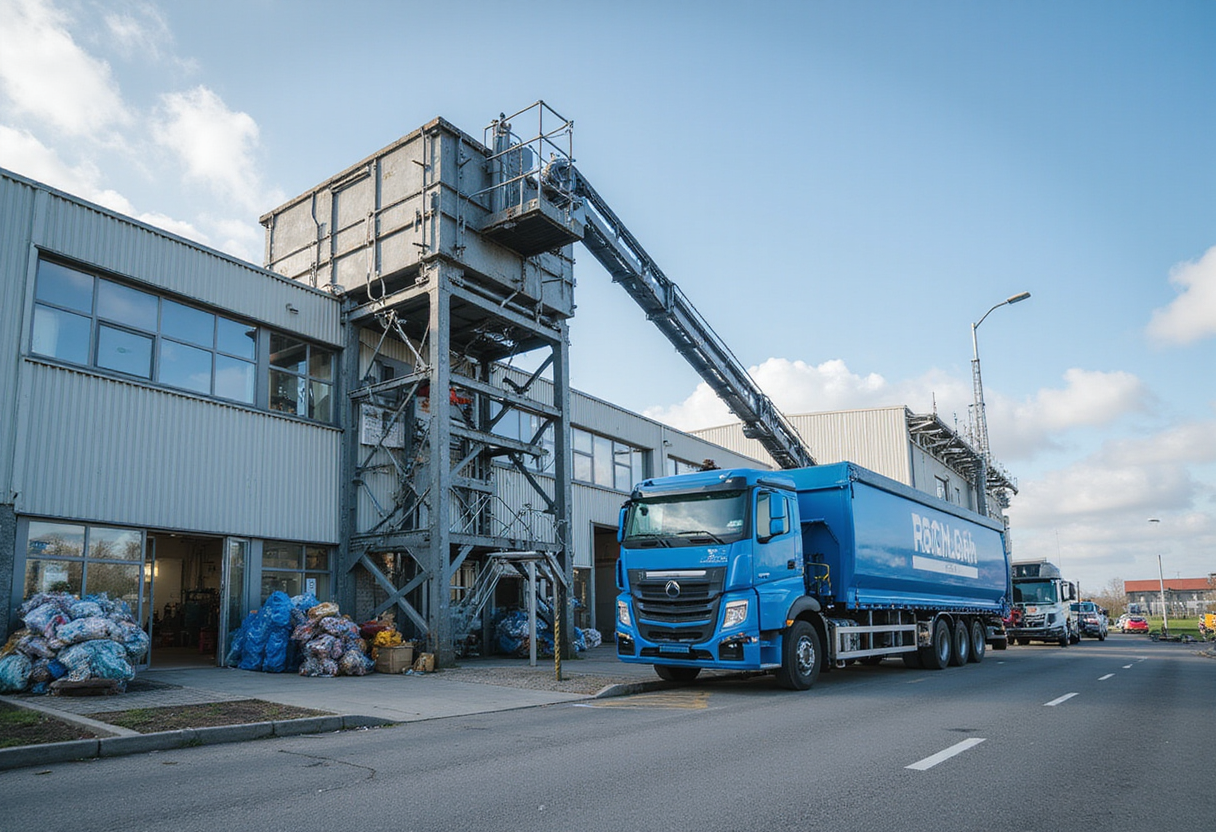
EMV Capital has acquired a Rotterdam plastic recycling plant, ChemAnalyst reported this week, though no deal value, throughput, polymer focus or closing date accompanied the headline.
Waypoints
EMV Capital has acquired a plastic recycling plant in Rotterdam, per ChemAnalyst
No deal value, throughput, polymer focus or closing date accompanied the headline announcement
The plant sits inside Europe's largest petrochemical and deep-water logistics cluster
EMV Capital is a London-listed growth investor in clean-energy and resource-efficiency assets
Industry expects capacity, polymer and offtake disclosures within 30 to 90 days
EMV Capital has acquired a plastic recycling plant in Rotterdam, ChemAnalyst reported this week. The announcement disclosed no deal value, throughput, polymer focus or closing date.
What does the headline actually tell us?
ChemAnalyst's brief names only the acquirer (EMV Capital), the target function (plastic recycling) and the location (Rotterdam).
No capacity figure, polymer type, line count, permit reference or workforce number accompanied the headline. Without a parallel press release, regulatory filing or investor presentation, the asset's place in the European recyclate supply curve remains unquantified.
Trade-press norms in the sector typically place this kind of detail in a follow-up release within four to twelve weeks of an initial acquisition announcement.
Why Rotterdam shapes feedstock economics
Rotterdam hosts Europe's largest petrochemical and deep-water logistics cluster, anchored by the port complex and adjacent chemical parks.
A plastics recycling asset inside that complex reaches post-consumer and post-industrial feedstock generators across the Netherlands, Belgium and Germany within a short-haul window. Converters in the UK, France and Southern Europe are reachable on standard freight terms.
Location does not determine throughput, but it sets the ceiling on feedstock pull and the floor on logistics cost per tonne. Overseas bale imports can land at the same berths that supply virgin-polymer plants.
What kind of investor is EMV Capital?
EMV Capital is a London-listed growth investor targeting clean-energy, industrial-innovation and resource-efficiency companies.
Its disclosed portfolio spans battery materials, hydrogen, power electronics and waste-to-value assets. A Rotterdam plastics-recycling plant, on present evidence, would sit at the operational end of that mandate, marking the firm's first direct exposure to polymer recovery if the deal closes as described.
The investor typically takes minority or majority stakes in early-revenue technology companies, suggesting the Rotterdam asset may carry a growth capex programme rather than a fully optimised footprint.
How does this compare with recent European deals
The European plastics-recycling M&A market has split into two cohorts over the past two years. Mechanical-recycling assets with secured offtake have transacted at compressed multiples, reflecting mature cash flow and feedstock risk.
Chemical-recycling projects have moved at higher multiples, reflecting pre-commercial or scale-up status.
Without a process designation for the Rotterdam plant — mechanical, chemical, or hybrid — the asset cannot yet be benchmarked against either cohort. That designation, when it lands, will be the first datapoint trade participants need.
What will decide the next milestone
The decisive data points are annual capacity in tonnes, polymer portfolio (PET bottle grade, HDPE, mixed polyolefins or engineering plastics) and line count.
Permit status under Dutch and EU waste-shipment rules, offtake contracts with brand owners or converters, and any subsequent expansion announcement will mark the milestones worth tracking in the next two quarters.
Each trigger carries a specific consequence: capacity sets the supply footprint, polymer mix sets the end-market, permits set the compliance envelope, offtake sets the revenue floor.
What remains undisclosed
Deal value, financing instruments, brand continuity, retained offtake agreements and any post-acquisition capex commitments all remain off the record.
The plant's prior ownership structure — corporate, private-equity or family-controlled — has not been confirmed by either side.
Industry participants typically expect such details to surface in regulatory filings, investor presentations or follow-up press releases within 30 to 90 days.
How to read this for the European recyclate market
On present evidence, the transaction reads as a portfolio reshuffle rather than a capacity event.
The first tonnage disclosure, the first polymer-line announcement and the first offtake contract will determine whether the deal moves the regional supply needle or simply changes ownership.
For converters balancing recycled-content commitments against virgin-polymer price volatility, the question is not the headline but the operating data behind it.
via Google News: Chemical and plastics recycling (Source)
More from Daniel Okafor
Show full bio
Correspondent covering consumer brands and retail at Circular Wire.
285 articles