Compliance & Policy
EU-UK summit targets three linked deals and Made in Europe access
Brussels talks could link food standards, emissions trading and youth mobility, but Made in Europe, tuition guarantees and the number of youth visas remain unresolved.
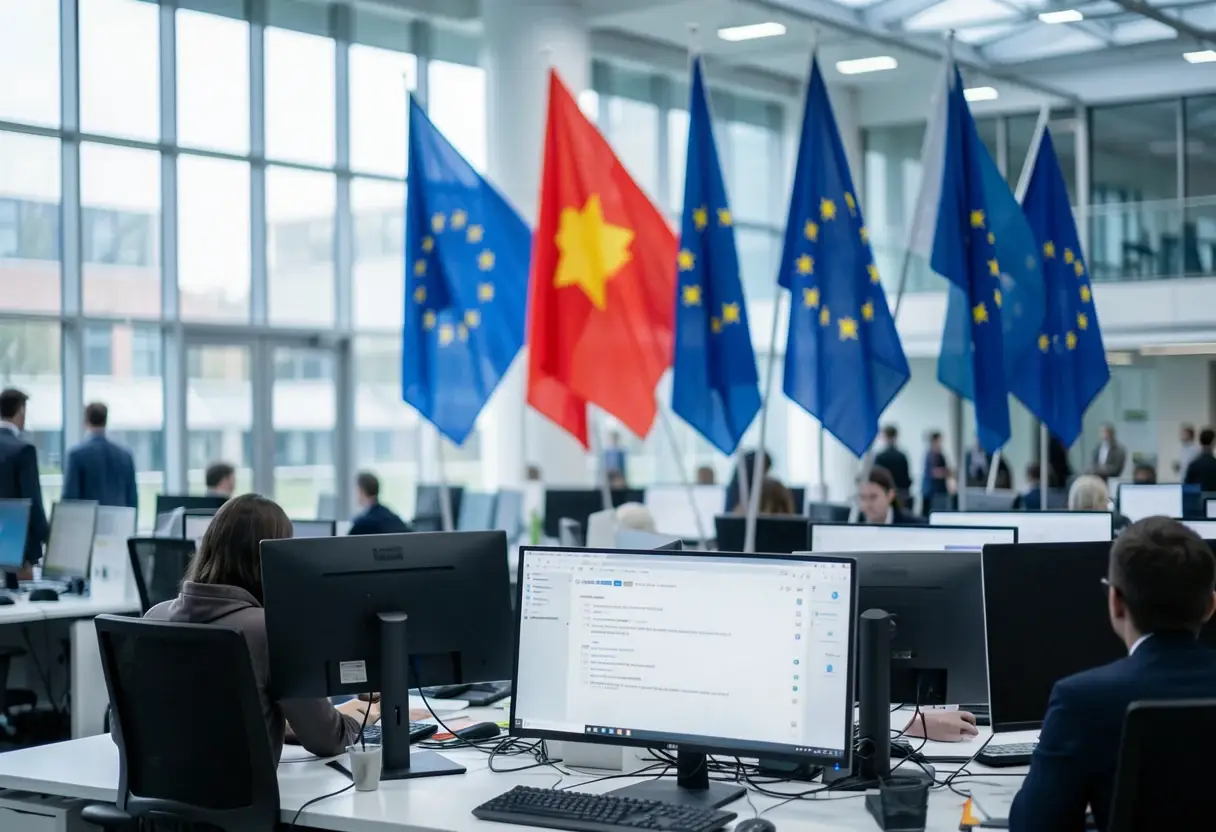
By Rebecca Stone
Three linked EU-UK agreements face a Brussels summit on Friday, with the food deal not expected before 2028 and the youth mobility scheme potentially as late as 2030.
Prime Minister Andy Burnham, European Commission President Ursula von der Leyen and European Council President António Costa are due to attend the second EU-UK summit since Brexit, intended to shape Britain’s longer-term relationship with the bloc. It follows last year’s inaugural summit in London, originally scheduled for July before Keir Starmer resigned.
What could Friday’s summit deliver?
All three proposals began under Starmer’s government, and both sides hope to announce them on Friday. EU negotiators have linked the package, warning that the agreements must enter into force together.
- Food and drink: An agreement would remove Brexit red tape and make it easier to trade animal and plant products, including meats, cheese, wine and flowers. Negotiators do not expect it to take effect until 2028. UK alignment with EU standards would require the government to abandon a planned ban on foie gras imports.
- Emissions trading: A pact would reconnect Britain’s emissions trading system with the larger EU system, restoring a link severed by Brexit. EU and UK businesses would each be exempt from the other side’s charges on high-carbon imports such as steel, cement and electricity. The deal also requires UK alignment with relevant EU rules.
- Youth mobility: A scheme would give people aged 18 to 30 the right to live, work, travel and study on both sides of the Channel for up to three years. It may not operate until 2030.
EU negotiators want EU students to pay the UK domestic university rate, around four or five times lower than the international fee. With less than 24 hours before the summit, the annual participation limit remained unsettled: the EU wants 100,000 visas a year, while the UK seeks 50,000 to 80,000 to keep migration numbers down.
Will Britain enter Made in Europe?
Britain will not gain access on Friday. It is pressing for inclusion in Made in Europe, an EU plan that favours bloc companies when public money supports electric cars, renewable energy and nuclear technology. Inclusion is a priority for Burnham’s government, which has dangled major tuition concessions to keep British firms from being shut out.
Although many EU member states support British participation, France and the European Parliament hold stricter positions. EU lawmakers have not finalised the Industrial Accelerator Act, the law behind the plan, which is not expected to reach agreement until spring 2027.
The European Commission proposed delaying agreement on tuition fees by six months, but member states now demand precise guarantees of equal treatment for EU students.
Access would also require the UK to sign up to EU trade-defence policies. The EU has imposed high tariffs on “unfairly subsidised” Chinese electric cars and fears that Chinese companies could set up in Britain and sell into the bloc. The UK says it can guard against circumvention without copying EU policy.
An earlier summit text proposed a trusted partnership on economic security, but officials downgraded it to a partnership, signalling possible tensions.
What lies beyond the three headline deals?
The draft summit statement opens the door to British integration in European policies on energy, crime-fighting, educational exchange, technology and foreign-policy cooperation.
The sides expect to reach an agreement next year that returns the UK to the EU’s internal electricity market. Germany, Belgium, the Netherlands, Denmark and Luxembourg support the move because they regard British participation as essential to the emerging North Sea green-power boom.
Market access would require the UK to contribute to the EU budget to support development in poorer regions. After 2027, the two sides will explore UK participation in Erasmus; the current arrangement covers only the 2027-28 academic year.
The EU appears ready to expand mutual-recognition talks on professional qualifications beyond architects. The sides will sign a digital partnership that includes joint work on AI safety, and they will examine data-sharing on law enforcement and border management.
Is this a route back into the EU?
These measures do not bring Britain within the EU’s single market or customs union, and the country has no decision-making powers inside EU institutions.
Burnham plans to set out long-term options for the relationship after this week’s summit. In a Monday speech, he said: “The hard Brexit we were given is not good enough for Britain.” Some cabinet ministers fear reopening Brexit divisions, and Burnham has said the process will take time.
He also insisted: “At every stage the British people will be the boss.” EU officials welcome British interest in rejoining but remain wary of a protracted negotiation that a future anti-EU government could reverse. EU insiders say Britain, once again, must define what it wants.
The decisive near-term test is whether the summit settles tuition guarantees, annual visa volume and the linked entry into force of all three agreements. The next market milestone comes next year with the electricity-market agreement; Made in Europe still depends on the Industrial Accelerator Act reaching agreement, not expected before spring 2027.
via theguardian.com (Source)
More from Rebecca Stone
Show full bio
News editor covering companies, deals and strategy in Circular economy and the environmental industry at Circular Wire.
540 articles