Plastics & Chemical Recycling
Explosion and Fire Injure Worker at Battle Creek Plastic Recycling Plant
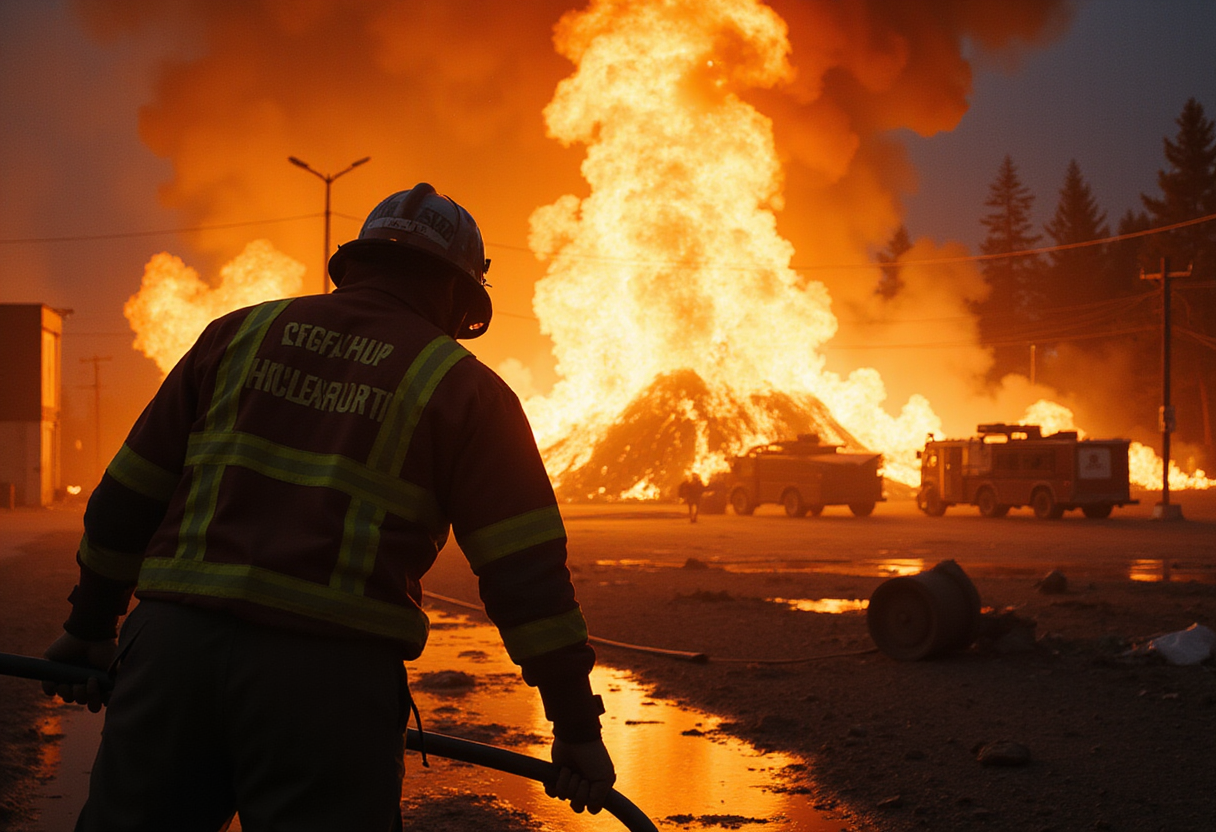
A worker was injured in an explosion and fire at a Battle Creek, Michigan plastic recycling facility, WZZM13 reports. MIOSHA and fire investigators will determine the cause and enforcement path.
Waypoints
A worker was injured in an explosion and fire at a plastic recycling facility in Battle Creek, Michigan
The facility, equipment involved, and injury severity have not been disclosed
Michigan OSHA inspection and the fire department's origin-and-cause report will determine enforcement and restart timeline
A worker sustained injuries in an explosion and subsequent fire at a plastic recycling facility in Battle Creek, Michigan, according to a report from WZZM13. The incident adds another entry to a growing log of fire and explosion events at plastics recovery and processing sites across the Midwest, where combustible material streams, stored flammable feedstock, and thermal processing equipment intersect on a single industrial footprint.
Details on the specific facility, the equipment involved, and the severity of the worker's injuries have not been released. Local responders and Michigan workplace-safety authorities will determine what triggered the blast — a question that matters well beyond Battle Creek, because plastics recycling plants carry a distinct risk profile tied directly to the material stream they handle.
Baled and flaked plastics, particularly polyethylene and polypropylene, store enormous fuel loads. Densified feedstock burns hot and fast once ignited. Extruders, granulators, and pelletizing lines add heat sources and, in some operations, flammable solvents or recovered gases. Dust from grinding operations creates deflagration hazards in enclosed spaces. An explosion at such a site usually points to one of these failure modes: an ignition source meeting an accumulated fuel load, a process vessel overpressurizing, or electrical equipment operating in an area where combustible dust has collected.
For the recycling sector, worker injuries of this kind carry consequences that extend past the human toll. Insurance carriers have tightened terms for material recovery facilities in recent years precisely because of fire frequency, and a documented explosion with injury raises premiums and may trigger stricter underwriting requirements — sprinkler upgrades, thermal-imaging patrols, lithium-ion screening protocols — for operators in the region. Buyers of recycled resin also watch incident reports: fire damage can take a processing line offline for months, tightening supply of flake and pellet in the grades the plant produced.
The regulatory clock now starts. If the injury meets reportable thresholds, the Michigan Occupational Safety and Health Administration will open an inspection, and its findings — citation or closure — typically publish within six months. The Battle Creek Fire Department's incident report will establish origin and cause, and that document often determines whether the operator faces enforcement, insurance litigation, or both. Where flammable liquids or hazardous materials were involved, the Michigan Department of Environment, Great Lakes, and Energy may review storage compliance as well.
The industry context makes the incident hard to dismiss as isolated. Fire departments in Michigan and neighboring states have reported a sustained rise in calls to recycling and scrap facilities over the past decade, driven partly by battery contamination in inbound bales and partly by the sheer growth of plastics processing capacity as brands push recycled-content mandates. Capacity announcements in plastics recycling routinely tout tonnage and output quality; incident data like this are the operational counterweight, a reminder that throughput expansion must track with fire protection, dust control, and worker training.
For Battle Creek specifically, the plant's return to service will depend on the extent of fire damage and the pace of any regulatory inspection. If the facility processes material under contract with municipal or commercial suppliers, those tonnages will need rerouting in the interim — a familiar logistical scramble for generators when a regional processor goes down.
What happens next turns on three things: the condition of the injured worker, the fire department's origin-and-cause determination, and whether MIOSHA opens a formal enforcement action. Those documents, when they surface, will tell the sector whether this was an operator failure, an equipment failure, or a hazard the industry has not yet engineered out of the plastics recycling buildout.
via Google News: Chemical and plastics recycling (Source)