Plastics & Chemical Recycling
Explosion and Fire Injure Worker at Battle Creek Plastic Recycling Plant
One worker is injured after an explosion and fire at a plastic recycling facility in Battle Creek, Michigan; cause, operator and restart timeline still unconfirmed.
Waypoints
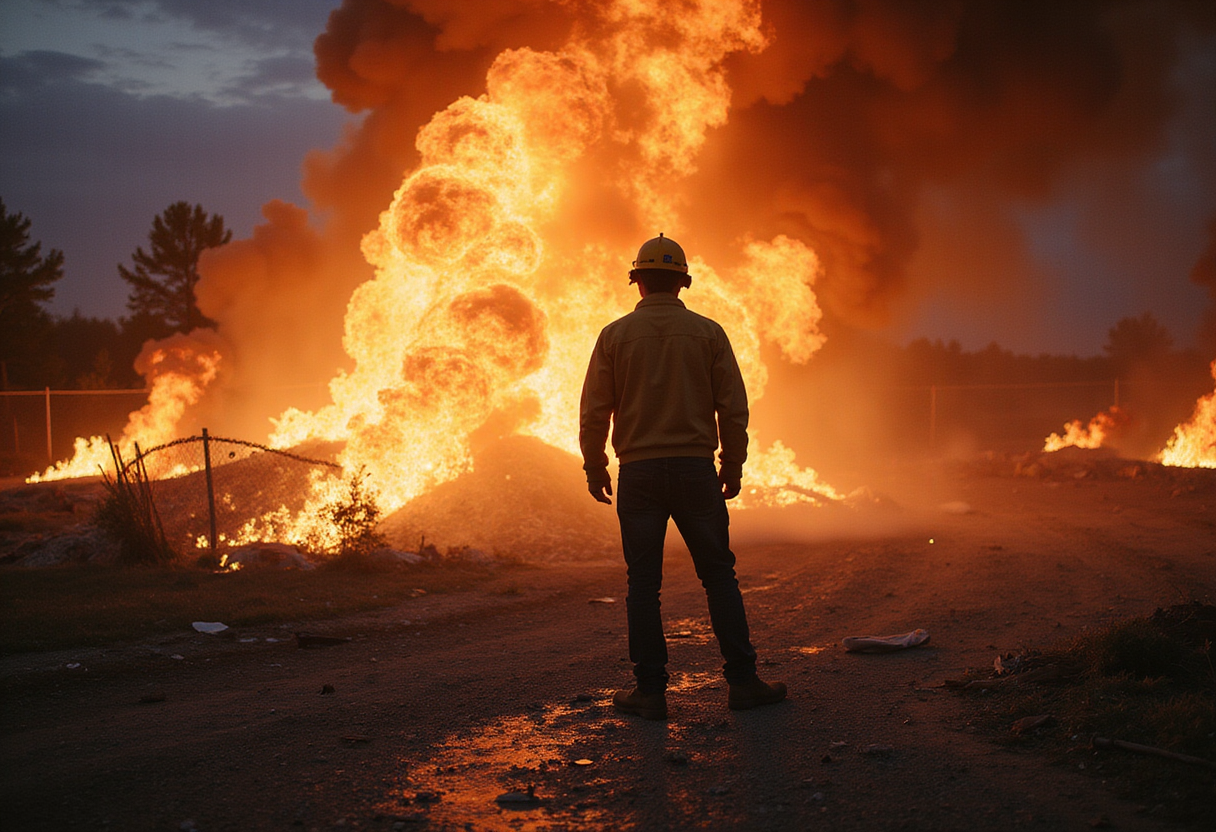
An explosion and fire at a plastic recycling facility in Battle Creek, Michigan, injured one worker.
The facility's name, the worker's condition and the cause of the blast have not been confirmed.
The incident is likely to draw review under Michigan OSHA workplace-explosion investigation procedures.
An explosion and subsequent fire at a plastic recycling facility in Battle Creek, Michigan, has injured one worker, local media report. The incident places a fresh spotlight on process-safety exposure across the U.S. plastics reclamation sector, where thermal events remain one of the most common causes of plant shutdowns, injuries and insurance losses.
Details on the injured worker's condition were not disclosed in the initial report. The facility's name, the specific unit involved and the timeline of the emergency response have not yet been confirmed by authorities or the operator. WZZM13, the outlet that first reported the event, published the incident under the headline "Worker hurt in explosion, fire at Battle Creek plastic recycling facility."
Battle Creek, in Calhoun County, hosts a cluster of materials-handling and processing operations. What remains unknown at this stage is which stage of the recycling chain — baling, grinding, washing, extrusion or storage — generated the initial ignition. Each carries distinct fire and explosion risks that operators and regulators have tracked with growing urgency as plastic recycling capacity expands nationally.
Why thermal events dominate recycling-plant incident records
Plastic recycling facilities concentrate several well-documented ignition pathways under one roof. Size-reduction equipment — shredders and granulators — can generate sparks and friction heat when tramp metal enters the infeed stream. Conveyors, balers and electrostatic separation units add electrical sources. Dust and fines from grinding create combustible-dust hazards that fall under NFPA 652 and NFPA 654 requirements for dust hazard analyses.
Downstream, extrusion and pelletizing lines run at temperatures high enough to ignite accumulated polymer residue, melted plastics and vapors. Storage areas stacked with baled flake, film and regrind hold large fuel loads that complicate suppression once a fire takes hold. Fire services across North America have repeatedly flagged recycling and waste-processing sites as high-callout, high-risk occupancies for exactly these reasons.
The sector's incident record is long. Fires at materials recovery facilities and plastics plants routinely force multi-week outages, trigger environmental releases from burning polymer stocks and draw scrutiny from state occupational-safety agencies. Whether any of these specific factors played a role at the Battle Creek site will depend on the findings of the fire investigation and any subsequent enforcement review.
What comes next
Three things will determine the operational and regulatory fallout from this incident. First, the severity of the worker's injuries and whether the case enters the Michigan Occupational Safety and Health Administration's inspection pipeline — MIOSHA investigates workplace explosions and can issue citations covering machine guarding, hazard communication and emergency-response planning.
Second, the fire cause determination. An ignition traced to equipment failure, hot work or dust accumulation typically widens liability and can compel engineering fixes before restart, extending downtime.
Third, the operator's disclosure. Facility identity, installed capacity and the affected process lines will anchor whether this remains a contained single-line incident or a full-plant outage with downstream effects on regional plastic flake and pellet supply.
Circular Wire will track the incident report, any MIOSHA enforcement action and the facility's restart timeline as they emerge.
via Google News: Chemical and plastics recycling (Source)