Recycling Industry
First Solar Panels Reach End of Life, and a Recycling Sector Forms
The first generation of installed solar panels is now wearing out. A dedicated recycling industry is beginning to take shape around the arriving waste stream.
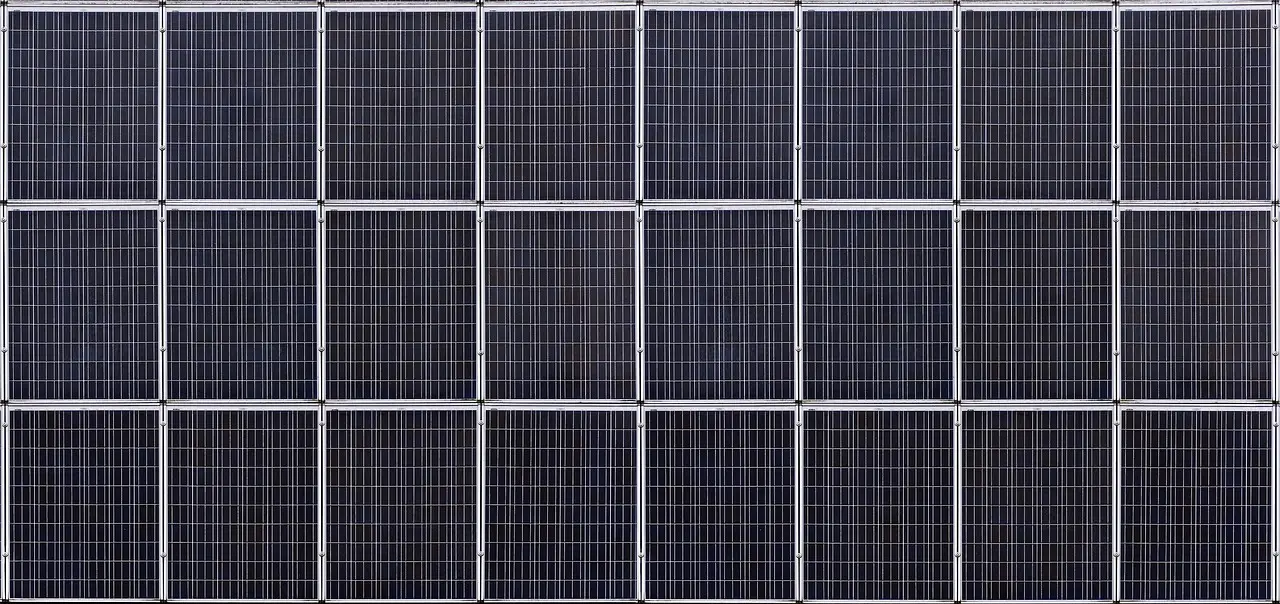
Waypoints
The first generation of installed solar panels is now reaching the end of its service life.
A recycling industry dedicated to end-of-life photovoltaic modules is taking shape.
Retired panels constitute a distinct and growing waste stream within electronics recycling.
The first generation of installed solar panels is wearing out, and a recycling industry to receive them is only now taking shape. That single sentence, reported by the Associated Press, contains the whole assignment for the solar waste sector: the material is arriving before the processing capacity exists to match it.
This is not a hypothetical. The panels that carried the early build-out of solar power — the modules installed when photovoltaic deployment first scaled — have now served their working lives. Equipment does not retire on a press-release schedule. It retires when it retires, and the first cohorts are done.
What is actually happening on the ground?
End-of-life modules are entering the waste stream as a distinct material category. A solar panel is a laminated composite: glass, polymer encapsulant, silicon cells, metals, and a frame engineered to survive decades outdoors. That durability, a virtue in service, becomes the central problem in disassembly. The industry built the product to resist coming apart.
A recycling sector is forming to answer that problem. Companies are positioning themselves to take back, dismantle, and recover the constituent materials of retired panels. The activity is real, reported on the ground by AP journalists visiting the operations. It is also early. What exists today is a first cohort of processors confronting a flow that will grow steadily as successive installation vintages cross their end-of-life threshold.
The defining feature of this market is timing. Solar deployment expanded in waves, and each wave becomes a future waste cohort roughly two to three decades later. The earliest wave has landed. The larger ones are still in the queue.
Announced intent versus built capacity
Trade readers will recognize the pattern from every matoring scrap stream: collection promises arrive before processing lines do. The AP report describes an industry in formation, not an industry at scale. That distinction matters.
An industry "taking shape" means entrepreneurs are entering, facilities are being established, and processes are being developed to separate panel components at recoverable quality. It does not yet mean a dense national network of high-throughput plants with established offtake for every recovered fraction.
The honest ledger reads as follows:
- Retired panels: arriving now, in growing volumes.
- Dedicated recycling capacity: emerging, first movers on site.
- Mature, high-throughput infrastructure: not yet built.
- The gap between those lines: the business opportunity and the policy problem, in equal measure.
Why the economics are not settled
Panel recycling sits in an awkward commercial position. The recoverable mass of a typical module is dominated by glass — bulky, heavy, and cheap. The higher-value fractions, including silicon and silver, are present in small quantities and locked inside laminate structures that resist separation. Recovering them at a price the market will pay is the technical and financial puzzle the new entrants are working to solve.
Landfill tipping fees remain the competitor. Where disposal is cheap and recycling mandates absent, the recycler must win on cost or lose the tonnage. Where policy assigns responsibility for end-of-life panels to producers, the economics tilt the other way. The pace at which this industry scales will track policy design at least as closely as it tracks process engineering.
The sector should watch for the usual instruments: extended producer responsibility schemes, landfill bans on photovoltaic waste, and recycling-content or recovery-rate targets attached to module sales. Each converts an obligation into a tonnage stream with a payer attached.
What decides what happens next
For an industry whose raw material arrives on a decades-long delay from past investment decisions, the growth curve is unusually legible. Today's decommissioning volumes were fixed by installation figures from many years ago. Today's installations fix the volumes of the 2040s and beyond. Forecasters in this niche do not extrapolate; they read old sales ledgers.
The milestone to track is the first binding regulatory framework that assigns end-of-life responsibility for solar panels at a state or national level, because that instrument will decide whether the taking-shape industry scales into infrastructure or stalls as a cottage trade. The panels have kept their side of the schedule. The recycling industry is now racing to keep its own.
via Google News: Recycling industry (Source)
More from Olivia Hart
Show full bio
Staff writer covering regulation, policy and their impact on Circular economy and the environmental industry at Circular Wire.
423 articles