E-Scrap & Battery Recycling
Glencore Acquires Li-Cycle: What the Deal Signals for Battery Recycling
Glencore has acquired Li-Cycle, taking the Toronto battery recycler's hydrometallurgical portfolio in-house and reshaping the North American black mass market.
Waypoints
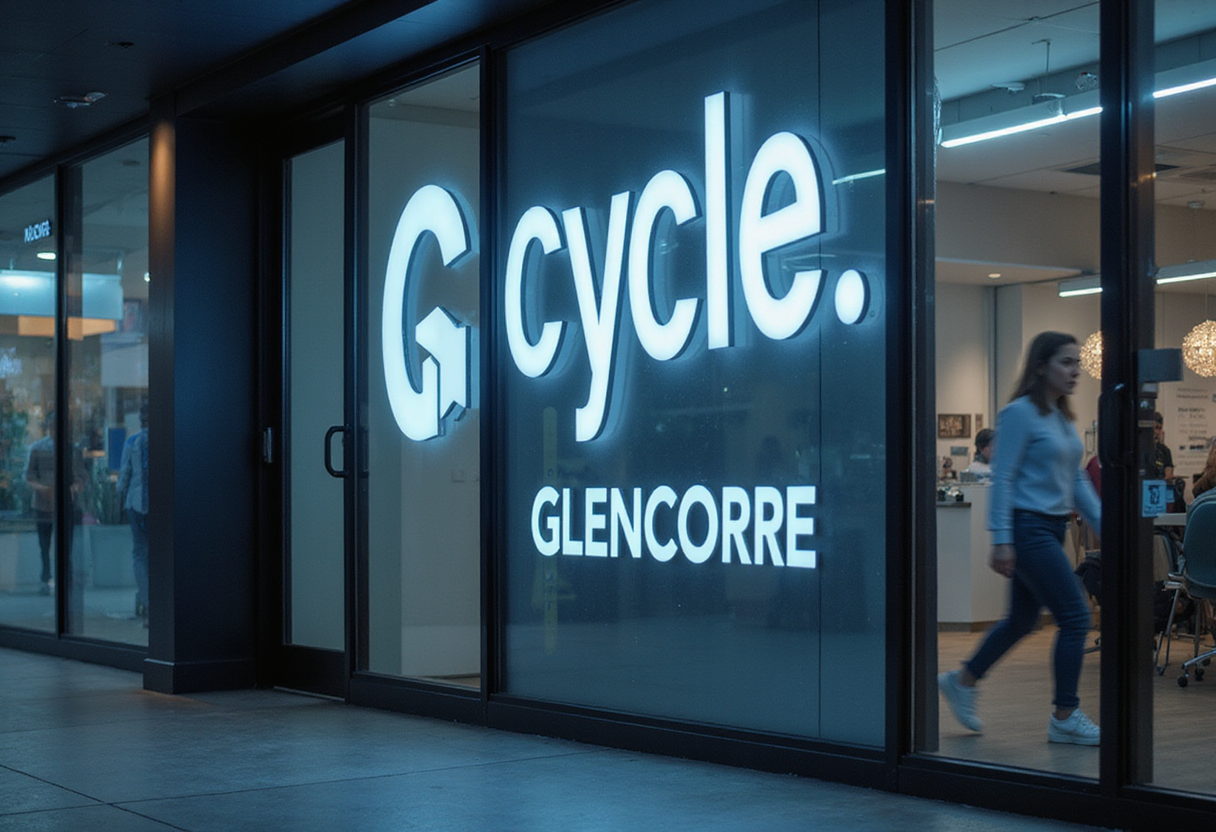
Glencore has acquired Li-Cycle, the Toronto-headquartered lithium-ion battery recycler.
The deal places Li-Cycle's hub-and-spoke recycling portfolio under a global commodity trader and battery-metals processor.
Glencore has not yet disclosed tonnage, throughput or commissioning schedules for the acquired assets, making post-deal disclosure the next milestone.
Glencore has acquired Li-Cycle, the Toronto-headquartered lithium-ion battery recycler, taking control of a company that has spent years trying to convert announced hydrometallurgical capacity into operating throughput. The acquisition, reported under the headline "Glencore acquired Li-Cycle: what it means for Li-Cycle Holdings stock," moves one of the world's largest commodity traders and metals processors directly into the North American battery-materials recycling stream.
The deal matters for the material stream first. Li-Cycle's business model centers on recovering lithium, nickel and cobalt from end-of-life batteries and production scrap — the feedstock known in the trade as black mass once shredded. Glencore, which already runs nickel and cobalt operations and trades battery metals globally, gains an integrated position: it can supply the recycling route with scrap and offtake, and take recovered battery-grade materials back into its marketing network.
For Li-Cycle Holdings stock, the transaction ends a period in which the company's shares reflected a gap between announced projects and funded, operating capacity. Li-Cycle had built its reputation on a hub-and-spoke architecture — decentralized spoke facilities doing initial processing, and centralized hubs for full hydrometallurgical recovery. Under Glencore's ownership, the question of which facilities actually run, and at what tonnage, passes from public-market scrutiny to internal corporate decision-making. Shareholders no longer track quarterly progress against permitting and commissioning milestones; Glencore's management does.
The acquisition also consolidates ownership along a critical point in the battery supply chain. Black mass is the traded intermediate commodity of battery recycling, and its pricing — typically indexed to contained nickel, cobalt and lithium values — determines recycler margins. A trader of Glencore's scale can arbitrage that spread more effectively than a capital-constrained pure-play recycler. For competitors and offtakers in the recycling sector, the entry of a major trader into direct ownership of recycling assets changes the counterparty map: companies that once sold feedstock to, or bought recovered chemicals from, Li-Cycle now negotiate with Glencore.
For the broader circular-economy commitment ledger, the deal is a milestone to watch rather than a settled outcome. Corporate pledges to recycle battery materials carry deadlines — regulatory recovery targets, content mandates and customer supply agreements all bind recycling capacity to specific dates. Whether the acquired assets meet those deadlines now depends on Glencore's capital allocation. The company has a track record of running hard-asset processing businesses, but it has not publicly committed, in the information available here, to a specific tonnage or commissioning schedule for the acquired recycling footprint. That gap between ownership and a stated throughput plan is the first thing to track.
Investors reading the headline should separate two claims. First, the acquisition itself is a corporate fact: Glencore now owns Li-Cycle. Second, any implication for the recycling sector — capacity expansion, facility closures, feedstock consolidation — remains unspecified until Glencore files or announces its integration plan. Built capacity and announced capacity are different categories, and this deal transfers a portfolio weighted heavily toward the second category into the hands of an owner capable of funding either completion or rationalization.
The regulatory review of the transaction, where applicable across the jurisdictions in which Li-Cycle operates, is the next formal checkpoint. Market participants will watch for Glencore's first post-acquisition disclosure on which Li-Cycle facilities continue operating, at what feedstock volumes, and against which recovery deadlines. Until those numbers appear, the acquisition is a change of ownership, not yet a change in recycling capacity — and the distinction is the story.
via Google News: Battery recycling and e-waste (Source)
More from Elena Vasquez
Show full bio
Senior reporter covering media and advertising at Circular Wire.
114 articles