Industrial Decarbonization
Hyundai, Peak Energy Target 100 MW Rooftop Solar for Auto Suppliers
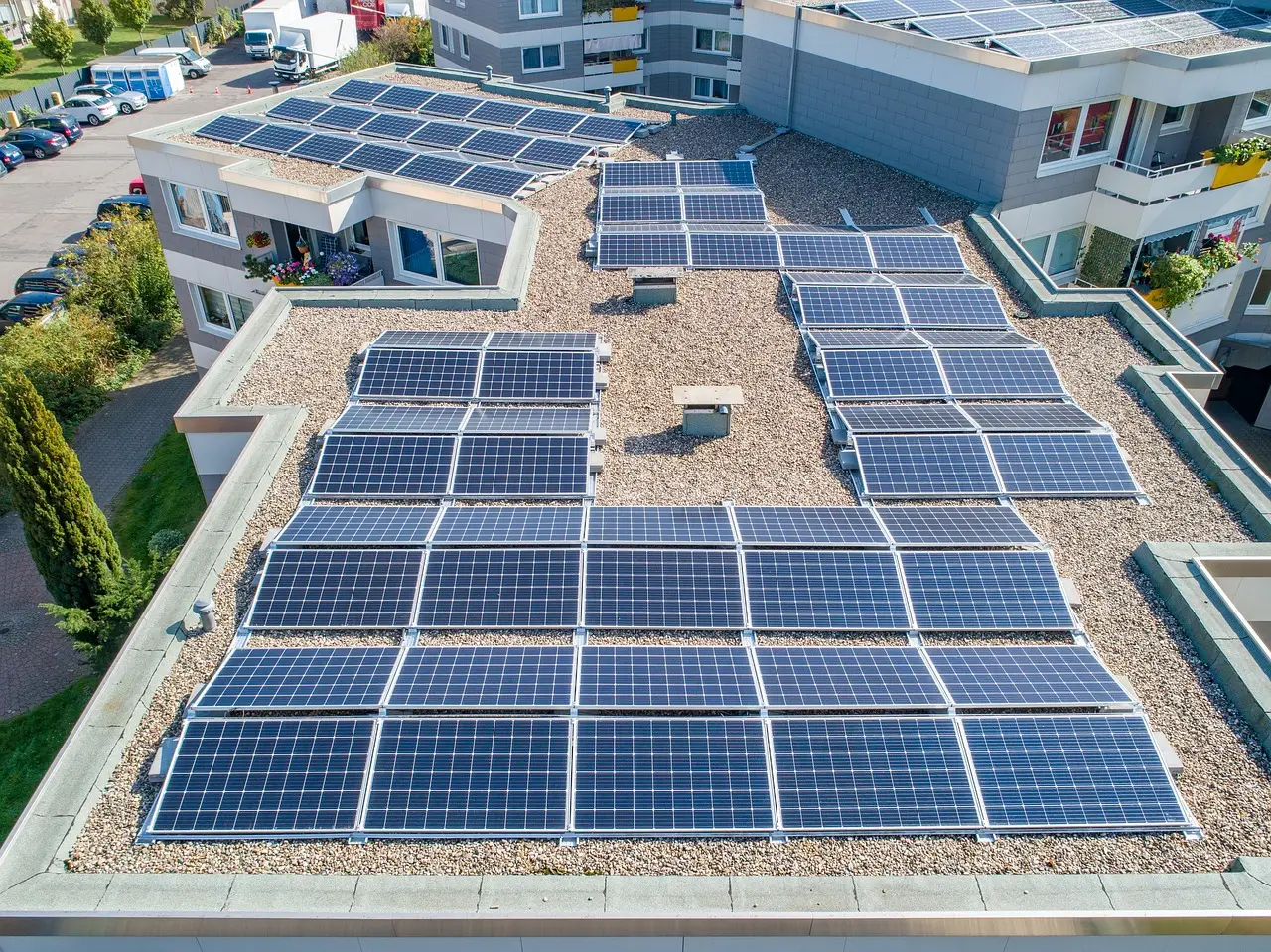
HMS-Peak Energy, a JV of Peak Energy and Hyundai Motor Securities, will build 100 MW of industrial rooftop solar across Korean supplier sites, avoiding 55,000 tonnes of CO2 a year.
Waypoints
HMS-Peak Energy targets 100 MW of industrial rooftop solar within two years.
Deployment could span several hundred supplier sites across South Korea.
Projected impact: ~55,000 tonnes of CO2 avoided annually, over 1 million tonnes over asset lifetime.
Five projects already secured with major Tier-1 suppliers to Hyundai Motor.
JV combines Peak Energy's project development with Hyundai Motor Securities' financing.
A new joint venture between Singapore-based renewable developer Peak Energy and Hyundai Motor Securities is targeting 100 MW of industrial rooftop solar across South Korea within two years, with the potential to avoid roughly 55,000 tonnes of CO2 emissions annually — and more than 1 million tonnes over the lifetime of the assets.
The platform, named HMS-Peak Energy, launched with a mandate to develop, finance, construct and operate renewable energy projects serving Hyundai Motor's automotive supply chain. Its customer base is specific: energy-intensive Tier-1 suppliers that account for a significant share of Hyundai's Scope 3 emissions.
The deal structure is equally specific. Suppliers will get access to solar power through long-term power purchase agreements, or PPAs, designed to do two things at once — cut emissions and stabilize electricity costs.
What does the JV actually deliver?
According to the companies, the deployment could span several hundred supplier sites across South Korea. That is rooftop capacity, not utility-scale — the model depends on aggregating industrial roofs at automotive component plants.
The joint venture is not starting from zero. It has already secured five projects with major Tier-1 suppliers to Hyundai Motor. Those projects target suppliers producing key automotive components and are structured to provide competitively priced electricity, the companies said.
For suppliers, the pitch is cost predictability. The JV says it will help domestic OEM suppliers reduce exposure to electricity price volatility, improve long-term visibility into energy costs and strengthen manufacturing competitiveness — all while advancing decarbonization of Hyundai Motor's supply chain.
The timing, the companies argue, is not accidental. They point to rising uncertainty in export markets, growing global trade risk and mounting margin pressure. Add falling solar costs, and long-term renewable supply becomes an increasingly important factor for manufacturers with heavy electricity demand.
Gavin Adda, CEO of Peak Energy, framed the deal in competitive terms. "Industrial competitiveness is now increasingly tied to the price of electricity," he said. "Hyundai Motor Securities recognized this early and moved quickly. This joint venture offers Korea's OEM suppliers a clear path to gaining long-term visibility into power costs through solar PPAs, while advancing the decarbonization of the supply chain."
Why a securities arm is in the energy business
The financing side is where Hyundai Motor Securities fits in. A representative of the firm's Infrastructure Investment Division said: "This collaboration marks an important first step toward supporting the automotive supply chain's practical transition to renewable energy. Through our joint venture with Peak Energy, Hyundai Motor Securities plans to combine competitive financing structures with strong project execution capabilities, enabling domestic suppliers to adopt solar PPAs in a reliable and sustainable manner."
In plain terms: one partner builds and runs the solar assets, the other brings the money. Suppliers sign long-term contracts and get fixed-visibility power costs instead of market exposure.
The Scope 3 angle matters for the framing. Hyundai's own operations can decarbonize on-site, but emissions embedded in its supplier network are harder to reach. Rooftop solar at component plants is one of the few direct levers an OEM can pull without rewriting its supplier base.
What to watch next
Two years is the clock. The JV's stated target — 100 MW of rooftop capacity secured by then, across potentially several hundred sites — is a commitment with a deadline, and the pace of signed PPAs beyond the first five projects will show whether the model scales.
The five secured Tier-1 projects are the proof of concept. The next milestone is conversion: how quickly those projects reach construction, and whether the platform moves beyond Hyundai's Tier-1 base into the broader supplier network. Until then, HMS-Peak Energy is announced capacity with a buildout schedule — and the Korean industrial rooftop sector has a new developer to track.
via ESG Today (Source)
More from Daniel Okafor
Show full bio
Correspondent covering companies, deals and strategy in Circular economy and the environmental industry at Circular Wire.
434 articles