E-Scrap & Battery Recycling
Jakarta Expands E-Waste Drop Boxes to Schools, Details Undisclosed
Jakarta is placing e-waste drop boxes inside schools, extending a collection program whose box count, operating partner, material list and pickup cadence remain undisclosed.
Waypoints
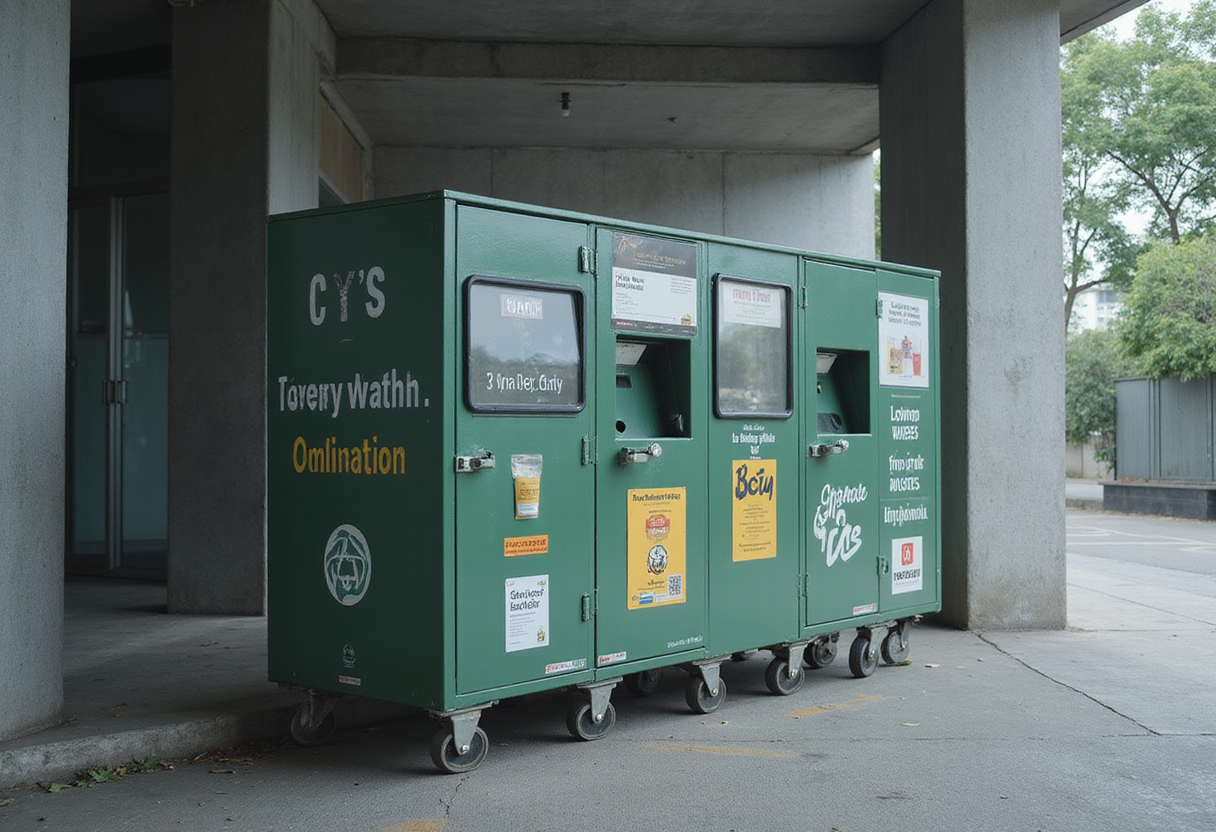
Jakarta has begun placing electronic-waste drop boxes inside the city's schools, expanding a smaller pre-existing collection program
The expansion was reported by Tempo.co English
Number of boxes deployed, number of schools in the initial cohort, and the operating partner were not disclosed in the announcement
The accepted material list and published collection schedule were also not disclosed
The first published tonnage figure from the school sites will be the milestone determining whether the program represents measurable diversion
Jakarta has begun placing electronic-waste drop boxes inside the city's schools, expanding a collection program that previously ran from a smaller footprint, according to Tempo.co English. The school channel adds a new venue to the capital's existing drop-box network, but the announcement leaves the program's most consequential operational details undisclosed. Until those details emerge, the rollout registers as an announcement of intent rather than a measurable diversion event.
Why does the school channel matter?
The shift relocates collection from whatever sites previously hosted the boxes into the daily environment of students and staff. That placement matters because drop boxes succeed when they sit where small electronics are already being abandoned — coat rooms, staff desks, household drawers.
Schools give the program direct access to two of those locations at once, and the daily footfall of staff and students provides a steady throughput of small electronics that often sit idle in homes — old chargers, retired phones, spent batteries. Whether the boxes capture that material or function as deposit points that downstream collectors drain on a slow schedule depends on three variables the announcement does not address.
Why does the operating partner matter?
The single most consequential undisclosed fact is the identity of the agency or company that will empty the boxes and route the material. Drop-box programs run under different operating models — municipal environment departments, producer-funded take-back schemes, and contracted hauliers.
Each model carries different economics, different reporting cadences, and different downstream accountability. Until the operator is named, trade readers cannot assess whether the boxes connect to a licensed recycling chain or simply to a transfer point.
What will the boxes accept?
The announcement does not state the material list. Drop boxes in school deployments typically take only small consumer electronics — phones, chargers, cables, batteries — and exclude larger appliances by weight and by hazardous-content class.
That limit matters because a box that accepts a kettle behaves differently downstream from a box that accepts a phone. Without a published acceptance list, schools cannot answer the question parents will ask at the gate.
How will tonnage be measured?
The single reporting milestone that determines whether the program represents real diversion is the first published throughput number. Until the operating agency releases a tonnage figure — whether per school, per month, per quarter, or in aggregate — the program is a stated expansion rather than a measured one.
Trade readers tracking Jakarta's e-waste infrastructure will treat that figure as the test point.
What stays undisclosed?
- Number of boxes deployed
- Number of schools in the initial cohort
- Name of the operating partner
- Accepted material list
- Published collection schedule
Until those are released, the rollout registers as a policy signal rather than a deliverable throughput event.
What's the next decision point?
The pilot cohort announcement, the operator's identity, and the first reporting cycle. Each is a separate commitment to track. The pilot cohort tells trade readers whether the city stages a controlled rollout or attempts a citywide deployment from day one.
The operator's identity tells them whether downstream accountability sits with the city, with brand-funded producers, or with a private contractor. The first reporting cycle tells them whether the boxes capture material at a rate that justifies further investment.
via Google News: Battery recycling and e-waste (Source)