Industrial Decarbonization
Milk-Source Heat Pumps Cut Dairy Energy Bills in Half at U.K. Cheesemaker
U.K. startup Arkaya Energy has installed 27 milk-source heat pumps that halve dairy electricity use, save one cheesemaker $94,000 a year, and pay back in under two years.
Waypoints
Arkaya milk-source heat pumps cut Barber's electricity use in half, saving about $94,000 (£70,000) per year and nearly 66 tons of CO2 annually, with payback under two years.
The systems chill milk to 35°F and recover waste heat to raise wash water to 198°F in a single unit, replacing ice banks plus boiler top-up heating.
Arkaya has installed 27 units since 2024, expects 34 more by year-end, and Barber's plans to convert all seven of its parlors by 2028; the U.S., with nearly 25,000 dairy herds, is a future target market.
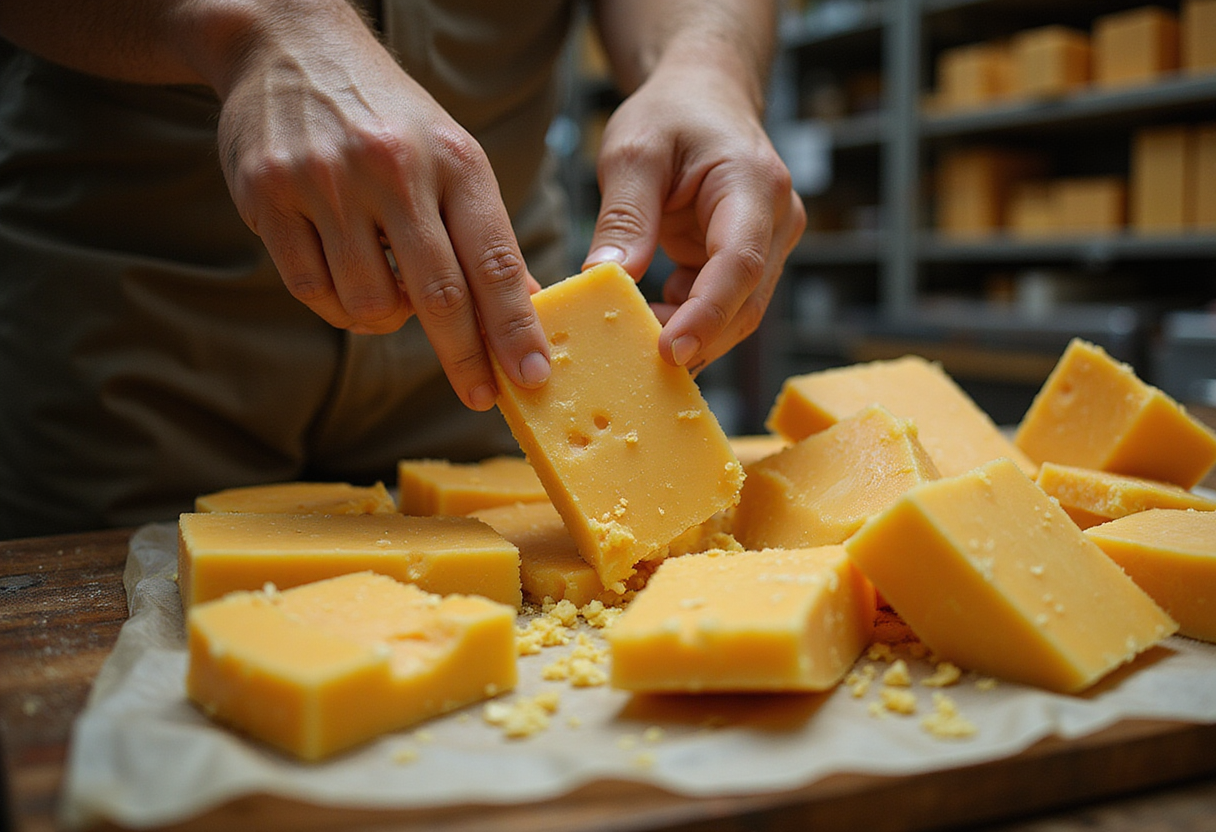
Barber's Farmhouse Cheesemakers, the world's oldest cheddar producer, has cut electricity use in half at its dairy operations and is saving roughly $94,000 (£70,000) per year after deploying ultraefficient heat pumps from U.K. startup Arkaya Energy starting in 2024. The Somerset-based company, operating since 1833, has installed the units at three of its seven milking parlors and plans to convert the rest by 2028.
The machines deliver two functions in one system: they chill fresh milk to as low as 35°F while capturing the waste heat to raise wash water to 198°F, near boiling. That hot water cleans udders, milk tanks, suction cups and other equipment. Each unit displaces both conventional chillers and the electric-resistance or fossil-fuel boilers that U.K. dairies typically use to top up hot-water temperatures.
The technology
Arkaya's design departs from the three conventional heat-pump categories — air-source, ground-source and water-source — by drawing heat from fresh milk itself, which leaves the cow warm. It is "a predictable energy source whenever milking takes place," said Arkaya founder Kumo Sharma, who calls the product a milk-source heat pump. He declined to disclose the refrigerant the system uses.
The incumbent setup in the U.K. — an ice bank for cooling paired with heat-recovery pre-warming of wash water — has long been considered the gold standard, Sharma said. But it cannot reach required wash-water temperatures alone and needs a boost from an electric-resistance or fossil-fuel-fired boiler. Arkaya's machine "does that all combined in one system," he said.
The numbers behind the rollout
At Barber's, the heat pumps are cutting carbon emissions by nearly 66 tons per year, and payback on the investment runs under two years. "There's not many investments that have [even] five-year paybacks," said Alfie Barber, seventh-generation cheesemaker and farm manager. "Every penny counts in our game." His father, farm director Chris Barber, noted that recent electricity price increases mean this year's savings could exceed projections.
Arkaya began selling the units in 2024 and has installed 27 to date, with 34 more expected to deploy by the end of this year. The four-employee startup is focused on the U.K. market — home to nearly 7,000 dairy farms — and aims to expand manufacturing capacity and its installer network. The product won the Royal Association of British Dairy Farmers' 2026 innovation award.
A gap in the U.S. market
Sharma said Arkaya plans to expand gradually, starting with Ireland and then the broader European market. The U.S. is a logical future target given the size of its dairy sector — nearly 25,000 dairy herds in 2024.
Industry watchers see an open field. While GEA, Frick and Tetra Pak offer industrial heat-pump products for dairy, their technology targets factory-scale processing rather than the milking parlor itself, according to Ruth Checknoff, senior director at the Renewable Thermal Collaborative. "I haven't run into anyone in the U.S. that has a heat pump that will do all the final water heatings" as Arkaya's does, said Steve Koski, lead research engineer for industrial heat pumps at Cascade Energy. Europe is likely ahead on adoption, he added, because it lacks cheap natural gas.
Koski noted that most new U.S. milking parlors already use heat-recovery systems, but those setups still require supplemental electric-resistance, propane or, less commonly, fossil-gas heaters. Milking ranks among the best heat-pump applications because farms have simultaneous heating and cooling demand on site. "This is like a slam-dunk opportunity," Checknoff said.
Adoption barriers remain across food manufacturing: unfamiliar technology, a price premium, and electricity costs that make companies hesitant to retire fossil-fueled equipment. The Barber's deployment suggests the economics can clear those hurdles where heating and cooling loads coincide.
Back in Somerset, the family has committed to full conversion. "We've come across a technology that will be, possibly, the future of our dairy industry," Chris Barber said. "It bloody works."
The milestone to watch: whether Arkaya hits its target of 61 cumulative installations by year-end and lands its first installations beyond the U.K. — the test of whether a parlor-scale heat pump can scale into Europe's dairy base.
via barbers.co.uk (Original)
More from Olivia Hart
Show full bio
Staff writer covering marketplaces and e-commerce at Circular Wire.
120 articles