Cleantech & Investment
Nigeria Presses COP31 for $1.3tn Climate Finance That Reaches Developing Economies
At COP31 in Antalya, Nigeria demanded the $1.3tn-a-year climate finance goal turn into affordable capital, citing a $300m renewables fund and a 2026 adaptation plan.
Waypoints
Tinubu called for the $1.3tn annual climate finance goal by 2035 to translate into affordable, concessional funding for developing countries.
Nigeria commercially launched a $300m Distributed Renewable Energy Fund in September.
Nigeria submitted its National Adaptation Plan in September 2026.
COP31 high-level talks resumed November 17 in Antalya, closing November 20.
Negotiators are debating a target of raising electricity's share of global energy use to 35% by 2035.
Nigeria has put a hard number at the center of its COP31 pitch: the global goal of mobilising at least $1.3 trillion a year in climate finance by 2035 must turn into affordable money that developing countries can actually draw down.
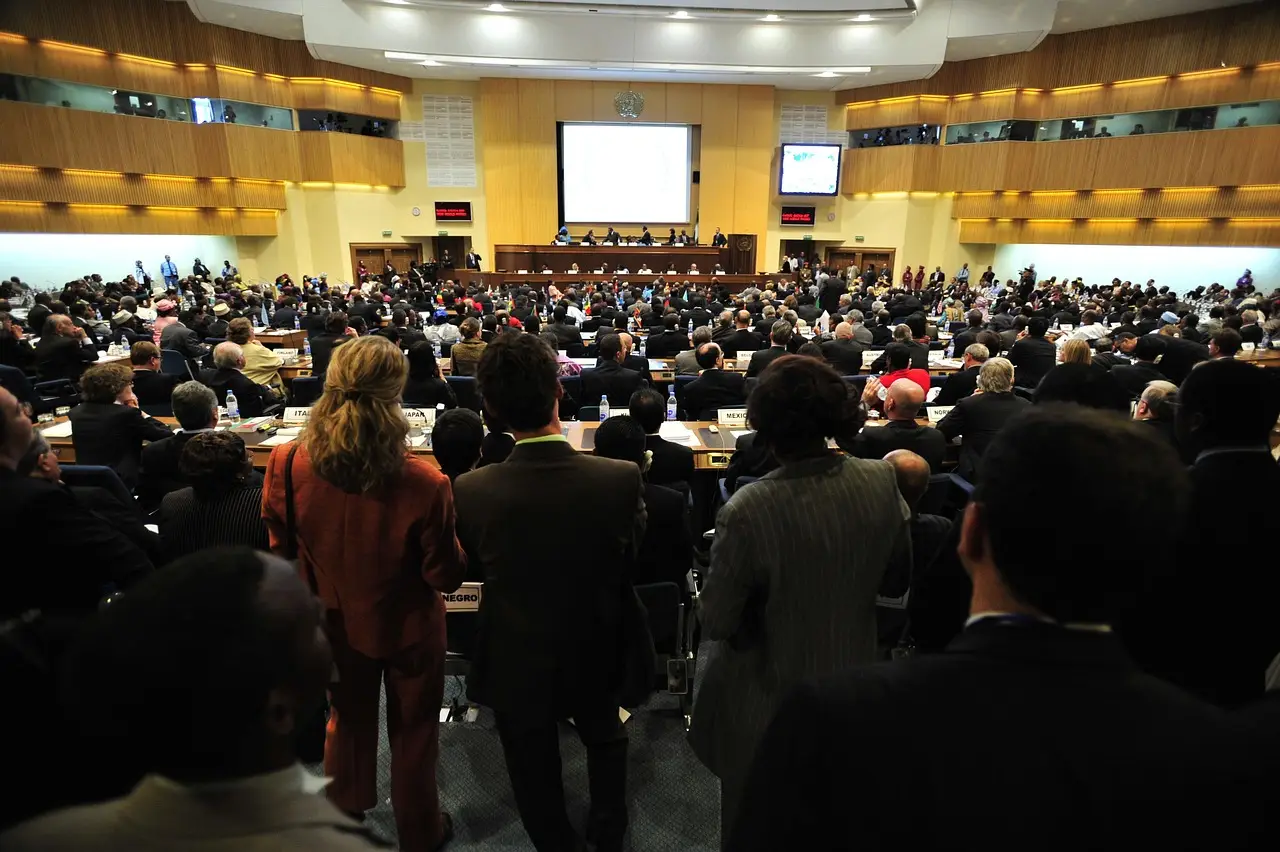
President Bola Tinubu delivered that demand in Nigeria's national statement at the resumed high-level segment of the 31st United Nations Climate Change Conference in Antalya, Türkiye, on Tuesday, November 17. Environment Minister Balarabe Lawal read the statement before COP31 President Murat Kurum and other heads of state.
The venue matters for the calendar. High-level meetings resumed on November 17 following the Antalya Leaders' Summit held November 11 and 12, with the ministerial segment running November 17 and 18 and the conference closing November 20. Negotiators are still split over climate finance, adaptation funding, the transition away from fossil fuels, renewable energy and a proposed target of raising electricity's share of global energy use to 35% by 2035.
Why is Nigeria focused on the cost of capital?
Tinubu's core argument is that borrowing costs, not ambition, are the binding constraint. High capital costs, he said, undermine developing countries' ability to implement climate programmes, strengthen resilience and accelerate the shift to cleaner energy. The $1.3tn annual figure — the finance ambition set for 2035 — means little, in Nigeria's framing, if it arrives as expensive debt rather than accessible funding.
"National initiatives alone cannot deliver the scale of transformation required," Tinubu said. "We call for increased concessional financing and reduced costs of capital confronting developing economies. We must ensure that the Fund for responding to Loss and Damage delivers timely and meaningful assistance to affected countries."
He also pressed the international community to make the Fund for Responding to Loss and Damage deliver timely, meaningful support to countries already absorbing climate impacts.
What is Nigeria doing on its own balance sheet?
The statement carried several dated domestic commitments:
- A National Adaptation Plan submitted in September 2026, covering climate-resilient agriculture, early-warning systems and disaster preparedness for vulnerable communities. The plan incorporates climate risk analysis, economic appraisal, sector strategies and financing approaches.
- The commercial launch of a $300 million Distributed Renewable Energy Fund in September, aimed at mobilising capital to expand access to reliable electricity.
- Work to strengthen the national carbon market framework, including opportunities under Article 6 of the Paris Agreement, which lets countries cooperate through carbon markets to meet emissions-reduction targets.
That is real money and real filings — but Tinubu himself conceded the scale gap. Domestic initiatives, he argued, cannot close it alone.
Where does natural gas fit?
On energy transition, Tinubu drew a line between Nigeria's path and wealthier economies' timelines. Climate action, he said, must align with national development priorities — energy access, food security, industrialisation, employment and livelihoods.
"For Nigeria, the energy transition must be just, inclusive and responsive to national circumstances," he said. "Nigeria remains committed to expanding renewable energy deployment while safeguarding energy security and improving access to affordable and reliable electricity. Natural gas will continue to serve as an important transition fuel within our energy mix."
That gas framing keeps Nigeria aligned with other gas-producing developing economies at a summit where the fossil fuel transition language remains one of the unresolved negotiating tracks.
What decides what happens next?
Tinubu called on leaders to make COP31 a turning point where climate ambition matches financing and measurable outcomes. "COP31 must mark a decisive turning point in the global climate response," he said, urging alignment between ambition, financing and implementation. He closed with a direct appeal to the host city: "Let Antalya be remembered as the moment the world moved decisively from commitment to implementation, and from investment to resilience, prosperity and shared development."
The deadline that settles it is November 20. By then, delegates must either bridge the finance and adaptation gaps — including whether concessional terms and the Loss and Damage Fund get operational teeth — or close COP31 with those divisions intact.
via punchng.com (Source)
More from Daniel Okafor
Show full bio
Correspondent covering companies, deals and strategy in Circular economy and the environmental industry at Circular Wire.
540 articles