Waste Management Business
Phuket Landfill Partially Reopens After Closure Stalled Island's Waste Intake
Phuket's main disposal centre resumed partial deliveries on November 12 after blocked roads halted intake, with full operations expected next week under five new provincial measures.
Waypoints
Phuket's main disposal centre stopped accepting waste on November 8 and partially reopened on November 12, 2026.
Organic waste makes up more than 60% of rubbish entering the centre.
Landfill expansion and disposal projects are more than a year behind schedule.
Governor Chotnarin Kerdsom introduced five measures on November 12 to prevent another closure.
The site's incinerator operated throughout the closure, receiving waste at night.
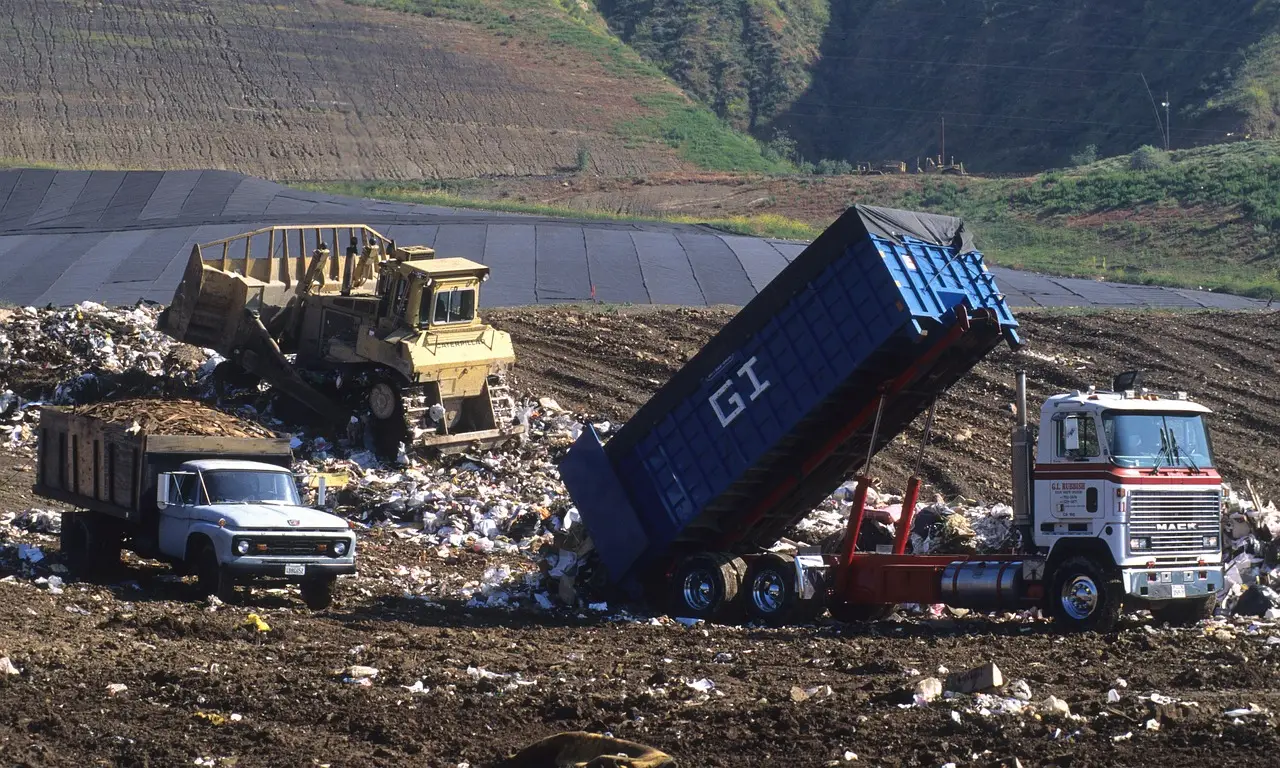
Phuket's main waste disposal centre resumed partial deliveries on November 12, four days after trucks from several local administrations blocked access roads and forced the site to stop accepting rubbish on November 8. Phuket City Municipality, which announced the partial reopening, expects the facility to return to full operations next week, according to Phuket City Mayor Supachok Laongphet.
The reopening followed a November 12 meeting chaired by Phuket Governor Chotnarin Kerdsom, convened to address an overflow crisis that had been building since waste volumes began climbing after the Covid-19 pandemic. Supachok said the landfill had been struggling with accumulated rubbish for years as inbound tonnage continued to rise.
The disruption has exposed how far the island's disposal infrastructure has fallen behind demand. Waste disposal and landfill expansion projects now run more than a year behind schedule, delayed by regulatory hurdles, complaints, appeals and lawsuits. Limited machinery and heavy rain have further disrupted work at the site.
What kept operating during the closure?
The site's incinerator never stopped running. Throughout the closure, rubbish was delivered for incineration at night while workers cleared and prepared landfill space for incoming waste. The municipality has since eased restrictions to allow some deliveries to resume as improvements to the dumping area continue.
The immediate trigger of the shutdown was operational, not regulatory. Trucks from several local administrations dumped waste that blocked access roads to the centre on November 8, halting intake entirely until officials re-established partial access four days later.
How much of the stream is organic waste?
The composition figure driving the policy response is stark: organic waste accounts for more than 60% of the rubbish entering the disposal centre. Supachok urged Phuket's other 19 local administrations to follow the municipality's own example of collecting organic and general waste separately in the Talat Nuea and Talat Yai districts.
The crisis has renewed calls for better rubbish separation across the island, and the mayor framed source separation as the fastest lever available to reduce the volume pressing on the landfill.
What did the governor order?
Governor Chotnarin introduced five measures at the November 12 meeting, each aimed at resolving bottlenecks and preventing another closure:
- Unblocking delayed projects. Phuket City Municipality must identify the legal, procurement and administrative obstacles holding up landfill improvements and work toward solutions under Department of Local Administration guidelines.
- Tighter gate control. Officials will control rubbish trucks entering and leaving the centre more strictly, with clearer rules on accepted waste types, particularly bulky items and non-compliant materials. Police will be involved if anyone illegally dumps rubbish, threatens staff or obstructs operations.
- Environmental oversight. The provincial natural resources and environment office must provide environmental impact information, advise local administrations and residents, and prepare maps of landfill locations alongside monitoring and prevention measures.
- Mandatory separation. All 19 local administrations must improve waste separation at households, communities, hotels, restaurants and businesses — separating general, organic and recyclable rubbish, using suitable bags or containers, and reducing moisture before disposal to improve incineration efficiency and cut odours and disease-carrying pests.
- Phased improvement plan. Short-, medium- and long-term measures will involve local administrations, provincial offices and district officials. Immediate priorities are restoring deliveries and improving traffic management at the centre; longer-term work targets expanded disposal capacity, better separation and a more comprehensive treatment system.
Officials also plan to introduce incentives for households and businesses that separate rubbish effectively, though the municipality has not yet specified what form those incentives will take.
What happens next?
The milestone that decides the trajectory is the return to full intake, which Supachok expects within roughly a week of the November 12 reopening. Beyond that, the test is whether the Department of Local Administration-guided review can actually clear the legal and procurement barriers that have delayed the expansion projects by more than a year — the variable that turned a chronic capacity shortfall into a full shutdown on November 8.
via thethaiger.com (Source)
More from Grace Kim
Show full bio
Market editor covering money, funding and market shifts around Circular economy and the environmental industry at Circular Wire.
540 articles