E-Scrap & Battery Recycling
Trichy Corporation rolls out household e-waste pickup service
Trichy Corporation has launched doorstep e-waste collection for households. The Tamil Nadu civic body did not disclose tonnage, coverage, fees or downstream recycler — the trade-relevant data the announcement leaves out.
Waypoints
Trichy Corporation has begun doorstep collection of e-waste from households
The initial announcement did not disclose tonnage targets, household coverage, fees or downstream recycler
India's E-Waste Management Rules were last substantially amended in 2022
Doorstep services run by municipal corporations operate outside the producer-funded EPR stream but feed the same downstream recycler base
The Central Pollution Control Board publishes annual EPR collection data; the next compliance-year figure is the milestone to track
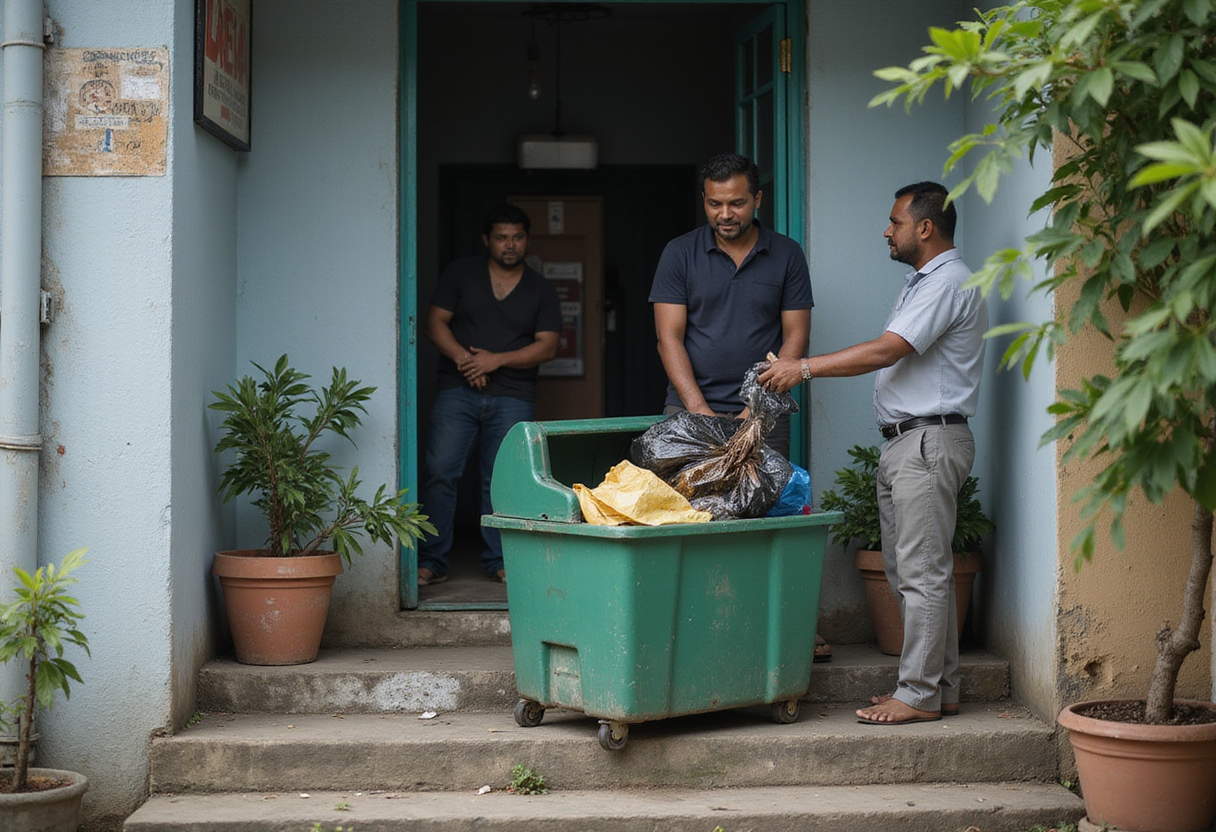
Trichy Corporation has begun doorstep collection of e-waste from households, expanding the city's municipal solid-waste portfolio to include electrical and electronic equipment for the first time.
The Tiruchirappalli City Municipal Corporation — known locally as Trichy Corporation — confirmed the launch through notices carried by regional press. The initial announcement did not publish tonnage targets, household coverage figures, fee structures or collection frequency. That absence matters: under India's Extended Producer Responsibility framework for e-waste, every kilogram of material collected through formal channels can be credited toward producer compliance, and recyclers typically require that data to plan throughput.
Until now, household e-waste in Trichy has flowed through designated drop-off centres and informal channels, with material reaching registered recyclers through producer-funded programmes mandated under the E-Waste Management Rules. The shift to doorstep collection removes the requirement for households to transport items themselves — a barrier that has kept formal recovery rates low in tier-II Indian cities, where most e-waste still ends up in the informal sector.
What changes operationally
The doorstep service moves collection out of fixed points and into the last mile. Three operational questions follow from the launch:
- Whether the corporation funds pickup itself or passes costs to producers or households
- Which authorised dismantlers receive the collected material
- Whether informal waste-pickers are integrated into the route or displaced by it
The corporation has not answered any of those questions publicly. Without those details, recyclers cannot yet judge whether the new channel will compete with or supplement existing producer-funded collection in the city.
Why doorstep matters in India's EPR system
India's E-Waste Management Rules, last substantially amended in 2022, set escalating collection targets on producers, manufacturers and importers of electrical and electronic equipment. Targets rise year-on-year as a share of sales volume, pushing producers to expand formal collection networks. Doorstep services run by municipal corporations sit outside the producer-funded stream but feed the same downstream recycler base.
The economics hinge on who pays. If the corporation funds collection and hands material to authorised recyclers, it could lower the volume producers must collect independently and ease compliance pressure. If it acts purely as a logistics layer, it adds redundancy rather than throughput.
What the announcement does not say
The initial release left four data points undisclosed:
- Households covered in the rollout area
- Collection frequency — weekly, fortnightly or on-demand
- Whether households pay a fee for pickup
- The downstream recycler contracted to process material
The milestone to watch
India's Central Pollution Control Board publishes annual collection data against EPR targets. The next compliance-year publication — covering the cycle through March — will show whether municipal doorstep schemes like Trichy's contribute enough tonnage to shift the national collection baseline. That figure is the data point producers, recyclers and compliance officers will track.
The corporation has not yet said when it will release operational data for the new service. Until it does, the operating numbers behind the launch — households covered, kilograms collected, recyclers contracted — remain the missing inputs the trade needs.
via Google News: Battery recycling and e-waste (Source)
More from Daniel Okafor
Show full bio
Correspondent covering companies, deals and strategy in Circular economy and the environmental industry at Circular Wire.
331 articles