Cleantech & Investment
225 Farmers to Own N157.5m of Solar Greenhouses in Enugu Pilot
Fifteen solar greenhouses worth N10.5m each transfer to 225 Enugu farmers via harvest-income repayments, as the state targets 260 farm estates by policy.
Waypoints
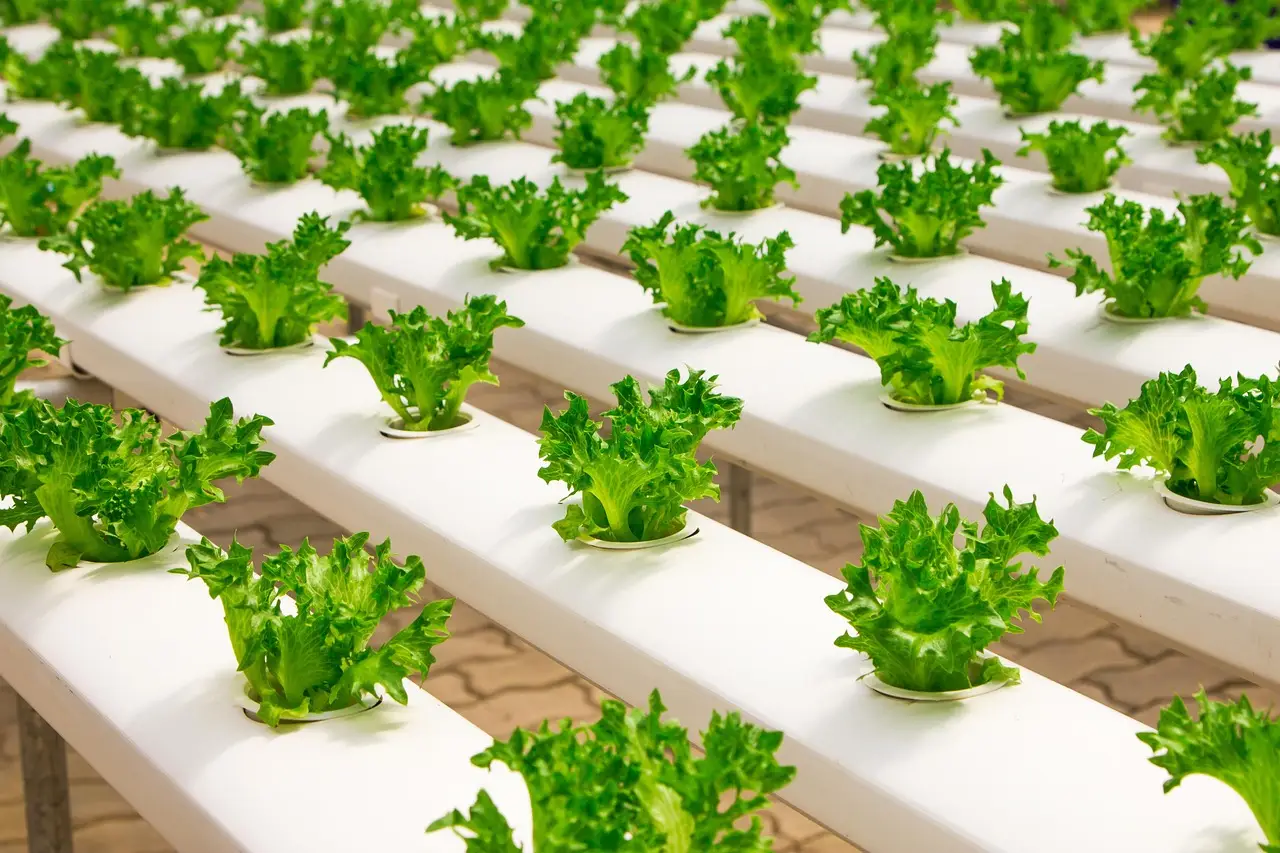
15 solar greenhouses at N10.5m each serve 225 farmers in Ugwuomu-Nike, Enugu, under a lease-to-own model.
Manamuz Electric has created more than 570 jobs; the EWAS programme targets 17,000 jobs and 136,000 livelihoods by 2027.
Enugu State has passed policy to extend the model to its 260 farm estates of 200 hectares each, with 1% of every estate for clean energy.
The Bank of Agriculture was recapitalised with N1.5tn, offering young farmers loans up to N1m.
Mission 300 aims to connect 17.5 million Nigerians to electricity by 2030.
Fifteen solar-powered greenhouses at N10.5 million apiece — roughly N157.5 million in built capacity — are transferring to 225 smallholder farmers in Ugwuomu-Nike, Enugu East Local Government Area, through a lease-to-own model the Enugu State Government now intends to replicate across its 260 farm estates.
The farmers paid nothing upfront. Each of the 15 cooperatives has 15 members, including women, young people and persons with disabilities. Harvest income, not cash deposits, retires the capital cost. When the balance clears, the greenhouse belongs to the cooperative, and the repayments roll forward to finance the next cohort.
Manamuz Electric built and operates the cluster. Chief Executive and Co-founder Uzochukwu Mbamalu leads the company, working with partner firms under a structure that is easy to summarise: the state supplies land, development partners fund construction, and Manamuz supplies technology and buyer links. Each cooperative sells as a group, keeps most of the revenue and directs a smaller share to repayment.
Who funds it, and through which programme?
The financing flows through the Energising Women and Youth in Agri-Food Systems programme, a three-year partnership between the Global Energy Alliance for People and Planet and the Mastercard Foundation. It runs from 2024 to 2027 in Nigeria and Ethiopia, with RMI and All On as technical partners in Nigeria.
The programme carries hard targets. By 2027 it aims to create 17,000 jobs and support 136,000 livelihoods, with seven in ten job openings reserved for women. Manamuz reports more than 570 jobs created so far — roughly 3 per cent of the jobs target, three years out from the deadline.
What comes after the pilot?
Mbamalu set out the pipeline plainly: "Our agreement with the government is a state pilot of 150 greenhouses with two cold box stores. The government has already passed a policy to take this project to its 260 farm estates."
Each estate covers 200 hectares, and 1 per cent of every estate is earmarked for clean energy in agriculture. In practice, that means cold rooms linked to solar mini-grids and greenhouses, with a youth focus. The built asset base in Ugwuomu-Nike is therefore the first instalment of an announced 150-unit pilot, which in turn sits inside a much larger policy commitment.
How does it fit the wider funding picture?
The timing is not accidental. The Federal Government has declared a state of emergency on food security and recapitalised the Bank of Agriculture with N1.5 trillion, with loans of up to N1 million available to young farmers.
On the electrification side, the World Bank says Mission 300 — a 2024 initiative run with the African Development Bank and supported by the Rockefeller Foundation and the Global Energy Alliance — will connect 17.5 million Nigerians to electricity by 2030.
On Monday, Chianda Njogu, Director for Powering Opportunity in Africa at the Global Energy Alliance, visited the site. "The community is off-grid, but nothing is lacking here," he said. "There is power, there are sustainably run greenhouses, and there is water. The most important element is the people."
Njogu framed the commercial logic without ornament: the outcomes that matter are jobs and livelihoods, and scaling up will require private sector funding alongside government money.
What do the farmers themselves report?
The cooperative members offered near-term evidence rather than projections. Mrs Nkolika Ugokwe, President of the Donum De Caelo Cooperative, said the programme had changed her group's position; its first bell peppers should be ready by the end of November. Beekeeper Mrs Onyia Salome put her case in one sentence: "As a beekeeper, I need a greenhouse where my bees can find nectar and give us honey. This is a big opportunity for me."
The model's arithmetic is untested at scale, but its first repayment cycle has a date: end of November, when the peppers come in. Whether cooperatives can retire a N10.5 million asset from harvest income — and whether the state's 260-estate policy draws private capital at the volume Njogu demands — is the milestone to watch.
via punchng.com (Source)
More from Olivia Hart
Show full bio
Staff writer covering regulation, policy and their impact on Circular economy and the environmental industry at Circular Wire.
528 articles