Compliance & Policy
CCC to rule on ZEV mandate as Labour weighs cutting EV sales targets
The Climate Change Committee writes to ministers Wednesday on the ZEV mandate, as Labour weighs cutting the 80% electric sales target for 2030. Carmakers and campaigners split on the cost.
Waypoints
ZEV mandate requires 80% of new car sales to be electric by 2030 and 100% by 2035
CCC chair Nigel Topping delivers the committee's letter to ministers on Wednesday
Battery-electric sales rose 50% last month year on year; one EV sells every 52 seconds
Petrol fill-up can exceed £100 versus under £10 for a full electric charge
Government maintains 2030 petrol/diesel phase-out and 2035 zero emission deadline
The UK's zero emissions vehicle mandate — 80% of new car sales electric by 2030, 100% by 2035 — faces a possible rollback, and the Climate Change Committee will deliver its verdict to ministers on Wednesday.
The CCC letter will examine what weakening the ZEV mandate would do to the cost of living and to the UK's legally binding net zero targets. Reports suggest Labour is poised to reduce the sales requirements, a move campaigners and analysts say would damage both consumers and the car industry itself.
The committee has kept its deliberations private, but its chair, Nigel Topping, brings two decades of automotive sector experience and a long record of pressing carmakers to accelerate the shift to electric vehicles. Topping has argued that the 2050 net zero target is an industrial asset rather than a burden. "Our leadership in decarbonisation is driving industrial leadership, which is driving competitiveness and growth," he has said.
If the CCC letter criticises proposals to dilute the mandate, ministers will struggle to justify the change.
What does the mandate fight cost households?
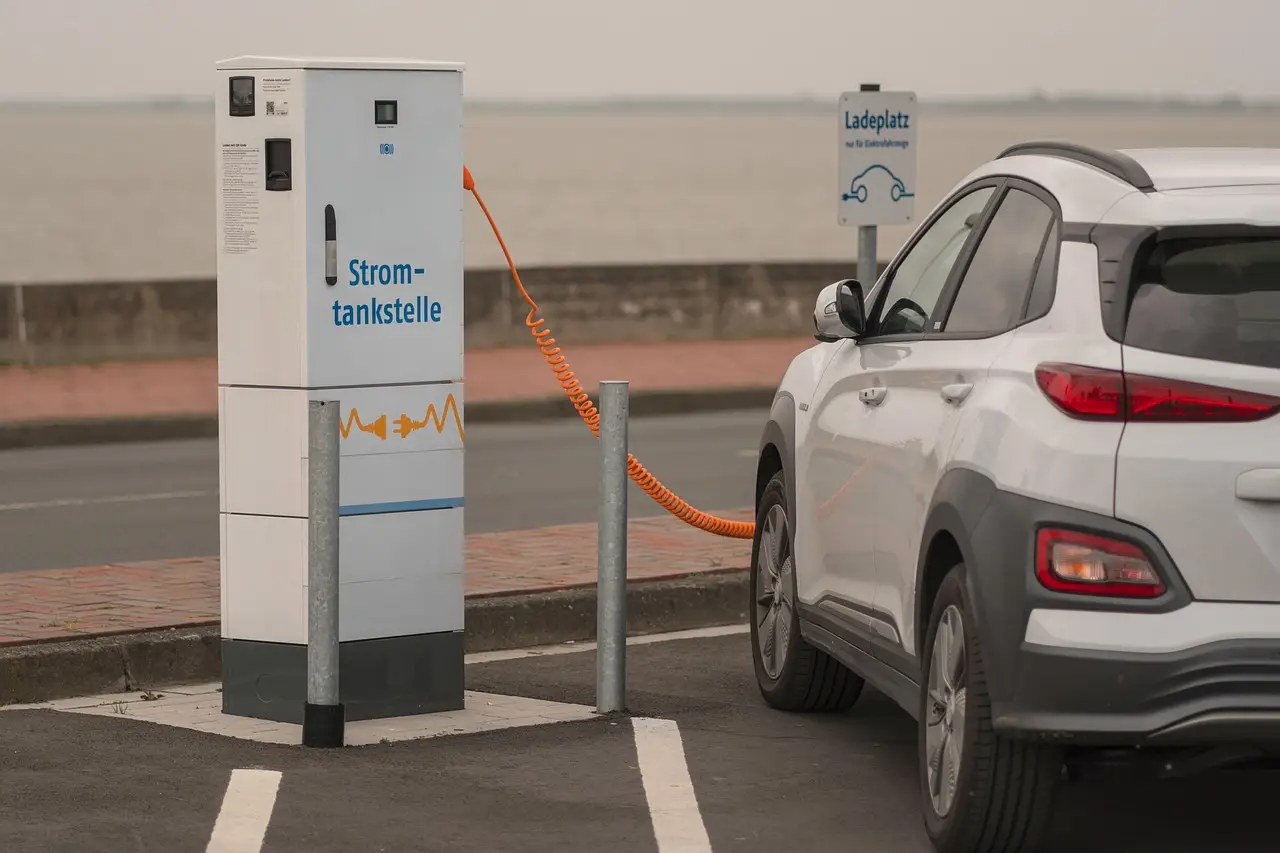
The running-cost gap between the two powertrains frames the consumer argument. Filling a petrol car can currently cost more than £100; a full charge of an electric vehicle costs less than £10. Analysts and campaigners argue that slowing the EV market would therefore slow the easing of household transport costs.
Ami McCarthy, head of politics at Greenpeace UK, did not mince words. "Watering down the current sales targets for EVs would be like driving with the handbrake on," she said. "The UK has an upbeat story to tell on electrification but the car industry keeps trying to drag it backwards."
McCarthy also referenced the prime minister's speech at the Cop31 UN climate summit on Thursday, in which he said industry must play its part. "Aligning our sales targets with the EU would only slow us down," she said.
What do carmakers say?
The industry's counterargument rests on demand and margins. Manufacturers say the current targets are too onerous and that heavy discounting is required to sell enough electric cars to comply.
Mike Hawes, chief executive of the Society of Motor Manufacturers and Traders, acknowledged that manufacturers are investing billions in zero emission vehicles but said demand sits below the mandated levels. "Regulation mustn't undermine UK competitiveness or hold back the transition," he said. "Government must act now, with fundamental change to the targets, backed by ongoing and increased support for consumers, including incentives, affordable charging, and tackling disincentives."
One expert disputed the discounting claim outright, noting that the UK is exceeding its current sales target by a significant margin — something that would not happen if manufacturers were genuinely struggling. "That shows it's nonsense to say they're discounting heavily," the expert said. "EVs are so clearly the future, it is hard to understand why the car industry is not embracing them."
Where does the export market point?
Most UK-built cars are sold for export, and EV sales are growing strongly in the EU, a major market for British manufacturers. Because Chinese competitors face EU tariffs, the analyst argued, the UK could seize an advantage over rivals by pushing harder on electric vehicles rather than retreating.
Domestic momentum supports that case. Sales of battery-only electric vehicles rose by half last month compared with the same month a year earlier. McCarthy pointed to minister Katie White's celebration of the fact that an electric vehicle is sold every 52 seconds in the UK.
"While the EU seems to be dropping into second gear, the UK has an opportunity to ensure British companies and consumers reap the rewards," McCarthy said. "Leading from the front isn't just good for UK industry. It will help lower the cost of living, increase energy security and reach our climate goals."
What happens next?
A government spokesperson reaffirmed the formal commitments: phasing out new cars relying solely on petrol and diesel engines by 2030, 100% zero emission car and van sales by 2035, and the legally binding net zero targets. "Our consultation on the mandate will not change this and will ensure we are taking a pragmatic and balanced approach to the ZEV transition," the spokesperson said.
The consultation's outcome, read against the CCC's letter, will settle whether the 2030 and 2035 thresholds hold.
via theguardian.com (Source)
More from Olivia Hart
Show full bio
Staff writer covering regulation, policy and their impact on Circular economy and the environmental industry at Circular Wire.
509 articles