Industrial Decarbonization
UK EV mandate cut could add 147Mt CO2e, analysis says
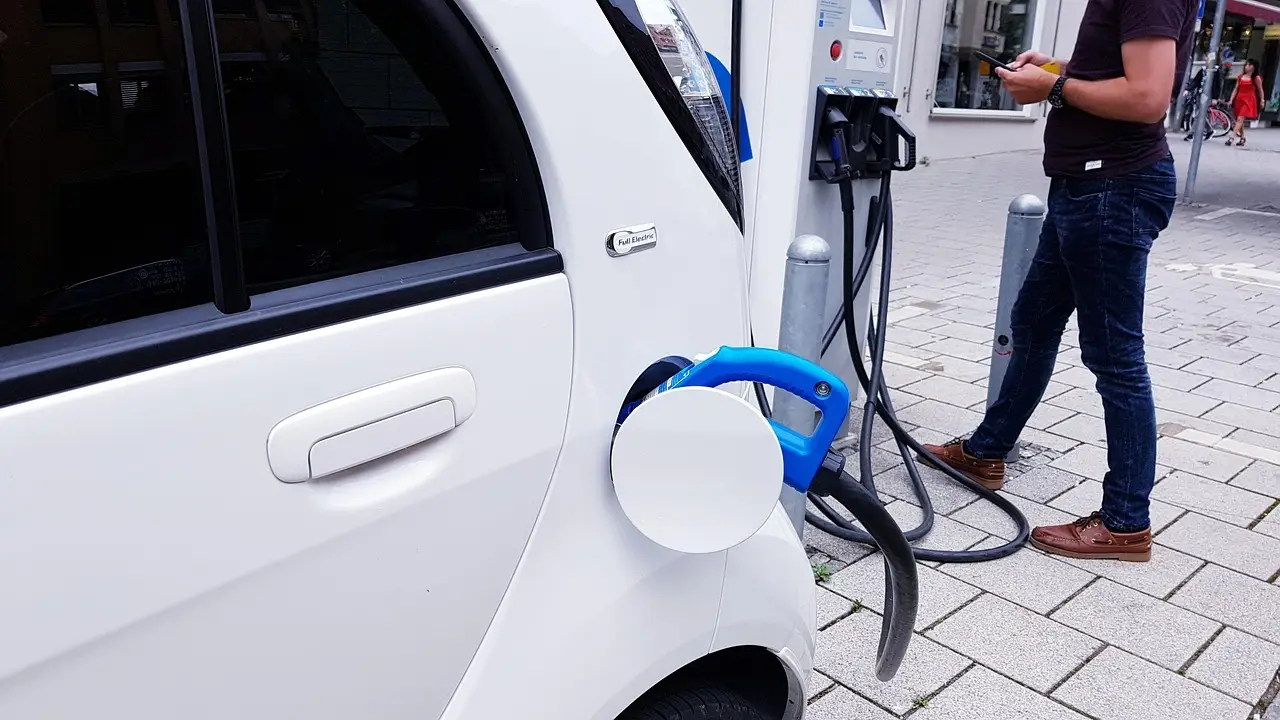
Britain’s 2030 EV target could fall to 50%, a scenario the ECIU says could add 147Mt CO2e. Ministers have not finalized the mandate after Friday’s consultation.
Waypoints
The 2030 EV mandate could be weakened to 70% or 50% of new-car sales; the 2035 goal is likely to remain.
A 50% scenario could add 147Mt CO2e, equal to 58% of likely Rosebank oil-field emissions.
EVs can be £1,750 a year cheaper to run, according to ECIU analyst Jess Ralston.
Mandatory human-rights due diligence would cover British or non-UK businesses with relevant turnover above £350m.
The consultation closed Friday, but ministers had not made the final EV decision before COP31.
By Daniel Okafor
A proposed cut to Britain’s 2030 new-car EV mandate could require electric vehicles to make up only 50% of sales and add 147 million tonnes of carbon dioxide equivalent, according to Energy and Climate Intelligence Unit estimates, as ministers weigh weakening the rule after a consultation that closed Friday.
The final decision has not been taken. Kiran Stacey’s reporting for The Guardian says ministers are on course to reduce the 2030 target to 70% or as low as 50% of new cars, while the 2035 end goal is likely to remain. Previous changes already allowed more hybrid cars, which combine electric and combustion engines.
What would a 50% mandate mean for emissions?
Under the more severe 50% scenario, ECIU analyst Jess Ralston said: “Weakening the target would not solve the problems for manufacturers.” She said manufacturers face stronger competition from China as more people choose EVs.
A lower mandate would not help the public either, because EVs can be £1,750 a year cheaper to run, potentially more if oil prices rise.
Combined with the earlier opening for hybrids, a weakened mandate would produce emissions greater than burning all the gas in the Jackdaw field, ECIU said.
The 147Mt CO2e estimate for a 50% target equals about 58% of likely emissions from burning oil from the Rosebank field. Fiona Harvey and Jasper Jolly set out these consequences for The Guardian last month; Stacey’s new report says a cut now seems inevitable.
In practical terms, the options would slow the UK shift to electric cars even if the 2035 goal survives.
Why are ministers expected to cut the target?
Zack Polanski, leader of the Green Party, said: “Our Government’s contribution? To bend over backwards to the car industry, and scrap plans for rapid electrification.” He called Labour’s climate record shocking, with backsliding, weaker rules and more fossil-fuel extraction.
Former Green leader Caroline Lucas called the expected decision truly terrible at a truly terrible time. She said vehicle electrification remains the government’s single biggest decarbonisation policy and that weakening it before COP31 would signal that the UK no longer takes climate action seriously.
The Greens cited a summer of heat deaths and scientists who say 2026 will be the hottest year ever as the context for their objection.
The Greens say weaker rules would damage Britain’s climate credibility before COP31.
When will ministers settle the 2030 mandate?
Andy Burnham, who plans to attend the UN COP31 climate summit later in the week, could now face questions over the reported target change, a controversy likely to weigh on his environmental credentials.
On Monday, he visited a hospital in Hertfordshire to discuss a £40m Department of Health and Social Care programme in England designed to keep vulnerable patients out of hospital; Andrew Gregory also explained the programme.
The Commons remains on a mini November recess. A Downing Street lobby briefing was scheduled for 11:30am, and the government had yet to settle the EV policy.
The rule is still open, and the government’s next step is to settle the 2030 percentage.
What changes for UK vehicle and textile supply chains?
Business secretary Jonathan Reynolds has told the Commons business committee that he plans to introduce legislation requiring mandatory human-rights due diligence. Companies trading goods made with forced labour or modern slavery would have to withdraw those products from sale; non-compliant firms could be compelled to do so.
The duty would cover British businesses with global turnover above £350m and non-UK businesses with UK-generated turnover above £350m. Reynolds set out the plan in a letter after the committee sought stronger safeguards for nearly two years.
At a January 2025 evidence session, Chinese-owned clothing company Shein repeatedly declined to confirm whether its products contained Chinese cotton, including cotton from Xinjiang, where the Uyghur minority is believed to face forced labour.
For UK suppliers, the key development is a proposed legal duty, not a ban already in force.
Why does the single-market debate matter to supply chains?
Burnham said he wants the UK to move closer to the EU after the next election, with joining the single market as one option. Norway sits in that market but outside the EU; Burnham acknowledged that the Norwegian-style route would boost trade but require Britain to accept free movement.
Norwegian prime minister Jonas Gahr Støre advised him to think twice. In an interview with Politico’s Tim Ross, Støre warned people who left the EU because of too much Brussels not to take the Norwegian route, where the country takes most decisions made by others and implements them.
The single-market choice would change the regulatory terms attached to trade, not just its volume.
What else changed on the Westminster agenda?
Shadow Scottish secretary Harriet Cross criticised the Scottish government for posting about a Sikh festival on its X account at 11am on the previous day, exactly when people observed the two-minute silence for Remembrance Sunday.
Cross said the timing was hard to explain as coincidence and the government could have marked both events. She cited 83,000 Sikhs killed fighting in both world wars and called the failure a total disregard for service members.
This remains a political dispute and does not change a business rule.
For the UK vehicle supply chain, the decisive regulatory milestone is an announced 2030 EV mandate. Until ministers settle it, the options remain 70% or 50% of new-car sales; the consultation has closed, but no final rule has been approved.
via theguardian.com (Source)
More from Daniel Okafor
Show full bio
Correspondent covering companies, deals and strategy in Circular economy and the environmental industry at Circular Wire.
492 articles