Compliance & Policy
England Keeps 386 Abstraction Restrictions as Drought Holds Six Counties
Environment Agency data show 386 abstraction curbs active, reservoir storage at 60.2% and 14 reservoirs below half capacity, with 120% of average winter rain needed to end the drought.
Waypoints
386 abstraction licence restrictions active across England as of 27 November 2026, down from 431.
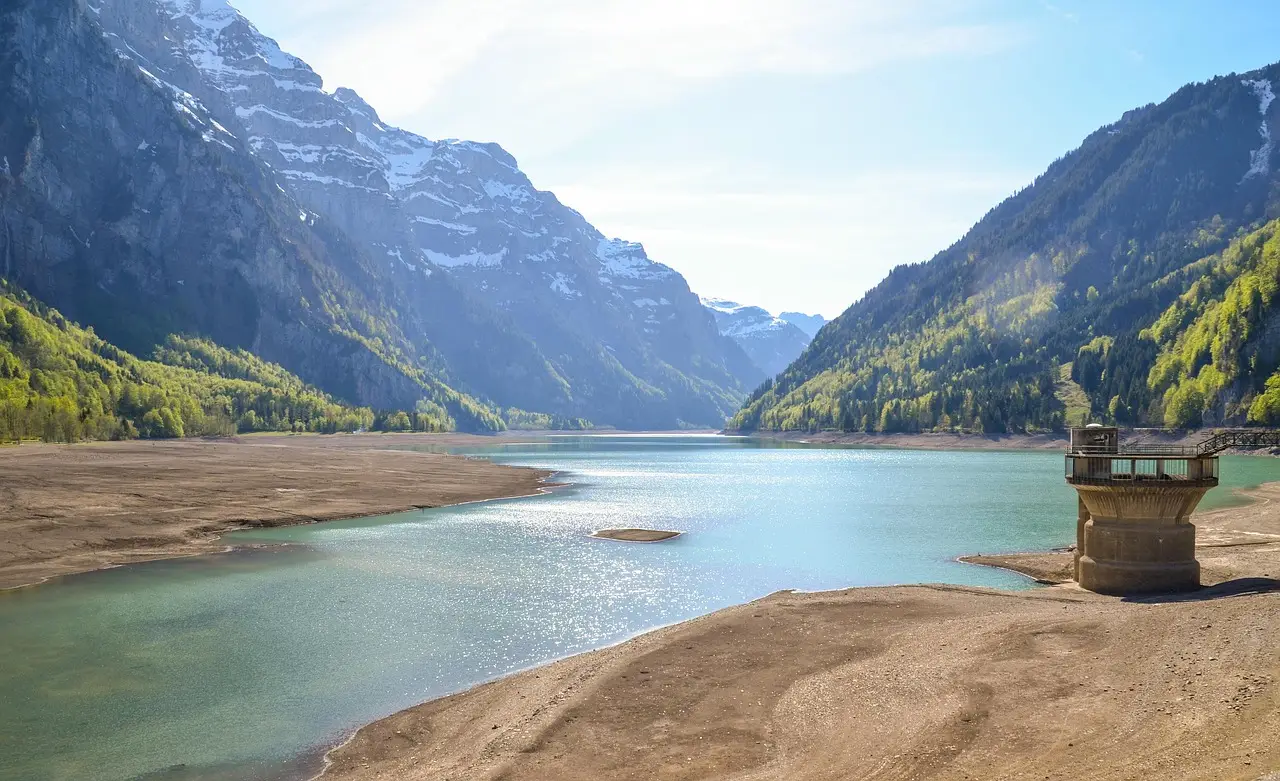
National reservoir storage at 60.2%; 14 reservoirs below 50% capacity, eight classed exceptionally low.
England needs 120% of long-term average rainfall from December 2026 to April 2027 to exit drought by spring 2027.
Severe drought designations cover six counties: Cornwall, Devon, Dorset, Somerset, East Sussex and West Sussex.
River flows fell at more than 75% of monitored gauging sites; three classed exceptionally low.
The UK Environment Agency confirmed on 27 November 2026 that 386 water abstraction licence restrictions remain active across England, as severe drought persists across six southern and southwestern counties despite recent rainfall.
Nationwide reservoir storage stands at 60.2% of capacity, the Agency reported, with 14 major reservoirs or reservoir groups below half full. Eight of those are classed as exceptionally low. Only one reservoir group in England holds a normal seasonal classification.
The numbers frame the scale of the winter recharge task. Hydrological modelling published by the Agency indicates England needs at least 120% of long-term average rainfall across the five months from December 2026 through April 2027 to exit drought conditions by spring 2027. Average rainfall alone leaves reservoirs and groundwater below operational targets entering summer 2027.
What does the report cover?
The assessment, published at 11:17 UTC on 27 November 2026, belongs to the Agency's "Dry weather and drought in England 2026" summary series. It tracks national water resource pressures, river flows and aquifer recharge. The report covers the week of 20 to 26 November 2026 and draws on reservoir storage data recorded on 24 November.
Severe drought designations remain in force across parts of six counties: Cornwall, Devon, Dorset, Somerset, East Sussex and West Sussex. Rainfall deficits continue to strain public water supplies, agricultural operations and aquatic habitats. Supply zones depending on Ardingly Reservoir in Sussex, Wimbleball Reservoir on Exmoor and upland reservoirs across Devon and west Cornwall face particular pressure.
Rainfall distribution stayed uneven. The reporting week delivered 49 mm in southwest England against 11 mm in eastern England. Western catchments gained hydrological relief. Eastern arable regions saw little rain, sustaining soil moisture deficits and delaying aquifer recharge.
How bad are river flows and groundwater?
River flows declined at more than three-quarters of monitored gauging sites during the week. Most stations now sit below normal or lower for late November. Three sites are classed as exceptionally low. National River Flow Archive records show baseflows in permeable limestone and chalk streams remain depressed after months of low recharge.
Groundwater levels fell at the majority of monitored index boreholes. Parched soils absorb rainfall before it can percolate into deep aquifers, prolonging the lag between surface storms and water table recovery.
Total reservoir storage rose 2.2 percentage points week-on-week, from 58.0% to 60.2% as of 24 November. The count of reservoirs below 50% capacity dropped from 15 to 14. The recovery is marginal against the winter requirement.
What do the restrictions hit?
The Agency maintained restrictions on 386 abstraction licences as of 27 November, down from 431 the prior week but still elevated. Statutory hands-off flow and hands-off level conditions require licence holders to halt or limit abstraction when river levels fall below regulatory thresholds.
The curbs block agricultural operators from filling winter storage reservoirs, particularly in eastern England. Farmers rely on high winter river discharge to replenish off-stream reservoirs for summer irrigation. The Agency's technical assessment notes the constraint directly.
The restrictions also reach research infrastructure. University agricultural stations in Sussex, Somerset, Devon and East Anglia face restricted withdrawals, forcing changes to irrigation scheduling for field crops, lysimeter trials and agronomy plots. Limnologists and aquatic ecologists must coordinate field sampling with local Agency offices to avoid impacts on low-flow reaches.
What happens next?
Water companies across the south and southwest, including South West Water and Southern Water, continue running drought operational schemes. Coordinated management of regional transfer mains and environmental compensation flows continues, as documented in the Agency's water situation reports for England.
The Agency will issue weekly drought summaries through December 2026 alongside monthly water situation reports. Regional drought management teams will review recharge rates bi-weekly to assess whether winter rainfall is replenishing groundwater and reservoirs.
The December-to-April window decides the outcome. If rainfall stays below the 120% threshold, regulators and water companies may deploy drought permits and enhanced conservation measures before peak summer demand in 2027.
via casrai.org (Source)
More from Rebecca Stone
Show full bio
News editor covering companies, deals and strategy in Circular economy and the environmental industry at Circular Wire.
581 articles