Compliance & Policy
FERC opens study window for 684 kW Connecticut hydro repowering
FERC set a Jan. 25, 2027, 5 p.m. ET deadline for study requests on a proposed 684 kW run-of-river repowering before federal environmental review can begin.
Waypoints
Repowered Hydro LLC filed the 684 kW project application on Nov. 10, 2026.
FERC noticed the application on Nov. 30, 2026 in Docket P-15346-003.
Study and cooperating-agency petitions are due Jan. 25, 2027, at 5 p.m. ET.
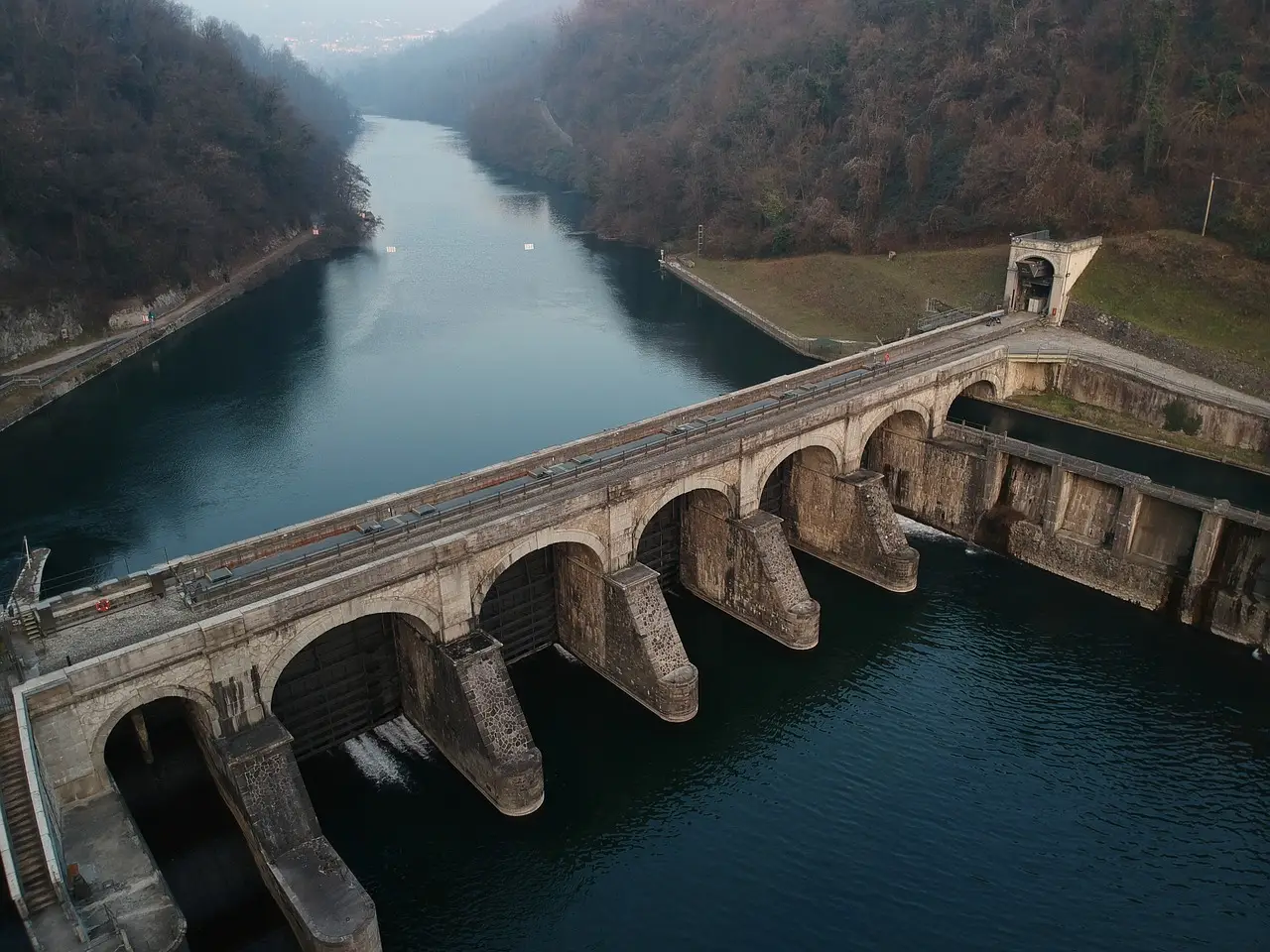
The proposed site includes a 175-foot granite-block dam and a 2.5-acre impoundment.
Any FERC-mandated field studies must finish before the application can advance to environmental analysis.
A January 25, 2027 deadline will govern FERC’s solicitation of new scientific studies for the proposed 684 kW Willimantic No. 2 Hydroelectric Project in Windham, Connecticut, which has not yet entered federal environmental analysis.
What is Repowered Hydro proposing?
Repowered Hydro LLC filed on Nov. 10, 2026 for an original minor license to operate FERC Project No. 15346-003. FERC noticed the filing on Nov. 30 under Docket P-15346-003, Federal Register document 2026-24230 and 91 FR 77147.
The project sits on the Willimantic River in the town of Windham, Windham County. Repowered Hydro describes a small-scale, run-of-river repowering that reuses historic dam infrastructure and combines stone masonry with modern generating equipment.
The filing lists:
- A primary dam 175 feet long and 11 feet high, with granite-block masonry and a crest elevation of 207.3 feet above mean sea level.
- A 140-foot ungated spillway and a 2.5-acre surface impoundment on the Willimantic River.
- A 48-foot headgate structure, a 419-foot canal and a 240-foot penstock with a 9-foot diameter, plus manual rack-and-pinion headgates.
- One turbine-generator unit and a powerhouse measuring 16.5 feet by 16 feet.
- An adjacent, non-project stone masonry dam, 115 feet long and 11 feet high, in the immediate river reach.
The 684 kW nameplate capacity falls below the 1.5 MW ceiling for an original minor license under 18 CFR Part 4, Subpart G. That status simplifies some administration compared with major multi-megawatt impoundments, but the proposal still faces federal environmental review.
For the power system, this is a sub-megawatt reuse of existing river structures, not a new large dam.
Why is FERC seeking more studies?
FERC’s Nov. 30 notice says the application is “available for public inspection” but “not yet ready for environmental analysis.” The commission invoked Section 4(e) of the Federal Power Act, 16 U.S.C. § 797, and 18 CFR § 4.32(b)(7).
The rule lets a resource agency, Indian Tribe or person request a study when they believe one is required “to form an adequate factual basis for analyzing the application on its merits.” It provides a 60-day filing period after application, while FERC’s notice set the specific deadline at 5 p.m. ET on Jan. 25, 2027.
University researchers, environmental scientists and regulatory compliance offices can use the window to propose field work on river ecology, migratory fish passage and hydrological baselines.
The Connecticut Department of Energy and Environmental Protection, U.S. Fish and Wildlife Service and NOAA Fisheries will weigh upstream and downstream fish passage, continuous minimum instream flows and thermal monitoring.
NEPA evaluation, Clean Water Act Section 401 water-quality certification and fish-passage review remain part of the minor-license process once environmental scoping begins.
Researchers and basin associations have identified data gaps around American eel and river herring, native to the Thames River basin. Work supported by the Water Research Foundation links low-head facilities with altered sediment transport and fish mortality where screening is inadequate. Programs supported by EPA research grants also identify legacy sediment behind historic mill dams as a potential contaminant store before canal reactivation.
The proposal also fits the Department of Energy’s Hydropower Program, which operates through the Water Power Technologies Office. The program supports retrofitting non-powered dams and rehabilitating legacy industrial infrastructure for clean baseload generation without new river impoundments; New England’s surviving nineteenth-century mill dams create a frequent source of repowering candidates.
FERC has not rejected the repowering; it has opened the evidence-gathering stage before deciding whether the existing record is sufficient.
What must the filings establish?
Under 18 CFR § 4.32(b)(7), each additional study request must:
- Show a direct nexus between project operations and resource impacts.
- Outline an accepted scientific methodology.
- Substantiate why existing data are insufficient.
- Include cost estimates.
University research offices and sponsored-program teams must place formal petitions under Docket P-15346-003 and align them with the federal licensing schedule. Teams pairing with state agencies should document field-safety standards, data-sharing protocols and scientific collection permits in a structured cooperative agreement.
Researchers can draw on continuous discharge and streamflow records from the U.S. Geological Survey’s Water Resources Mission Area. Its national streamgages measure seasonal flow duration and water quality, while the HydroSource digital repository supports site-specific modeling of environmental metrics and turbine hydraulics.
FERC’s project coordinator is Prabha Madduri in the South Branch of the Division of Hydropower Licensing.
Resource agencies can also seek cooperating-agency status by Jan. 25. Under 94 FERC ¶ 61,076 (2001), an agency with cooperating status cannot simultaneously intervene as a formal party, so it must choose between an advisory role and formal litigation.
A study petition must do more than propose fieldwork: it must connect the work to project impacts, explain the method and price, and show why current data fall short.
What happens after Jan. 25?
After the deadline, Repowered Hydro can respond to every study request. FERC will evaluate technical merits under 18 CFR § 4.32. If the commission mandates further empirical investigation, the applicant must finish that work before FERC issues a notice that the application is ready for environmental analysis.
Submissions must cite Docket P-15346-003. Filings can go through FERC’s eFiling portal at ferconline.ferc.gov or in paper form to Secretary Debbie-Anne A. Reese in Washington, D.C.
FERC’s post-January review is decisive: any ordered studies must finish before the proposed 684 kW repowering can move forward, because the current filing only opens evidence gathering.
via casrai.org (Source)
More from Daniel Okafor
Show full bio
Correspondent covering companies, deals and strategy in Circular economy and the environmental industry at Circular Wire.
596 articles