Compliance & Policy
Senate Passes Permitting Bill 62-33, Splitting Climate Camps
The Senate passed the first permitting reform bill in years, 62-33, speeding transmission and renewables while easing fossil and data center permits. The House decides what happens next.
Waypoints
Senate passed the Bipartisan American Affordability and Jobs Act 62-33, the first permitting reform bill to clear the chamber in recent years
Princeton's Repeat Project says U.S. transmission capacity must double to triple to decarbonize the grid by the mid-2030s
Rhodium Group and Resources for the Future project emissions falls; other modelers project a rise from fossil infrastructure buildout
Bill modifies the Federal Power Act, Clean Water Act, Endangered Species Act and NEPA
House, with a slim Republican majority, now decides the bill's fate
The U.S. Senate has passed the first serious permitting reform bill in years, by a vote of 62 to 33. The Bipartisan American Affordability and Jobs Act now moves to the House, where Republicans hold a slim majority and opponents are already working to kill it.
The bill streamlines federal permitting for energy and infrastructure projects across the board. It rewrites significant chunks of federal environmental regulation, introduces new policy mechanisms for data centers and the transmission grid, and gives developers stronger protections once a project gets the green light. Nothing in it discriminates between clean and dirty energy — that's the deal, and it's why the vote split both parties.
Four senators wrote it together: Democrats Martin Heinrich of New Mexico and Sheldon Whitehouse of Rhode Island, both vocal clean-energy supporters, and Republicans Mike Lee of Utah and Shelley Moore Capito of West Virginia. Their supporters' strategy is explicit: pass this version now, while bipartisan momentum holds, rather than gamble on a better deal from the Democratic-led Congress next year.
What does the bill actually change?
For practitioners, three streams matter.
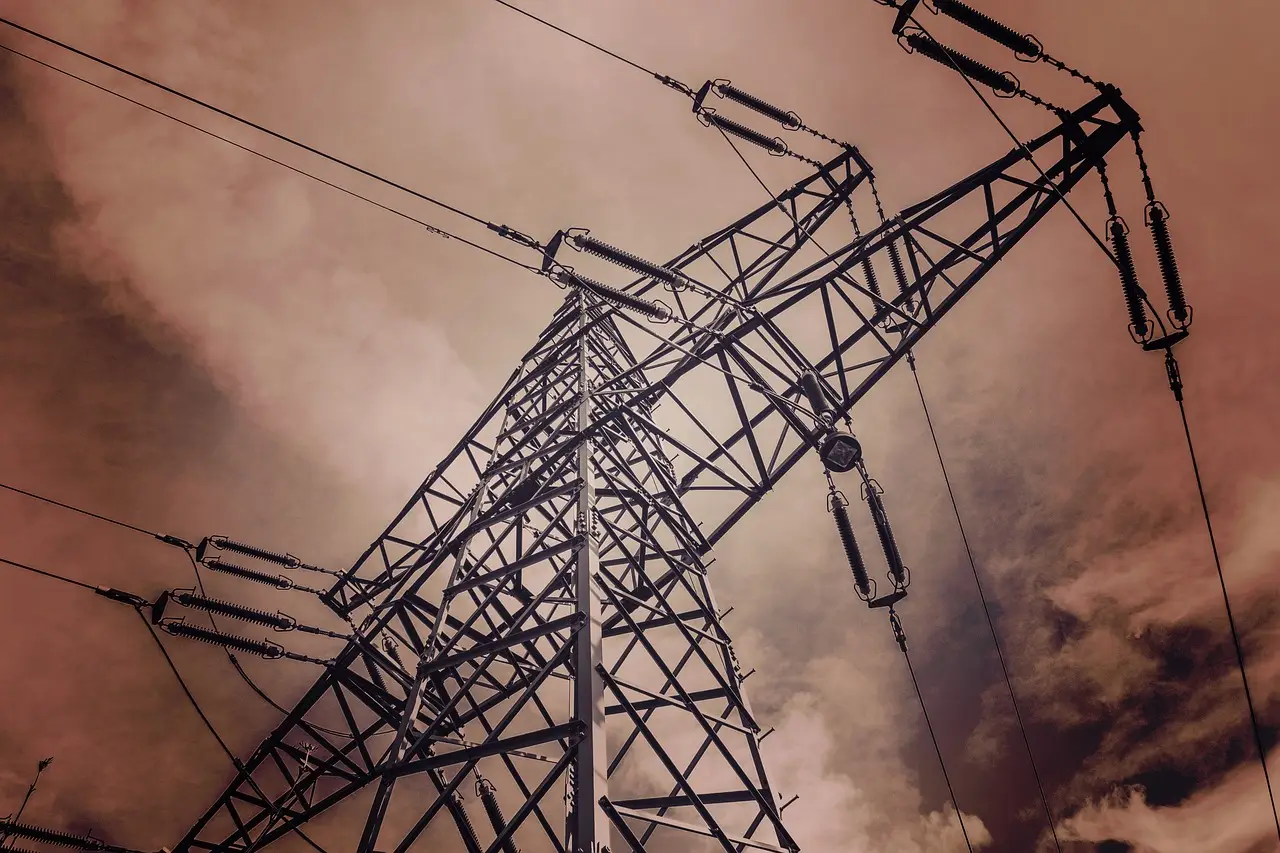
- Transmission. Analysts widely expect the bill to accelerate the buildout of power lines, the notorious bottleneck in U.S. grid development. A study from Princeton University's Repeat Project found the country must double to triple its current transmission capacity to decarbonize the grid by the mid-2030s — and construction has been sluggish.
- Renewables. The legislation is expected to speed deployment of what is already the nation's fastest-growing source of electricity.
- Fossil fuels and data centers. The same streamlining applies to fossil-fueled power plants, pipelines, and data centers — the price of the bargain.
The coalition behind the bill reflects that breadth: utilities, fossil fuel groups, the clean-energy industry, and many decarbonization advocates all lined up in support. The Sierra Club, the Natural Resources Defense Council, and a number of tribal groups oppose it. Most Democratic senators voted no.
Will emissions go up or down?
Here's the honest answer: nobody knows yet, and the models disagree.
Energy analysis firm Rhodium Group found the bill would cause greenhouse gas emissions to fall. Think tank Resources for the Future also projects a reduction. But other energy modelers conclude the bill would spur so much fossil fuel infrastructure construction that emissions would rise.
For the circularity and clean-build sectors, the transmission piece is the one to watch. Climate-minded supporters of the bill argue the energy transition simply cannot happen without changes like these — power lines being the bracing example. You can't connect new generation that isn't built yet, and America has spent years not building the wires.
What are opponents afraid of?
The legal machinery, mostly. Opponents — many of whom support faster clean energy and transmission construction — warn that the bill's modifications to the Federal Power Act, Clean Water Act, Endangered Species Act, and National Environmental Policy Act would let bad actors ram through fossil fuel and data center projects. They also fear the Trump administration would keep attacking renewable energy projects regardless of what the new law says.
Sierra Club Executive Director Loren Blackford pulled no punches in a statement: "While a rogue president is waging a war on clean energy, the Senate rushed a deeply flawed bill that furthers the buildout of fossil fuels, strips away power from communities and Tribes, threatens our clean water and public lands, and endangers wildlife." The House, Blackford added, "must reject the Senate's fast-tracked bill and demand debate and consideration to deliver for the people, not corporate polluters and Donald Trump."
Why supporters are taking the imperfect deal
Permitting reform has been a live debate for years, and legislation has stalled over and over. This is the first time in recent years a permitting bill has cleared the Senate at all. Decarbonization advocates who back it argue this is the best — maybe the last — chance to enact reforms the energy transition requires, even with significant trade-offs attached.
Lena Moffitt, executive director of Evergreen Action, a climate group backing the bill, acknowledged the legislation "includes many painful compromises" but urged the House to pass it anyway.
"For years, our broken permitting system has stalled the power lines, clean energy projects, and public transit that make life more affordable," Moffitt said. "While no single bill will solve the climate crisis or cost of living crisis on its own, this one will help us build cheap, clean energy faster and at scale and open the floodgates to the climate solutions we know are needed to save millions of lives."
What happens next
The House is the deciding milestone. If the Republican-led chamber passes the Senate's version, the federal permitting environment for every energy project — wind farm, pipeline, transmission line, data center — changes at once, with the trade-offs baked in. If the House blocks it, permitting reform goes back to the shelf where it has sat for years, and the transmission gap the Repeat Project flagged stays open. Watch the House calendar; the bipartisan momentum is the perishable asset here.
By Elena Vasquez, Circular Wire
via canarymedia.com (Source)
More from Elena Vasquez
Show full bio
Senior reporter covering technology and product news in Circular economy and the environmental industry at Circular Wire.
575 articles