Compliance & Policy
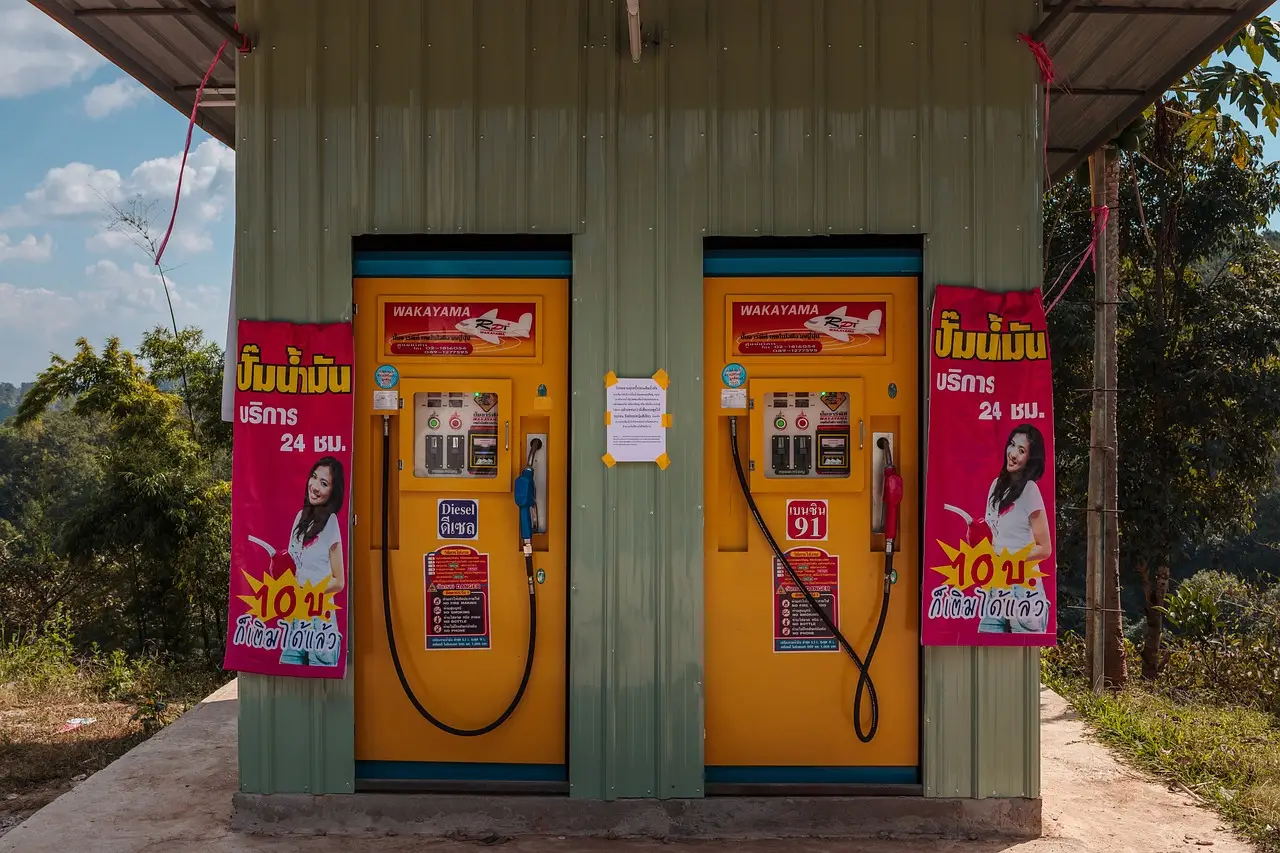
Thailand’s fuel draft targets gasohol 91 phase-out in 2027
Thailand’s draft fuel plan could end gasohol 91 sales by 2027, with consultation closing November 27 and E20 already available at more than 6,000 stations.
Waypoints
DOEB’s draft could end gasohol 91 sales by 2027 and targets E20 at 50% of petrol sales by 2032.
Public consultation closes November 27, while the Oil Plan 2026 runs through 2050.
More than 6,000 service stations in Thailand already sell E20.
Legal reserve rules require 6% of crude oil and 1% of oil products, equal to roughly 40 to 50 days of usable stocks.
Cars made before 2008 cannot run on E20 or B20, according to the Thai Automotive Industry Association.
By Elena Vasquez
More than 6,000 service stations in Thailand already sell E20, giving the Department of Energy Business (DOEB) a distribution base for a draft plan that could end gasohol 91 sales by 2027.
The DOEB’s Oil Plan 2026 runs through 2050 and would designate gasohol 95 and E20 as the country’s base petrols, with B7 as the base diesel. The document remains in public consultation, with comments open until November 27. It also targets E20 at half of petrol sales by 2032.
Has the government approved the phase-out?
Not yet. On November 11, Prime Minister Anutin Charnvirakul dismissed reports of a 2027 phase-out. He said gasohol 91 and 95 "would not disappear overnight" and that any change must rest on studies and reliable figures.
In remarks published on November 13, Energy Ministry Spokesperson Phongphon Yodmuangcharoen said ending sales of both grades is "a long-term framework rather than a decision." The ministry wants to persuade drivers rather than force them, using price as the main incentive, and to phase out grades gradually with options for cars that cannot use E20.
That leaves the draft’s 2027 gasohol 91 endpoint intact as a proposal, but without a final policy timetable for implementation.
What would change at fuel pumps?
The draft would steer gasohol 91 users toward E20 and separately propose studying whether to end regular unleaded 95, or ULG 95, sales by 2032. That separates a 2027 endpoint for gasohol 91 from a review of the 95 grade five years later.
For fuel distributors and station networks, E20 would become the central growth grade, with more than 6,000 outlets already selling it. The draft therefore changes both the future shelf mix and the timetable for moving users off gasohol 91.
Why is the draft changing?
DOEB Director-General Sarawut Kaewtathip said the department updated its 2024 plan for three reasons:
- Thailand brought its net-zero target forward from 2065 to 2050.
- The country went through an energy crisis early this year.
- Electric vehicles and hybrids continued to grow as the energy transition gathered pace.
Those changes place the fuel-grade schedule inside Thailand’s wider decarbonization and energy-security policy, rather than treating petrol grades as isolated retail standards.
What happens to older cars?
Yupin Boonsirichan of the Thai Automotive Industry Association said cars made before 2008 cannot run on E20 or B20. She asked the government to keep gasohol 95, identified as E10, rather than cut other grades, and to set a clear, continuous policy.
She also raised B20 compatibility, although the draft identifies B7 as the base diesel. Her intervention highlights an unresolved gap between the proposed retail timetable and the fuel options available to older vehicles.
What does the oil-reserve proposal change?
The draft also proposes buying crude oil from more countries and studying a strategic oil reserve. Current legal reserve requirements cover 6% of crude oil and 1% of oil products, providing usable reserves of roughly 40 to 50 days.
The reserve study does not announce a new stock level. It asks policymakers to consider a strategic buffer alongside broader import diversification, linking the fuel-grade debate to the government’s energy-crisis response.
When does this become policy?
The November 27 consultation deadline is the next milestone. For fuel suppliers and station operators, the decisive questions are whether the final plan retains gasohol 91’s 2027 endpoint, sets E20’s 2032 share and provides a transition path for vehicles unable to use E20.
Thailand’s November 27 consultation close is the next hard marker before the 2027 gasohol 91 phase-out can move from draft to policy.
via thethaiger.com (Source)
More from Elena Vasquez
Show full bio
Senior reporter covering technology and product news in Circular economy and the environmental industry at Circular Wire.
580 articles