ESG for Industry
TNFD Buys 110 Biodiversity Units to Cover AI Footprint of Its Report
TNFD bought 110 Tebus at $45 each from Terrasos to cover the AI footprint of its annual report, funding protection of Colombian cloud forest habitat.
Waypoints
TNFD purchased 110 Tebus at $45 each to cover AI used in its latest annual report
One Tebu protects 10 square meters of verified habitat for 30 years
Terrasos estimates AI queries at 0.03 to 1.14 grams of CO2 each
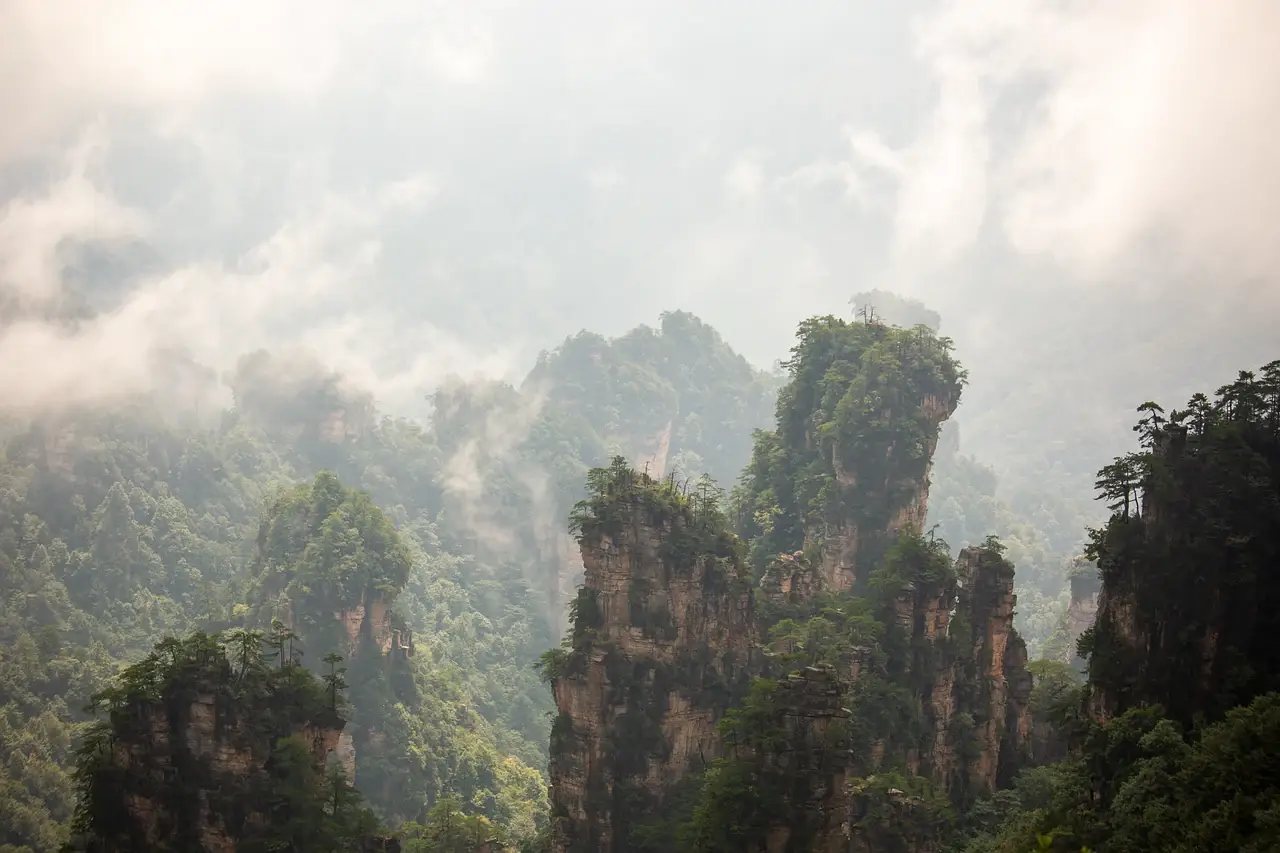
Credit revenue funds protection of a Colombian cloud forest
Terrasos is negotiating a credit deal with Brazilian cosmetics firm Natura
The Taskforce on Nature-related Financial Disclosures (TNFD) has purchased 110 biodiversity credits at $45 each to address the ecological footprint of the artificial intelligence used to produce its most recent annual report. The transaction, the first under a new service from Colombia-based credit provider Terrasos, directs revenue toward protection of a Colombian cloud forest.
The deal opens a commercial channel for a footprint category that has so far resisted measurement: the emissions, water use and land use triggered by every query sent to AI services such as ChatGPT and Claude. Terrasos says its methodology converts those inputs into a purchasable unit of nature protection.
How does the service price an AI query?
Terrasos applies a three-stage process.
- Estimate the outputs. The company uses independently validated metrics to estimate the likely range of impacts a single AI query has on emissions, water and land. The land calculation includes the area covered by facilities generating the electricity used by the data center that processed the query. For emissions, Terrasos applies a range of 0.03 to 1.14 grams of carbon dioxide per query.
- Translate into biodiversity impacts. A methodology developed by researchers in the Netherlands converts those output numbers into the Potentially Disappeared Fraction (PDF) — the share of species a place is expected to lose due to the emissions, water use and land consumption a query triggers. An impact of 0.02 PDF would mean two species out of a hundred in a given area are displaced.
- Make a contribution. Buyers purchase an amount of Tebus — short for Terrasos biodiversity units — proportional to their PDF score. One Tebu protects 10 square meters of verified habitat for 30 years.
The structure resembles the voluntary carbon market, in which companies fund projects outside their value chains to compensate for impacts they cannot eliminate. Terrasos rejects that framing.
Why are these credits not offsets?
Claiming a Tebu as an asset comparable to a carbon credit would be "problematic in that we don't know where the impact is being produced and we are not compensating with a like-by-like ecosystem," said Mauricio Serna, Terrasos' country manager for Brazil. No mechanism currently identifies which data center executed a given AI query, and even if it did, finding and funding a nature project in that same ecosystem would be impractical, Serna explained.
Terrasos instead applies conservative assumptions tied to high levels of impact — assuming, for example, that all data centers displace tropical forests. The company describes Tebus as a contribution to nature protection proportional to AI use, not an attempt to offset it.
"That's a good thing," said Martin Stuchtey, a former senior partner at McKinsey and author of a forthcoming book on valuing natural systems. The voluntary carbon market rests on the sequence of harm first, credit purchase second, Stuchtey noted. Framing nature credits as a contribution rather than compensation opens the door to a "nature-positive" approach in which companies rebuild ecosystems rather than merely cancel out damage.
Where does the buyer market sit?
Terrasos has built its business to date on sales to energy and infrastructure companies required to make nature contributions under Colombian compliance markets. The TNFD transaction marks its entry into voluntary purchases tied to digital services.
A second deal is in progress with Natura, a major Brazilian cosmetics and personal care company. Natura is interested in purchasing credits that protect the ecosystems it sources ingredients from, according to Terrasos.
The TNFD purchase, small at $4,950 in total credit value, functions as a proof of concept from the standards body that sets nature-related disclosure expectations for corporations. Whether corporate AI users adopt proportional nature contributions at scale will depend on the credibility of the PDF methodology and on disclosure frameworks treating computed biodiversity footprints as reportable impacts.
via tebu.terrasos.co (Original)
More from Rebecca Stone
Show full bio
News editor covering companies, deals and strategy in Circular economy and the environmental industry at Circular Wire.
516 articles