Cleantech & Investment
Transgrid wins Hunter contract for 110 km 500 kV transmission line
Transgrid will build, operate and maintain the 110 km Hunter 500 kV line after EnergyCo awarded the contract, targeting up to 5 GW of added transfer capacity.
Waypoints
Transgrid will build, operate and maintain the 110 km Hunter transmission project.
The planned infrastructure includes a 500 kV line, two new switching stations and two substation upgrades.
EnergyCo expects the project to unlock up to 5 GW of additional electricity transfer capacity.
Construction is scheduled for 2027, with full operation expected in late 2029.
The construction program is expected to create 900 jobs.
Transgrid has won the contract to build, operate and maintain a 110-kilometre, 500 kV Hunter transmission line expected to add up to 5 GW of electricity transfer capacity to New South Wales’ grid.
The NSW government, through state energy agency EnergyCo, awarded the contract as ageing coal-fired stations progressively retire. The project aims to connect renewable energy zones with electricity users in the Hunter, Sydney and Illawarra. None of the proposed 5 GW is operating capacity yet; it is a planning target tied to a line scheduled for full operation in late 2029.
Which infrastructure is planned?
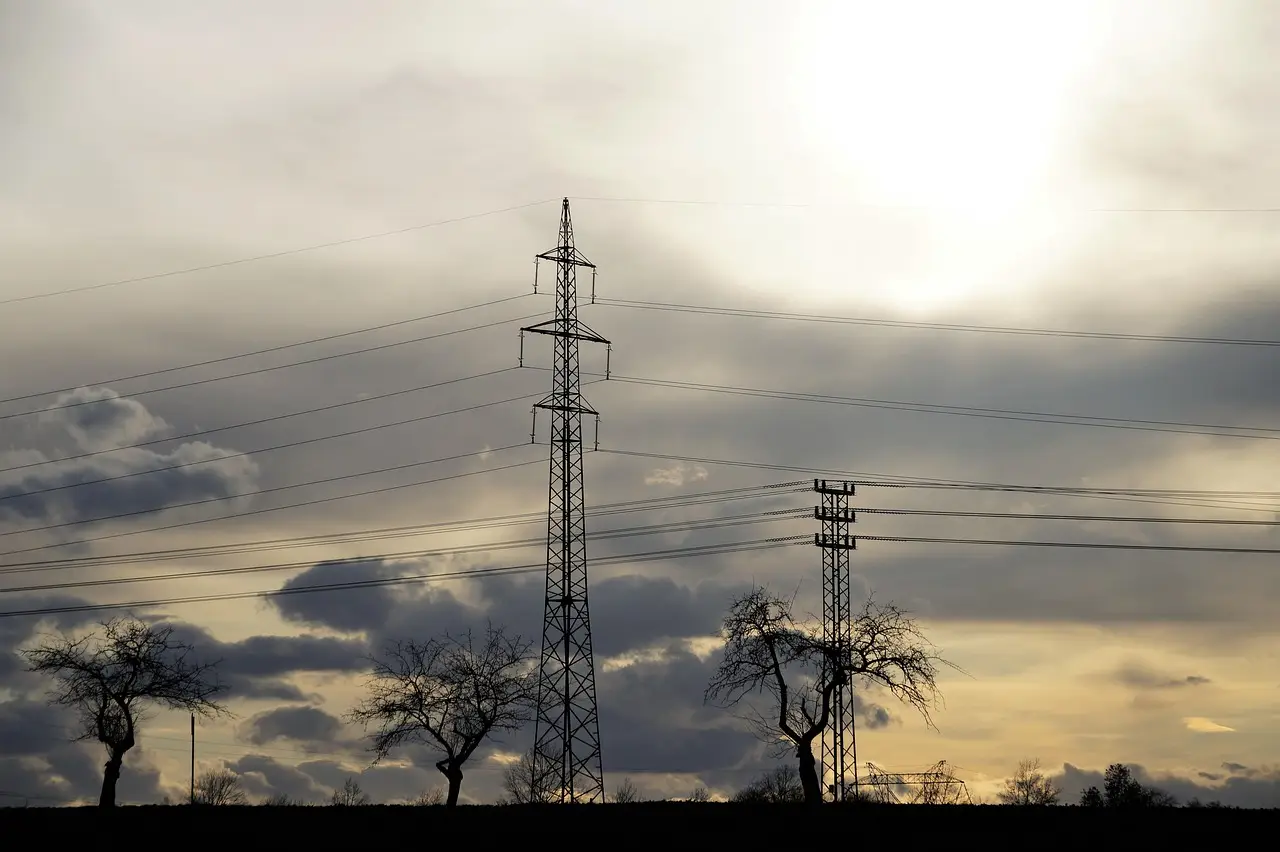
- A new above-ground 500 kV transmission line between Bayswater in the Upper Hunter and Olney in the Lower Hunter, 110 kilometres long.
- New switching stations at Bayswater South and Onley State Forest.
- Upgrades to the existing Bayswater and Eraring substations.
The line will connect with existing 500 kV transmission lines already operated by Transgrid. EnergyCo said the wider infrastructure will form a critical part of the state grid, linking the New England and Central-West Orana renewable energy zones with homes and businesses in three major demand regions.
Takeaway: The physical plan is specific, but every major asset remains unbuilt.
What does the award change for the grid?
Transgrid will manage delivery before taking on long-term operation and maintenance. EnergyCo will retain its planning and oversight role as infrastructure planner. The appointment therefore changes responsibility for delivery, not the project’s basic purpose.
EnergyCo Chief Executive Officer Hannah McCaughey said:
“This is a critical piece of infrastructure that will increase the capacity of the electricity network and help unlock new renewable generation and storage. By creating a new 500 kV transmission line and connecting it to existing infrastructure, the HTP will form the backbone of NSW’s future electricity grid.”
McCaughey said the project would enable access to cheaper renewable energy for millions of consumers across NSW as coal generation retires. The 5 GW figure measures additional transfer capacity, however, rather than a committed block of new generation. EnergyCo presents the line as grid infrastructure that can accommodate more renewable generation and storage.
EnergyCo called Transgrid’s appointment a major milestone that moves the project closer to construction. For a supposed backbone, the line still needs the less photogenic work of design, engineering and management planning.
Takeaway: The network constraint now has a delivery team, but it will remain in place until the line enters service.
Who builds the line, and when?
EnergyCo has awarded design and construction contracts to Downer for the transmission lines and UGL for the substations. The agency said those appointments position the project to move quickly into the next delivery phase.
Transgrid Chief Executive Brett Redman said:
“Our focus now is on delivering this essential transmission infrastructure safely and efficiently for the NSW government as the state transitions to a more reliable, secure and affordable energy future.”
The project team will now develop detailed design, engineering and management plans before construction begins in 2027, in line with the project’s conditions of approval. Full operation is expected in late 2029.
Takeaway: Contracts are in place, but approval conditions and detailed planning set the pace for the 2027 start.
What does the Hunter gain?
The construction program is expected to create 900 jobs. EnergyCo also expects broader social and economic benefits across the Hunter region, including supply contracts for local businesses.
About 90% of the project corridor will follow mining, energy and government-owned land, according to EnergyCo. The agency said that land alignment would minimise impacts on people, properties and the environment. That figure describes corridor planning rather than completed ground work, so the promised local benefits also remain tied to delivery.
Takeaway: Local employment and contracts are forecast benefits, not results already delivered.
The next gate is procedural rather than promotional: detailed design, engineering and management plans must precede construction under the project’s approval conditions. The market test follows in late 2029, when full operation and the promised transfer capacity are expected to become measurable.
via pv-magazine-australia.com (Source)
More from Olivia Hart
Show full bio
Staff writer covering regulation, policy and their impact on Circular economy and the environmental industry at Circular Wire.
560 articles