Industrial Decarbonization
Victoria's Grid Future Hinges on Two Lines and One Election
Victoria's election could decide the fate of the 190 km Western Renewables Link and VNI West, with the Coalition pledging to cancel the interconnector outright.
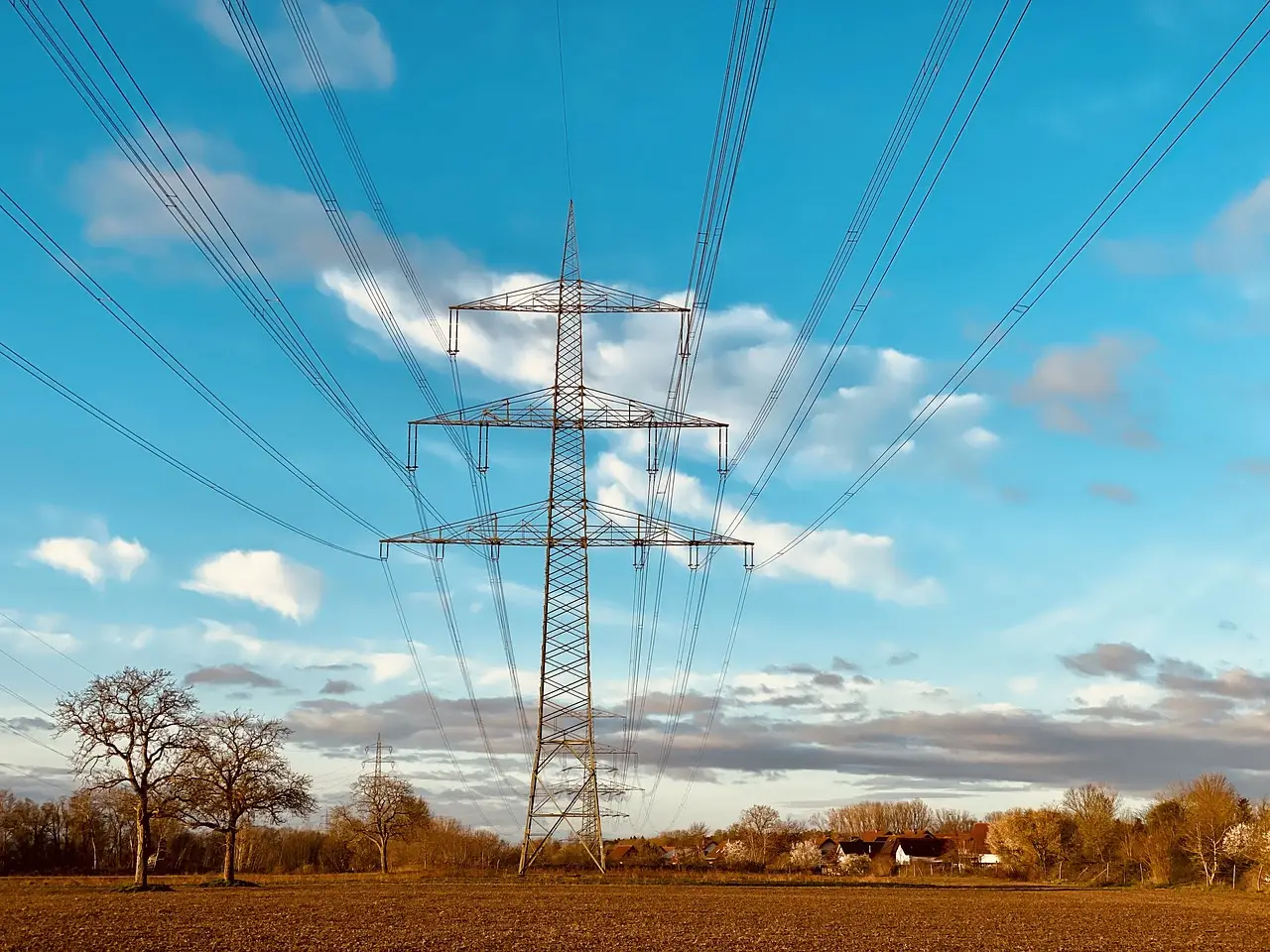
Waypoints
The Western Renewables Link runs 190 km west of Melbourne; VNI West spans about 240 km in Victoria plus a similar length in NSW.
The Coalition pledged in August to cancel VNI West if elected; One Nation wants both major lines scrapped.
Renewables supplied about 44% of Victoria's electricity last year as coal plants retire.
Landholders hosting power lines are offered $200,000 per kilometre in benefit payments on top of compensation.
Premier Ben Carroll ordered an immediate cost assessment of the WRL in September while keeping Labor committed to VNI West.
Two high-voltage projects totalling roughly 670 kilometres — the 190 km Western Renewables Link and the ~480 km Victoria–NSW Interconnector West — now hang on the outcome of Victoria's state election, with the Coalition promising in August to cancel VNI West outright if it wins government.
Neither line has begun construction, though both are well advanced through state planning processes. Renewables supplied about 44% of Victoria's electricity last year, and the coal fleet that carried the state for a century is retiring plant by plant. New transmission is a key component of the state's transmission plan, the federal Rewiring the Nation program and AEMO's 2026 Integrated System Plan — it's the connective tissue between rural solar and wind farms and the cities and industrial loads that need the power.
Where do the parties stand?
The positions have hardened across the campaign:
- The Coalition first promised to pause both projects pending a review of Victoria's transmission plan, then changed tack in August and pledged to cancel VNI West if elected.
- One Nation has gone further, pledging to scrap VNI West, the WRL and other major transmission projects.
- Labor, under Premier Ben Carroll, ordered an immediate cost assessment of the WRL in September but remains committed to building VNI West.
- The Greens support new transmission to unlock renewables, while criticising the government's handling of the WRL.
Vocal opponents of the projects are running as regional candidates for the Nationals and One Nation. Polls suggest a change of government is on the cards — which puts both lines in genuine doubt.
What's driving rural opposition?
A recent survey shows the energy transition has majority support in regional Victoria. But the opponents are organised, and their concerns run from farming disruption and visual impact to bushfire risk, biodiversity loss and pressure on local services. Gannawarra Shire Council formally opposes VNI West.
A common theme is the sense that rural areas are carrying the burden for urban energy users. One protest sign distilled it bluntly: "Our job is to feed the city not supply its electricity!"
The state government has offered benefit packages of $200,000 per kilometre to landholders hosting power lines, on top of compensation payments and community benefit funds. To put that in perspective, a farm crossed by 10 km of line stands to gain $2 million in payments alone. Some farmers welcome that stable income through lean years. For others, money isn't the issue — it's distrust of the consultation process and project backers.
Experts have flagged misinformation and disinformation amplifying opposition, and that's a factor. But there are legitimate grievances in the mix, including one structural difference from generation projects: transmission operators can compulsorily acquire easements on private land. Solar and wind farms need willing hosts; power lines don't ask.
Is it really about the lines?
Recent research shows opposition to transmission is partly a proxy for bigger regional frustrations — extreme weather, cost-of-living pressures, deteriorating roads, poor access to services. The two Victorian council areas with the highest proportion of roads in poor condition, Gannawarra and Buloke, both sit in VNI West's path.
Research from the Centre for Environmental Governance points to four lessons for future projects: early and sustained community engagement; treating transmission as part of cumulative regional change rather than an isolated project; governments, business and communities working together at regional level to manage effects and capture benefits like jobs and investment; and designing benefit programs with affected communities rather than imposing them top-down.
What happens if the lines die?
If Victoria scraps its transmission projects without a credible alternative, the state faces a real risk of less reliable electricity while the coal fleet exits. That's the trade sitting behind the campaign rhetoric.
The election decides it.
via pv-magazine-australia.com (Source)
More from Elena Vasquez
Show full bio
Senior reporter covering technology and product news in Circular economy and the environmental industry at Circular Wire.
546 articles