Compliance & Policy
China backs 35% electrification goal as COP31 weakens pledge
China endorsed COP31’s 35% electrification goal, but draft language made the pledge voluntary and stalled talks, exposing tensions over coal, gas and clean-tech trade.
Waypoints
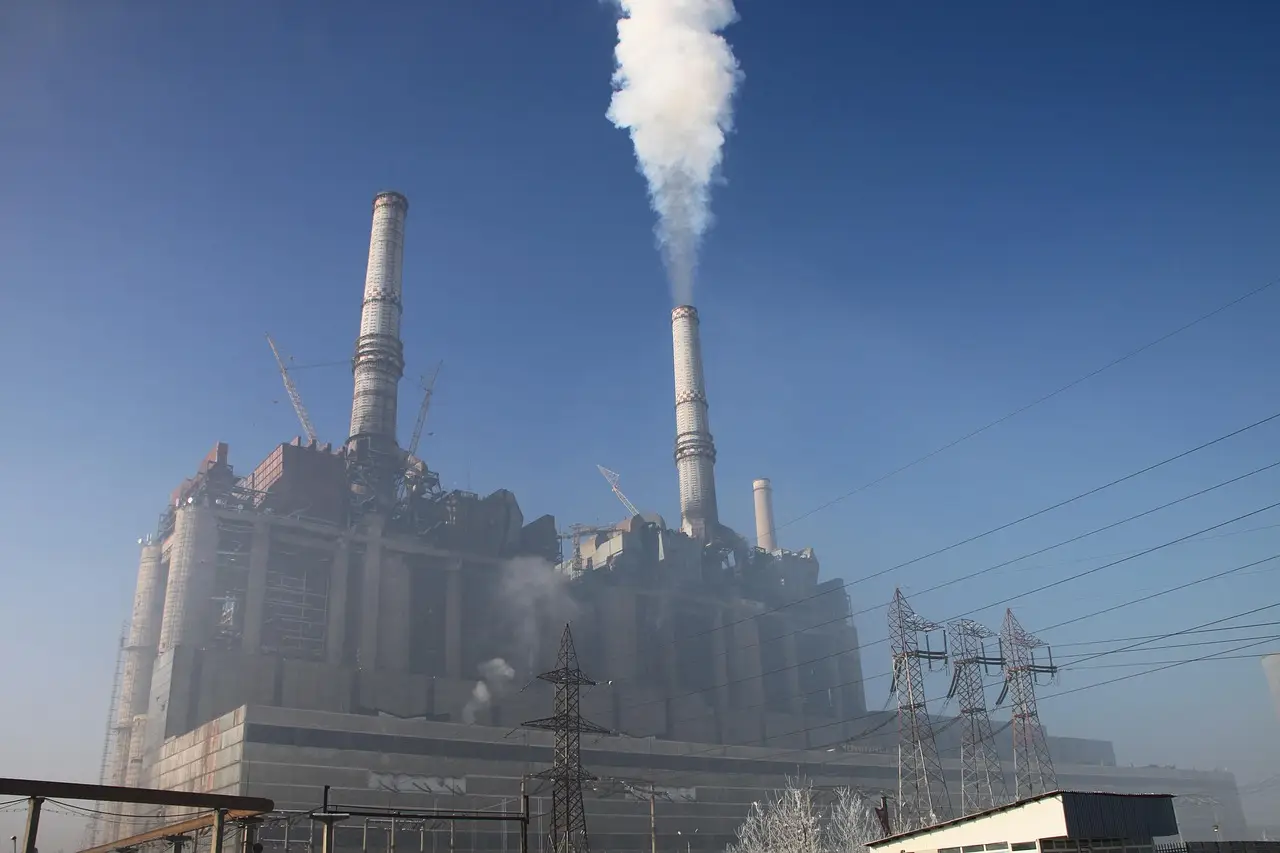
China produces more than 25% of global greenhouse gases; electricity supplied nearly 30% of its energy use last year.
China is on track for electricity to reach 35% of its energy use by 2030.
COP31’s target calls for electricity to provide 35% of final energy consumption by 2035, but the second draft makes the pledge voluntary.
Australia and China signed a joint statement endorsing the 35:35 goal on Friday night.
COP31 talks were scheduled to end at 6pm Friday, but negotiators left after the talks stalled.
More than 25% of global greenhouse-gas emissions come from China, which last year drew nearly 30% of its energy use from electricity and is on track to reach 35% by 2030.
China is the world’s biggest emitter by far, so its rapid, low-carbon electrification push carries global weight. It also gives COP31 negotiators a test of whether clean power can scale without imposing one national model on every country.
What does the 35:35 target change?
Countries at COP31 are being asked to sign up to a target of deriving 35% of final energy consumption from electricity by 2035. Australia, the president of the negotiations, and host nation Turkey have pushed that proposal.
Friday night, Australia and China signed a joint statement endorsing the “35:35” goal. But the second draft of the probable summit outcome, released Thursday, downgraded the electrification pledge to one of a suite of voluntary options for reducing greenhouse-gas emissions.
The text still gives countries a route to electrification, but without making the common 2035 percentage or its source mandatory. That flexibility may broaden support, although it also leaves each signatory considerable room to choose its power mix.
Why electrification matters for fossil-fuel use
Experts said electrification is the next vital step toward a low-carbon economy and the only way to diminish the close to 80% of fossil fuels still used for primary energy. Most of that fossil-fuel use is tied to transport, heating and industry.
Electricity is also several times more efficient than fossil fuels. Electric vehicles, heat pumps and industrial processes therefore take far less energy to run than their fossil-fuel counterparts, giving China a direct efficiency case for its power-sector transition.
China’s electricity share was nearly 30% last year, against the 35% it is on track to reach by 2030. The country’s support for COP31’s 2035 ambition therefore rests on an established domestic trajectory rather than a new pledge alone.
How much national discretion will countries retain?
Civil-society organisations want any electrification commitment to specify that it must come from clean sources. A pledge that leaves the choice to countries is likely to attract more support because many, including China and India, resist what they see as top-down interference in national plans.
Campaigners argue that national discretion could open the door to more gas-fired power plants. Compromise language is also possible that would urge countries to decarbonise their power without setting a uniform electrification percentage.
At the talks, Wang Yi — a professor of energy and environment policy at the Chinese Academy of Sciences, a senior adviser to China’s government and a senior member of its delegation — said: “End-use electrification is a very clear direction. We can follow this direction while making the source of electricity clean. That’s the way to go forward.”
He said China would do its best to realize clean end-use electrification, help other countries improve, and share its experience after significantly reducing the cost of clean technology and products. His comments put cost reductions and shared experience alongside the 35% target as China’s offer.
Can China meet the clean-power test?
Wang said the 2035 target presented no problem, but meeting it entirely with low-carbon electricity would be difficult even for China and harder for other countries. He also said China still operates many coal-fired stations and plans some new ones, though fewer than before.
Coal would provide back-up during the transition to clean energy, Wang said. That approach puts China’s near-term power mix at the center of the debate over whether electrification can expand without locking in new fossil generation.
Why is fossil-fuel language disappearing?
A Cop28 resolution passed at the Dubai summit in 2023 included the transition away from fossil fuels, but countries have not fleshed out that commitment since. The phrase appeared in Monday’s first draft of the COP31 cover decision, then disappeared from Thursday’s second draft, dismaying governments and campaigners.
Wang said China agrees with paragraph 28 of the UAE consensus, but one roadmap will not fit every country. Beijing therefore favors country-based solutions that can establish renewable-based power systems, while still helping other nations develop their own routes.
What do clean-tech trade barriers mean for COP31?
China also wants climate talks to address trade barriers on clean-technology exports, including US tariffs on Chinese goods under Donald Trump and the EU’s carbon border adjustment mechanism. The dispute reaches beyond energy equipment into manufacturing competitiveness.
The CBAM penalizes imports from countries with looser carbon rules than the EU and forces companies in high-carbon sectors to pay for their emissions to level the playing field.
Smaller developing countries have criticised the EU, warning that CBAM will hamper their manufacturing industries. The EU says it has processes in place to ensure those countries are not hurt. Wang called for climate summits to find a unified approach and said China, other developing nations and the global south disagree with the EU, making continued dialogue essential.
What has to change in the final text?
Jiangwen Guo, a senior research fellow at Chatham House, said: “China has very consistent top-down policies [and] sets a clear direction with high consistency, then follows with learning by doing. In the great energy transition, there is no one ahead of China. China is creating the model for the globe.”
Yet the summit itself remained unsettled. Negotiators were due to finish at 6pm on Friday, but the summit sent them home late after talks stalled. They did not think a new draft of the cover decision, the main summit outcome, would emerge until some time Saturday morning. Negotiations were likely to continue into Saturday and potentially beyond.
The next milestone is the final cover decision: whether the 35% electricity goal survives as a voluntary option or gains a clean-source condition, and whether the fossil-fuel transition language returns. That text will determine whether COP31 produces a common direction or leaves each country to set its own power-sector route.
via theguardian.com (Source)
More from Elena Vasquez
Show full bio
Senior reporter covering technology and product news in Circular economy and the environmental industry at Circular Wire.
575 articles