Compliance & Policy
England and Wales weigh Warm Home Discount retrofit pause
A four-week consultation opened 23 November 2026 proposes removing insulation and solar from Warm Home Discount initiatives in England and Wales, while Scotland keeps a supervised route.
Waypoints
£150 annual Warm Home Discount electricity-bill rebate, funded by a supplier levy
Nearly £6 billion in cumulative support reached about 5.7 million households
Consultation opened 23 November 2026 and closes at 11:59 p.m. GMT on 20 December 2026
England and Wales would redirect unchanged supplier spending from capital works to debt relief and advice
Amended rules could take effect in spring 2027 for the 2027-28 scheme year
A four-week UK consultation opened on 23 November 2026 could remove insulation and microgeneration from supplier-funded Warm Home Discount initiatives in England and Wales before the 2027-28 scheme year.
What is under review?
The Department for Energy Security and Net Zero (DESNZ) proposes removing insulation and microgeneration from Warm Home Discount industry initiatives until an overhauled consumer-protection framework under the Warm Homes Plan takes effect.
Established in 2011, the scheme gives eligible low-income households £150 in annual electricity-bill rebates, financed through a levy on domestic energy suppliers. DESNZ says it has delivered nearly £6 billion in cumulative support and reached about 5.7 million households across Great Britain in winter 2025-26.
Licensed suppliers must also fund non-rebate initiatives, designed directly or through local authorities, housing associations and charities. Eligible work currently includes:
- Energy debt assistance and benefit entitlement checks
- Heating advice and energy-efficient appliances
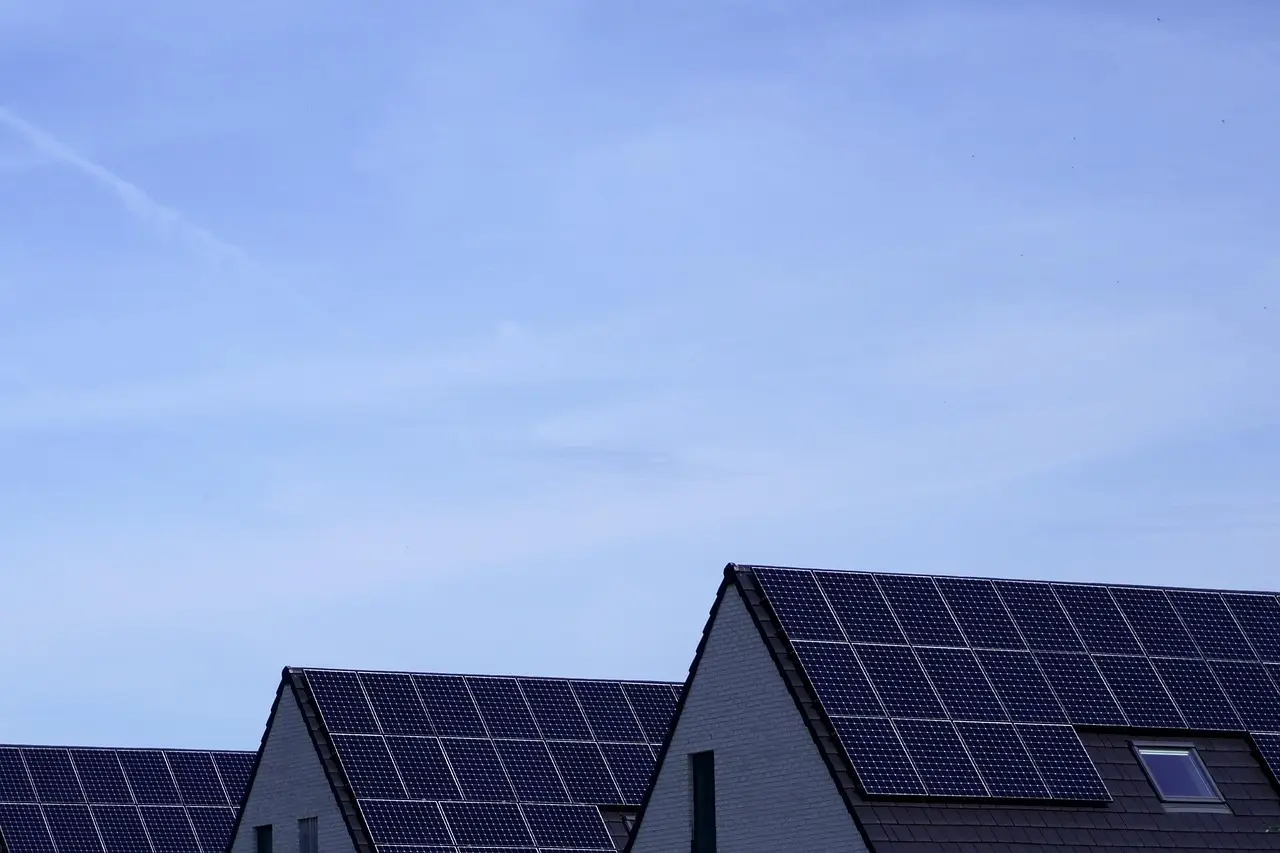
- Thermal insulation, rooftop solar panels and plug-in solar devices
The proposal keeps the £150 rebate but narrows the capital work behind it.
What changes in England, Wales and Scotland?
Under the English and Welsh proposal, total statutory spending obligations for suppliers would not change. Capital funds would shift to financial assistance, debt relief and energy advice. DESNZ is seeking evidence on whether existing spending caps for customer debt relief should change.
The consultation separates the rules for England and Wales from Scotland's devolved fuel-poverty strategy. Scotland would retain insulation and microgeneration where measures align with publicly funded retrofit schemes or fall under an independent Clerk of Works. Enhanced technical standards and local oversight would replace the proposed English exclusion.
Projects formally notified to the Office of Gas and Electricity Markets (Ofgem) before amended regulations take effect in spring 2027 could complete under grandfathering provisions.
One supplier levy would produce two regulatory regimes, with legacy projects protected only if Ofgem receives timely notice.
Why did DESNZ propose the pause?
The Warm Home Discount operates under Part 2, sections 9 to 15 of the Energy Act 2010, which empowers ministers to require suppliers to reduce fuel poverty.
DESNZ says the scheme's industry-initiative rules lack bespoke consumer protection and technical quality assurance for capital works. It cites structural damp, mould and ineffective warranties where installations are poorly designed or substandard.
Major retrofit programmes such as the Energy Company Obligation 4 (ECO4) and Great British Insulation Scheme (GBIS) require PAS 2030 and PAS 2035 installation standards. Technical audits found substandard work, inadequate property assessments and installer insolvencies that left unresolved damage in vulnerable households.
DESNZ acknowledged that audits did not establish widespread detriment specifically within Warm Home Discount initiatives. It nevertheless concluded that keeping an unaccredited installation route alongside regulated schemes presents “unacceptable consumer risks.”
The pause rests on consumer protection, even though the evidence does not establish a broad failure inside Warm Home Discount.
Who is arguing, and about what?
Energy suppliers welcomed regulatory clarity but warned that changing delivery contracts within the four-week consultation would create administrative burden. Retrofit contractors and solar trade groups expressed strong concern about the exclusions, saying supplier initiatives fund vulnerable households that do not meet strict ECO4 criteria.
Installers argued that applying PAS 2035, as Scotland proposes, would protect households without removing access to clean technology. Fuel-poverty advocates welcomed stronger safeguards but said redirecting money to debt relief treats immediate symptoms rather than poor energy efficiency.
Environmental analysts tracking Office for National Statistics emissions accounts said halting capital upgrades could slow household carbon reductions.
The dispute is not over consumer protection; it is over who should pay for insulation and solar.
What does it mean for research teams?
University energy institutes and engineering departments that collaborate with housing associations, municipal authorities and energy suppliers on building-fabric and smart-microgeneration trials should review active consortium agreements for reliance on Warm Home Discount hardware co-funding. Partners may curtail that support by spring 2027.
Research teams need alternative capital from sources such as UK Research and Innovation, Innovate UK or regional Net Zero programmes. Grant-funding statistics can help set replacement targets and preserve experiment schedules if utility partners withdraw matching capital.
Audit teams should track regulatory approvals, project milestones, subcontractor certifications and Ofgem delivery notifications, using compliance software where appropriate. For sensor, smart-meter and solar-logger data, protocols under the UK Concordat on Open Research Data must preserve comparability across cross-border cohorts subject to different regional regimes.
Academic projects face a funding and data-governance test before the scheme year changes.
What happens next?
The consultation closes at 11:59 p.m. GMT on 20 December 2026. Responses can go through the GOV.UK digital consultation portal or directly to DESNZ's Warm Home Discount consultation team. The condensed window is intended to leave sufficient parliamentary time to enact changes.
After closure, DESNZ and the Scottish Government will assess submissions and publish a formal response, a Public Sector Equality Duty assessment and an Environmental Impact Assessment. If ministers confirm the approach, secondary legislation amending the Warm Home Discount Regulations would go to Parliament in early 2027 and take effect in spring 2027 for the 2027-28 scheme year.
Suppliers and delivery partners must notify all eligible projects to Ofgem before the amended rules take effect.
Spring 2027 is the decisive milestone: amended regulations and Ofgem's project-notification deadline will determine which capital retrofits can continue.
via casrai.org (Source)
More from Olivia Hart
Show full bio
Staff writer covering regulation, policy and their impact on Circular economy and the environmental industry at Circular Wire.
581 articles