Compliance & Policy
FERC Clears Boralex 2.9 MW Warrensburg Hydro License for Environmental Review
FERC has ruled Boralex Hydro's 2.9 MW Warrensburg dam application ready for environmental analysis, with agency terms and fishway prescriptions due January 25, 2027 ahead of a 30-to-50-year license.
Waypoints
FERC found Boralex Hydro's license application for the 2.9 MW Warrensburg project (P-9074-054) ready for environmental analysis via Federal Register notice Doc. 2026-24228.
Agency terms, conditions and fishway prescriptions are due January 25, 2027, with reply comments due March 9, 2027.
The Schroon River facility averages 11.7 GWh per year from a single 2,900 kW Kaplan turbine at 28 feet net head.
The new license will govern operations for the next 30 to 50 years, incorporating Section 10(j) conditions, Section 18 fishways and a New York Section 401 water quality certification.
FERC has declared Boralex Hydro's new license application for the 2.9 MW Warrensburg Hydroelectric Project ready for environmental analysis, opening a formal window for federal and state agencies to file binding terms and fishway prescriptions on New York's Schroon River.
The Federal Register notice (Doc. 2026-24228) sets the clock. Boralex Hydro Operations, Inc. filed its major license application on December 31, 2024, seeking a new long-term license for the run-of-river facility in Warren County, New York — FERC Project No. P-9074-054. The Commission's Ready for Environmental Analysis (REA) designation means the evidentiary record now carries enough baseline data to solicit mandatory conditions under the Federal Power Act and to begin environmental document preparation under the National Environmental Policy Act, per Commission rules at 18 CFR § 4.34.
FERC project coordinator Erin Kimsey confirmed the deadlines: comments, recommendations, terms and prescriptions are due by 5:00 p.m. Eastern Time on January 25, 2027, with reply comments due March 9, 2027. Filings go through FERC's eFiling or eComment portals under Docket No. P-9074-054, and copies must reach every resource agency whose jurisdiction intersects the project works.
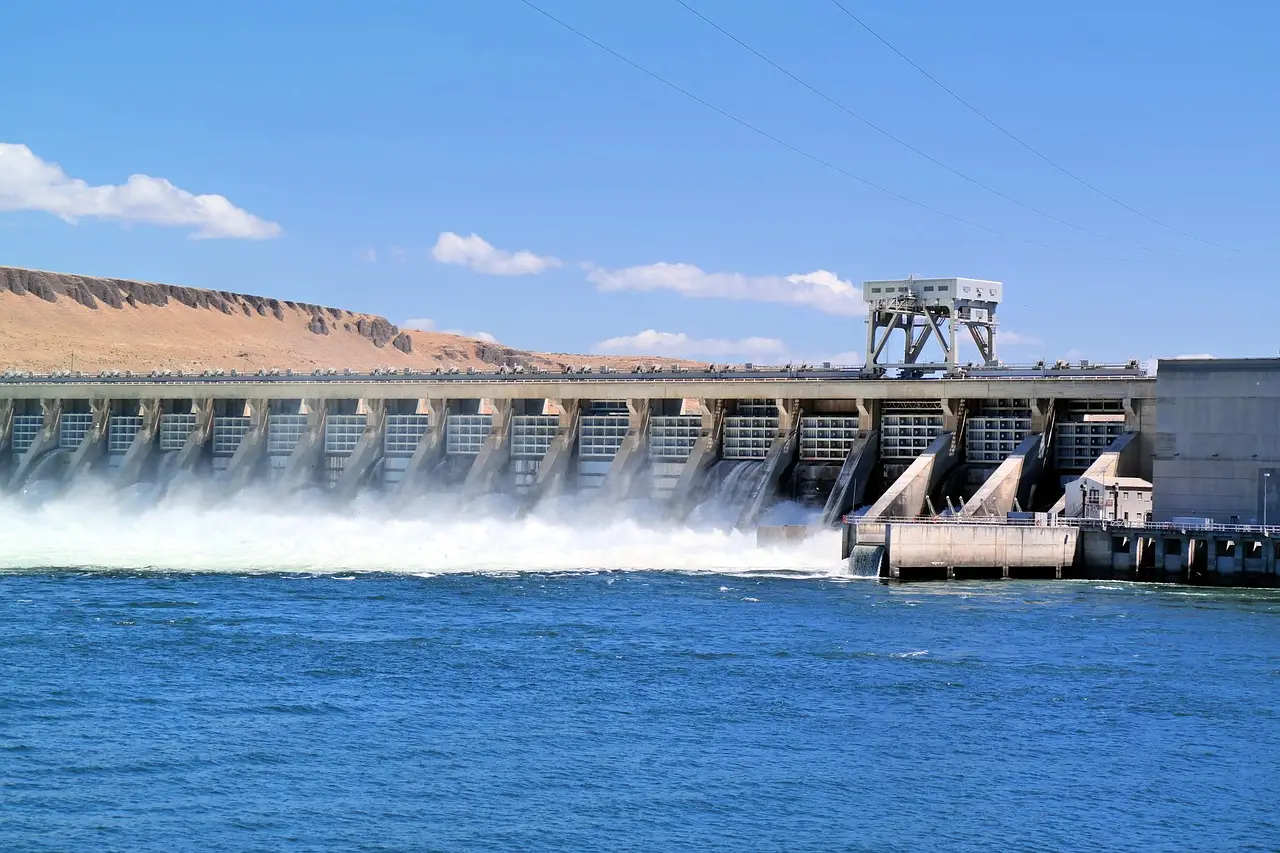
What does the facility actually look like on the water?
The numbers come straight from the docket. The project works include a 184-foot-long, 22.5-foot-high broad-crested concrete gravity dam fitted with nine hydraulically operated steel flashboards — each 6 feet high by 18 feet wide — plus one crest gate of identical dimensions. The impoundment covers 55 surface acres at normal elevation 643.6 feet NGVD 29, holding 500 acre-feet of gross storage.
Water enters through a 3-foot by 40-foot intake with trash racks spaced at 3.5 inches, feeding a 38-foot-high by 88-foot-wide concrete powerhouse. Inside sits a single Kaplan turbine rated at 2,900 kW, operating at an average net head of 28 feet and a maximum hydraulic capacity of 1,565 cubic feet per second. Annual output averages 11.7 GWh. Outflow passes through a 171-foot riprap-lined tailrace back into the Schroon River, and power reaches the grid over a 0.7-mile, 34.5 kV transmission line tied into the Warrensburg Chesterton circuit. The site releases continuous minimum environmental flows and hosts public recreation via a car-top boat launch and 15-vehicle gravel parking area.
In plain terms: this is a compact, single-tunit run-of-river plant whose continued operation now depends on what the agencies say about its intake, flows and fish passage.
Which statutes decide the outcome?
Three levers matter. Section 10(j) of the Federal Power Act, codified at 16 U.S. Code § 803, directs the Commission to incorporate license conditions based on wildlife agency recommendations to protect, mitigate damage to, and enhance fish and wildlife. Section 18 lets the U.S. Fish and Wildlife Service and the National Marine Fisheries Service prescribe mandatory fishways. And in New York, the project still needs a Section 401 Water Quality Certification from the state Department of Environmental Conservation, which sets enforceable thermal, dissolved oxygen and anti-degradation standards.
The Schroon River, a major tributary of the Upper Hudson basin, supports trout habitat, native macroinvertebrate communities and recreational fisheries. Agency biologists will weigh whether run-of-river operation offsets impoundment warming, sediment transport changes and turbine entrainment — and specifically whether the 3.5-inch trash rack spacing adequately excludes resident and migratory fish, or whether seasonal behavioral guidance or physical screen modifications get mandated.
The takeaway: any new license will carry statutory conditions with real engineering consequences for the intake and flow regime.
Why does this docket matter beyond Warren County?
The proceeding is a working case study in small-scale run-of-river relicensing across the northeastern U.S. Department of Energy Hydropower Program research shows existing small hydro plants deliver local carbon-free generation and voltage support, but often need updated environmental engineering to meet current aquatic standards. Relicensing proceedings typically run five to seven years and impose substantial administrative and scientific costs on operators.
The docket also functions as a data trove. Relicensing filings include multi-year streamflow rating curves, continuous water temperature logs and habitat assessments suited to regional watershed modeling — the kind of empirical record agencies will rely on when they craft mitigation requirements.
What happens next?
After the January 25, 2027 comment deadline and the March 9, 2027 reply window close, Commission technical staff will prepare an Environmental Assessment evaluating operational alternatives and cumulative watershed impacts. The resulting licensing order will set the facility's operational and environmental standards for the next 30 to 50 years.
via casrai.org (Source)
More from Daniel Okafor
Show full bio
Correspondent covering companies, deals and strategy in Circular economy and the environmental industry at Circular Wire.
596 articles